
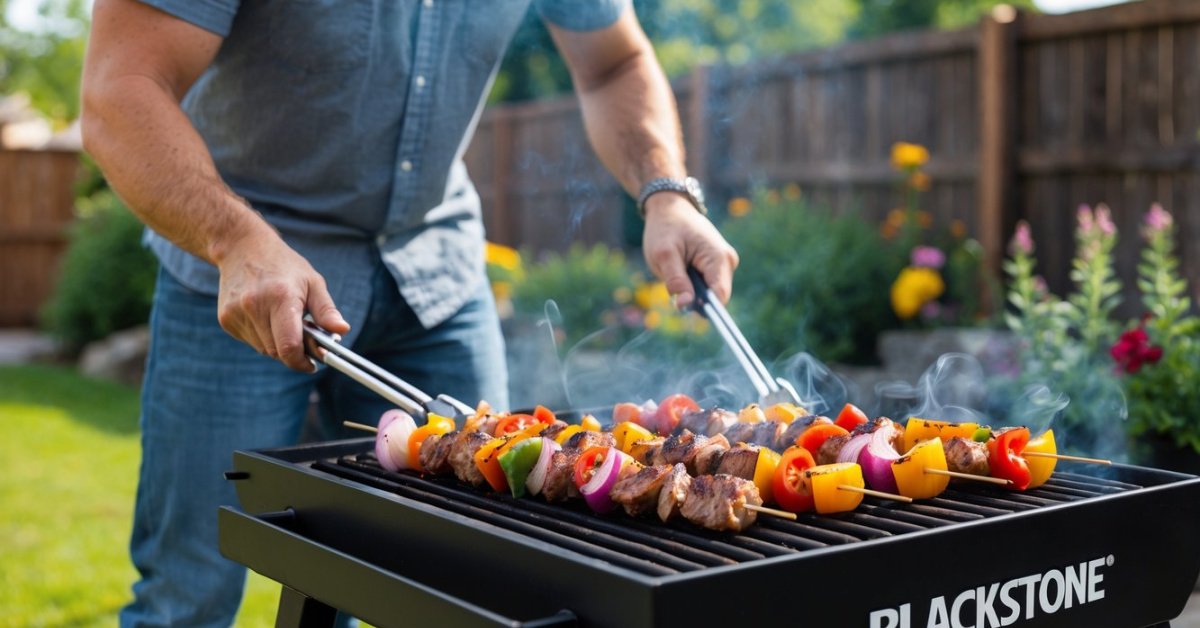
Whenever I fire up the grill I want everything to turn out just right—juicy steaks crispy wings and perfectly cooked burgers. But standing over the flames and constantly checking meat can take the fun out of any backyard barbecue. That’s where technology steps in to make things a whole lot easier.
Wi-Fi thermometers have completely changed how I approach grilling. With a quick glance at my phone I can keep tabs on the temperature without ever leaving my guests or missing a moment of the game. It’s like having a secret grilling assistant that never lets me overcook or undercook anything.
Understanding Wi-Fi Thermometers
Wi-Fi thermometers use wireless sensors and a mobile app to track grill or smoker temperatures in real time. I rely on these tools every time I slow-cook brisket or smoke ribs. Each thermometer connects to my home network, allowing me to monitor everything from my kitchen, backyard, or across town.
Most Wi-Fi thermometers include one or more probes—I’ve tested models with up to six probes—to measure both grill air temp and meat internal temp simultaneously. For example, when I smoked four pork shoulders for a Texas party, I used dedicated probes for each cut and got alerts on my phone about temperature spikes or drops.
Key features define quality Wi-Fi thermometers for serious grilling. Accurate temp readings (within 1-2°F), robust mobile notifications, and long battery life consistently improve my cooking experience. I find app dashboards that display temps in chart or graph formats help me spot issues like cooling during windy days.
Data stored by Wi-Fi thermometers helps me analyze my cooks. Reviewing past temp logs lets me tweak fuel flow on charcoal grills or adjust vent positions. Models with cloud-based data keep my recipes and results accessible for repeat cooks, even if I swap phones.
Setup involves pairing the thermometer to my Wi-Fi and installing the companion app, a process that’s quick on newer devices. I avoid models that require 2.4GHz-only networks unless I check my router settings first.
For anyone passionate about grilling—especially when batch-cooking multiple meats—Wi-Fi thermometers unlock a level of control and flexibility that standard thermometers can’t match.
Key Features of Wi-Fi Thermometers for Grilling
Wi-Fi thermometers bring real convenience and reliable control to outdoor cooking. I depend on these tools every week for both backyard cookouts and long overnight smokes.
Remote Monitoring Capabilities
Remote monitoring allows me to check grill temps from anywhere with Wi-Fi. I view real-time data on my phone, whether I’m prepping sides in the kitchen or chatting with friends out front. Reliable brands, like ThermoWorks Signals and MEATER Plus, support multi-probe setups, letting me track brisket, ribs, and grill surface temps simultaneously. This keeps me from hovering over the grill and lets me actually enjoy the bbq.
Temperature Accuracy and Stability
Temperature accuracy is crucial for perfect results, especially with thick cuts like brisket. My favorite Wi-Fi thermometers maintain ±1.0°F accuracy over long cooks. Probes from FireBoard and ThermoPro maintain stability through sudden lid changes or windy conditions, reducing errors that come with basic models. Stable readings mean no undercooked centers or dried-out edges—something every bbq expert aims for.
Smart Notifications and Alerts
Smart notifications alert me instantly to temp spikes, stalls, or finished cooks. Customizable app alerts mean I get notified if pork shoulder stalls below 180°F or if chicken thighs reach target doneness. This feature has saved multiple racks of ribs from overcooking when I got distracted. The right thermometer, paired with smart alerts, acts like a second set of eyes on the grill—just what I need during busy cooks or while managing several recipes.
Benefits of Using Wi-Fi Thermometers in Modern Grilling
Wi-Fi thermometers offer powerful support in modern BBQ setups. I rely on these tools to ensure results that stay reliable, even when preparing several proteins at once.
Enhancing Precision and Consistency
Wi-Fi thermometers deliver precise temperature readings every time I cook. I consistently see accuracy within ±1.0°F with models like ThermoWorks Signals, even when running long, low-and-slow briskets. Precise temps matter most with large cuts, such as brisket or pork shoulder, where doneness depends on internal temp, not just appearance. I set custom alarm thresholds for different meats—like 203°F for brisket, 145°F for pork loin—and the app notifies me if the grill temperature drifts. This approach keeps my results repeatable, even with variables like wind or ambient temp changes.
Convenience and Time Management
Wi-Fi thermometers simplify my cookouts. I monitor grill and food temps from anywhere on my property using my phone. While slow-smoking ribs, I’ve prepped side dishes or chatted with friends, all while tracking internal temps from the kitchen or patio. Multi-probe setups let me track several cuts—like chicken thighs, ribs, and sausage—all at once. I spend less time hovering over the grill and more time enjoying the gathering. Smart notifications and real-time graphs help me plan rest times and serving windows. This convenience means more social time and less guesswork, even for long cooks on weekends.
Top Wi-Fi Thermometers for Grilling: A Brief Comparison
Testing dozens of Wi-Fi thermometers in my backyard and at events, I’ve found a few options that stand out for grilling reliability and performance. Each model brings specific strengths, from aggressive temperature accuracy to rugged build quality for outdoor BBQ sessions.
| Thermometer | Temp Accuracy | Probes (Qty/Type) | Battery Life | Mobile App Features | My Key Observation |
|---|---|---|---|---|---|
| ThermoWorks Signals | ±1.0°F | 4 / Wired | Up to 16 hours | Graphs, alerts, cloud sync | Industrial-grade feel |
| MEATER Plus | ±1.5°F | 1 / Wireless | Up to 24 hours | Estimated time, cloud, adaptable UI | No wires, seamless rib smoking |
| Inkbird IBT-26S | ±2.0°F | 4 / Wired | Up to 26 hours | Bluetooth+Wi-Fi, temp records | Best battery, budget-friendly |
| Weber Connect Smart Hub | ±1.0°F | 2 / Wired | Up to 12 hours | Step-by-step grill guidance | Ideal for new grillers |
| Yummly Smart Thermometer | ±2.0°F | 1 / Wireless | Up to 25 hours | Guided recipes, doneness predictions | Hassle-free for smaller grills |
- ThermoWorks Signals handles long brisket smokes or multi-protein cooks, with probe capacity and high app integration. I reach for it when precision grilling is mandatory.
- MEATER Plus simplifies wireless grilling with no cords, perfect for rotisserie or tight smoker spaces. I get uninterrupted cook data from inside or even at the neighbors.
- Inkbird IBT-26S offers affordable monitoring for big gatherings. Four probes and strong battery life suit busy weekends.
- Weber Connect Smart Hub guides newer BBQ fans through cooks step-by-step, easy for anyone wanting hands-off notifications alongside their Weber grill.
- Yummly Smart Thermometer fits in smaller setups, offering wireless simplicity and recipe walk-throughs, especially for chicken, fish, or pork.
Test factors like connectivity range, probe count, and user interface can change which thermometer I grab for any session. I enjoy leveraging the flexibility these Wi-Fi grilling thermometers deliver, whether running a backyard BBQ or experimenting with Texas-style brisket.
Tips for Maximizing the Use of Wi-Fi Thermometers
- Place Probes Correctly
I insert the probe tip into the thickest part of the meat, avoiding bones and fat pockets, since accurate internal readings drive the best results. For brisket, I target the flat’s center, while chicken gets the probe deep in the breast.
- Use Multiple Probes
I track both grill and meat temps by using at least two probes. During a Texas-style barbecue, I monitor air temp at grate level alongside the thickest cut, which keeps both environmental and food conditions dialed in.
- Set Custom Alerts
I adjust alert thresholds for each meat type and desired doneness. My brisket settings use a target of 203°F, with a low alarm at 195°F to catch temperature stalls early for timely wrap decisions.
- Keep the App Updated
I install app updates for every Wi-Fi thermometer to ensure access to the latest features and bug fixes. New software often adds custom graphs or improved notifications, which makes the cook smoother.
- Monitor Battery and Wi-Fi Signal
I keep the thermometer’s battery charged before long cooks, especially overnight smokes. My grilling setup also stays within strong Wi-Fi range so the connection’s stable, since drops could impact temperature alerts.
- Review Graphs and Logs
I analyze time-temp graphs post-cook to troubleshoot stalls, identify hot spots, and refine future sessions. Reviewing brisket curve data, for example, helped me adjust for better bark next time.
- Clean Probes After Each Use
I wipe down probes right after every grilling session to prevent buildup, since residue impacts accuracy and longevity. My routine ensures each probe lasts through dozens of Texas briskets and pork butts.
- Pair with Manual Checks
I double-check with an instant-read thermometer at finish, especially on thick roasts or poultry, for precise spot verification—even top Wi-Fi models benefit from this extra step.
These strategies, tested over years of grilling—from food cart days to backyard BBQs—maximize Wi-Fi thermometer results and enhance every cookout.
Conclusion
Grilling has become so much more enjoyable for me since I started using Wi-Fi thermometers. I can focus on friends and family without worrying about missing the perfect moment to pull the meat off the grill.
With the right tools and a little know-how it’s easy to get consistent results and stress less during cookouts. For anyone who loves grilling as much as I do Wi-Fi thermometers are a total game-changer.


