
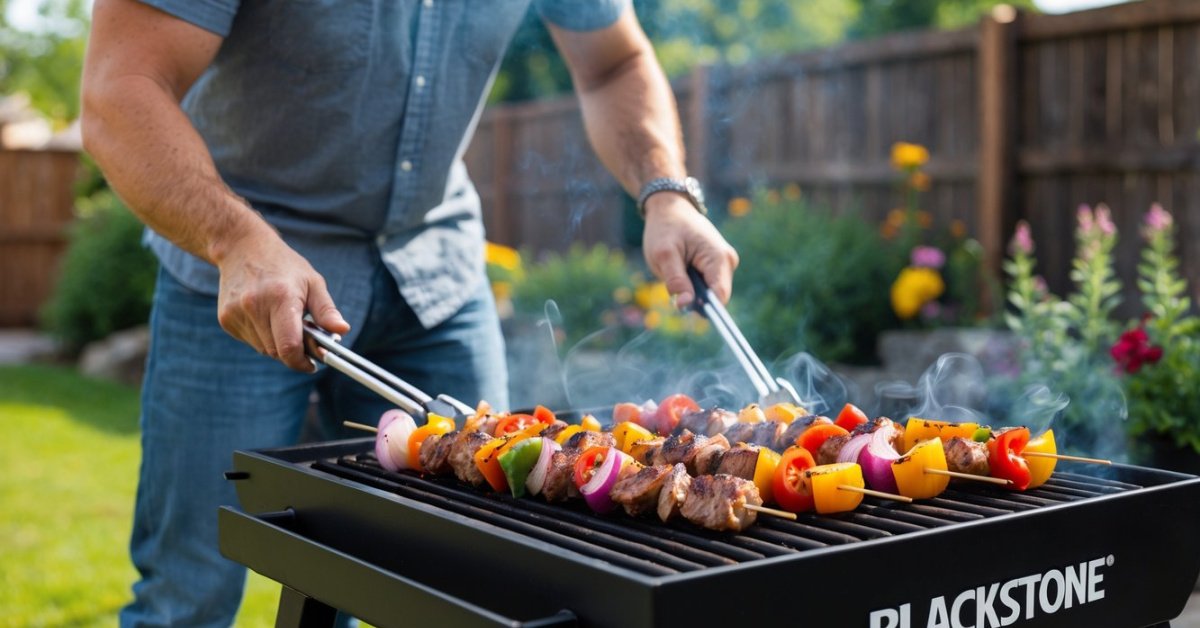
I love the rich flavor that comes from smoking meat right in my backyard. But getting that perfect smoky taste isn’t just about the wood or the cut of meat—it’s also about keeping a close eye on the temperature. That’s where a good thermometer and a smoker box come into play.
When I first started using a smoker box, I quickly realized that guessing the temperature just doesn’t cut it. Using a thermometer helps me make sure everything cooks evenly and turns out juicy every time. With a few simple tips, I found it’s easy to get the most out of both tools and take my barbecue to the next level.
Choosing the Right Thermometer for a Smoker Box
Reliable temperature readings make a massive difference when using a smoker box. I’ve spent years trying out different grill thermometers in all sorts of set-ups, so I know that finding the right one boosts both consistency and results.
Types of Thermometers to Consider
Digital probe thermometers track temperature inside the meat without opening the lid. For example, brands like ThermoWorks and MEATER offer accurate wireless options for smoker boxes. Instant-read thermometers give rapid temperature checks, which works if you’re grilling thin cuts but isn’t great for monitoring low-and-slow barbecue. Analog dial thermometers stick into the smoker itself but usually aren’t as precise, especially after a few uses. Remote thermometers stream data to a handheld receiver or an app, letting me keep an eye on temps from anywhere nearby.
Features to Look For
Probe accuracy helps ensure meats hit target temps. Most digital models rate accuracy within ±1.8°F/1°C, according to the USDA. Heat resistance matters—probes rated for up to 700°F, like those from ThermoPro, last much longer. Wireless range on Bluetooth options runs from 100–300 ft, letting me tend to sides or guests without hovering over the pit. Backlit displays, timers, and easy-clean cables save time and effort during overnight cooks or after the smoke clears. Multiprobe setups let me track several meats or different smoker zones at once, which is game-changing during a crowded cookout.
Proper Placement of the Thermometer
Correct thermometer placement makes a major difference in controlling temperature inside a smoker box. I always line up my thermometer and smoker box to ensure temperature readings actually reflect where the meat cooks.
Internal vs. External Placement
Placing a thermometer inside the cooking chamber, about 1–2 inches from the food, tracks the temperature right where the meat sits. I get far more accurate readings inside the chamber than I ever did using a simple built-in dome thermometer on the outside of the lid. External thermometers, like dome models, often measure air high above the grate, which usually runs 15–30°F cooler or hotter than right at grate level where the magic happens.
If I’m monitoring a thick brisket or pork shoulder, I use a probe thermometer inserted through the side of the smoker or through a silicone grommet. Probes have to avoid bone or fat pockets for consistent readings. For overall smoker temp, I stick my thermometer clip onto the cooking grate, positioning it right next to the protein.
Avoiding Hot Spots and Cold Zones
Proper thermometer placement requires avoiding hot spots or cold zones inside the smoker box. I test various areas on the grill by spacing thermometers across the cooking surface, then noting which parts run hotter or colder. Cast iron smoker boxes near heat sources, for example, often generate hotter pockets—up to 40°F difference in some sections compared to the center.
I always set my primary thermometer on the section of the grate where the thickest part of the meat rests, roughly away from open flames, vents, or smoker walls. Consistent thermometer readings require placing the probe in a spot that reflects the average cooking environment, not just the hottest or coolest point. This method keeps my barbecue even and predictable, batch after batch.
Tips for Accurate Temperature Readings
Getting precise temperature readings inside a smoker box takes a little technique. I’ve tested dozens of grilling thermometers on brisket, ribs, and even smoked turkey. A few straightforward habits can make every session more consistent.
Preheating and Calibration
Preheating and calibrating your thermometer ensures you start with accurate readings. I always let my smoker box preheat fully before inserting any thermometer. Preheating helps the box reach a steady environment so you measure true cooking temperatures.
Calibration checks the accuracy of your thermometer. I dip my probes into ice water (32°F/0°C) and boiling water (212°F/100°C, adjusted for altitude) every few weeks, based on USDA and CDC thermometer safety guidance. If the reading’s off, I recalibrate or swap the unit. Reliable readings start with good calibration.
Monitoring Temperature Fluctuations
Monitoring temperature swings inside a smoker box keeps the cook on track. I position probe thermometers near the meat, not next to the heat source, so I track the real cooking environment. When I see a 10°F (about 5°C) spike or drop, I check my fuel or airflow settings.
Tracking and recording readings every hour highlights trends. For long cooks, like pork shoulder or brisket, that helps spot patterns—steep dips often mean a fuel or vent issue. Stable readings keep my smoked dishes consistent, no matter the recipe.
Maintaining and Cleaning Your Thermometer
A well-maintained thermometer ensures dependable readings during every barbecue session. I keep my grilling thermometers clean and store them properly between cooks so they last longer and stay accurate.
Cleaning After Use
I clean my thermometer immediately after each use. For digital probes, I wipe down the probe stem with a damp cloth, then sanitize it using mild dish soap or diluted vinegar if it’s had contact with meat juices. I avoid submerging digital heads or displays since moisture can damage electronics. On analog models, I remove debris using a damp, non-abrasive sponge. I never use harsh chemicals or steel wool—these can scratch or corrode the metal surface, affecting temperature accuracy. For tough buildup, I soak only the metal probe section in warm soapy water for a few minutes, then wipe dry. Regular cleaning eliminates residue that can skew temperature readings in future grilling sessions.
Storage and Longevity Tips
I store thermometers in a dry, cool place away from direct sunlight. I keep digital thermometers with removable probes separated, coiling cables loosely to avoid kinks. I remove batteries before storing them for long periods to prevent corrosion inside the device. For analog thermometers, I place them in a protective sleeve or wrap them in a soft cloth to prevent scratches. I check calibration every few months using ice water or boiling water tests, especially if the thermometer has seen heavy use or has been dropped. Storing and handling grilling thermometers carefully keeps them accurate for years and helps prevent costly replacements.
Common Mistakes to Avoid When Using a Thermometer with a Smoker Box
- Placing the Thermometer Too Far from the Meat
Placing a grilling thermometer too far from the meat results in inaccurate readings. I always make sure to insert the probe close to the thickest part of the protein, like brisket or pork shoulder, since air temp doesn’t match internal meat temp.
- Forgetting to Preheat the Smoker Box
Preheating the smoker box stabilizes temperature and prevents false readings. If I skip warming up the smoker with the lid closed for at least 15-20 minutes, the thermometer may show a lower or spiking temperature as the box warms up.
- Ignoring Hot Spots and Cold Zones
Ignoring grill hot spots causes uneven cooking. I check multiple zones with my thermometer—when I only test one area, sections like the back corners sometimes end up ten to twenty degrees off, causing undercooked or overcooked barbecue.
- Not Calibrating the Thermometer
Skipping calibration leads to unreliable temp readings. I dunk my probe in ice water or boiling water at least once a month—especially before big cooks—to ensure accurate results and prevent surprises.
- Leaving Thermometer Probes Dirty
Leaving residue on probes creates bad readings and damages sensors. I always clean probes right after use with damp towels or alcohol wipes, since grease and burnt bits reduce accuracy by several degrees.
- Letting Probe Wires Pinch or Touch Hot Metal
Letting wires dangle onto hot grates melts insulation and creates signal errors. I watch wire placement, using clips or tucking leads away from direct heat, since even a brief touch against a metal edge can kill a probe.
- Not Monitoring Battery Life
Dead or weak batteries disrupt digital thermometer readings. I keep spare batteries on hand and check the charge before long smoking sessions—running out mid-cook leads to frustration every single time.
- Trusting Dome Thermometer Readings Alone
Relying only on dome or lid thermometers misleads pitmasters. My experience shows these thermometers often show air temp far above or below meat level, so I avoid using them as my sole guide.
- Using Thermometers Not Designed for High Heat
Using low-grade kitchen thermometers in smoker boxes leads to melting or sudden sensor failure. For grilling, I pick models labeled for high heat and grilling use, since kitchen thermometers aren’t built for pit temps above 400°F.
- Failing to Test and Record Temperature Variations
Not noting temp changes during the cook means missing airflow or fuel issues. I jot down temps every 30-60 minutes, spotting trends like sudden drops from open lids or flare-ups if I don’t, which affects my final results every time.
Conclusion
Mastering temperature control with a smoker box and the right thermometer has completely changed the way I barbecue. It’s amazing how a few simple habits can make such a big difference in flavor and consistency.
I love knowing my smoked dishes will turn out just the way I want every time. If you take care of your tools and pay attention to the details, you’ll enjoy barbecue that’s both delicious and stress-free. Happy smoking!


