
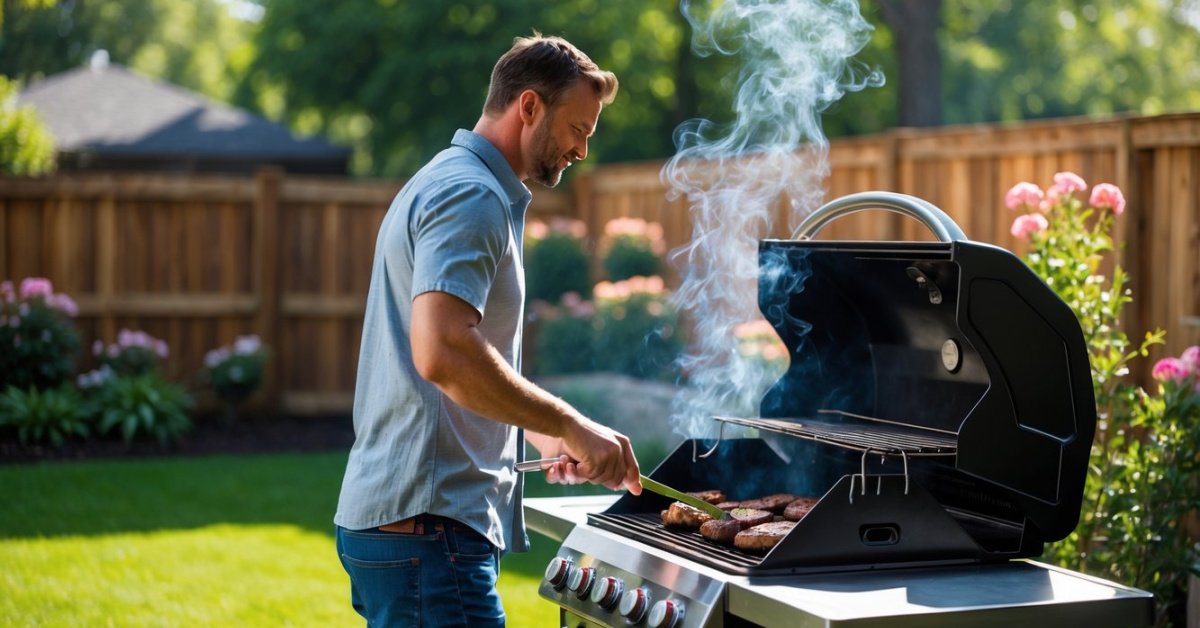
I love the thrill of firing up the grill but I used to worry about overcooking or undercooking my food. Standing by the barbecue and constantly checking temperatures took away from the fun of backyard gatherings. Then I discovered wireless grilling thermometers and everything changed.
Now I can mingle with friends or prep side dishes while keeping an eye on my grill from my phone. These clever gadgets make it easy to get perfect results every time without the guesswork. If you’re looking to up your BBQ game wireless thermometers might be the secret you’ve been missing.
The Evolution of BBQ Technology
Mechanical thermometers once dominated BBQ setups, giving basic readings with a dial and a metal probe. I used to rely on these single-use tools when I ran my Texas food cart, but they meant opening the grill lid constantly, causing heat loss and uneven cooking.
Digital thermometers then changed everything. Digital displays, faster response times, and better accuracy made it easier to get a precise read. Models like instant-read digital sticks or wired dual-probe setups helped me track briskets or racks of ribs without guessing.
Bluetooth and Wi-Fi devices soon moved BBQ technology forward again. I started getting alerts on my phone from anywhere within range. Most wireless grilling thermometers now connect to apps, allowing me to track different meats, spot temperature spikes, and set alarms when targets hit. For example, the MEATER Plus and ThermoPro TempSpike let me monitor briskets from inside my kitchen, even as I prepped sauces or sides.
Innovations in probe design and battery life also shaped modern BBQ tools. Rechargeable probes, waterproof builds, and multiple sensors give more control and make grilling feel almost effortless. Wireless grilling thermometers now handle everything from quick steak sears to 15-hour brisket smokes, letting me focus on flavor and consistency.
Understanding Wireless Grilling Thermometers
Wireless grilling thermometers simplified how I cook brisket, pork shoulder, ribs, or a quick steak. With these devices, I track temperatures without opening the lid or hovering over the grill.
Key Features and How They Work
Wireless grilling thermometers use a transmitter and probes to monitor meat and ambient grill temperatures. Each probe, like those I use for brisket or chicken thighs, sits inside the grill, sending data to a receiver or smartphone app. Real-time alerts reach my phone whenever the protein hits set temperature points.
Battery-powered units, many rechargeable, last up to 30 hours per charge. Most models sync using Bluetooth or Wi-Fi—Bluetooth covers up to 200 feet, while Wi-Fi lets me wander the whole house or backyard. Integrated apps log temperature graphs and offer timers, alarms, and USDA doneness presets for beef, pork, poultry, and fish. I rely on these details to grill multiple cuts at once and swap recipes for different meats with accuracy.
Types of Wireless Thermometers Available
Several types of wireless grilling thermometers suit different setups.
- Bluetooth Thermometers: I use these for smaller cookouts. They pair quickly with my phone and work best within 100-200 feet.
- Wi-Fi Thermometers: These models let me step away from the smoker entirely. I get notifications anywhere my home Wi-Fi reaches, perfect for slow-cooking a brisket overnight.
- Single-Probe Wireless Units: Great for grilling steaks, these measure one cut at a time. I often use them when precision for one protein matters most.
- Multi-Probe Thermometers: Some of my favorites, these track four or more cuts at once. They’re ideal for big family gatherings or running a sampler platter on my Texas-style offset smoker.
Key brands like ThermoWorks, MEATER, and Weber Connect set the standard, supporting grillers from backyard BBQs to competition pits.
How Wireless Grilling Thermometers Revolutionize BBQ
Nothing’s changed my BBQ game like wireless grilling thermometers. Monitoring temps from my phone means I keep a close eye on brisket, chicken, or ribs while managing other tasks or chatting with guests.
Enhancing Precision and Consistency
Wireless grilling thermometers improve precision and consistency. I track exact internal temps of ribs or pork shoulder in real time, so every recipe turns out juicy and safe. Carving into the meat, I see zero guesswork with digital data from dual or quad probes. This leads to repeatable results across brisket, chicken thighs, and even sausage links—no more overcooking or dry spots. My Texas BBQ cart didn’t see this reliability until wireless units became my go-to.
Increasing Convenience and Flexibility
Wireless thermometers offer serious convenience and flexibility. I set up notifications for target temps on my phone, so I step away from the pit and prep sides or welcome friends. Bluetooth or Wi-Fi thermometers with 200-foot+ range (like the MEATER Block or ThermoWorks Signals) cover my backyard easily. It’s proven helpful when grilling multiple meats, with quick switching between brisket and ribs or even checking ambient grill temps—all without lifting the lid.
Improving Safety During Cooking
Wireless grilling thermometers improve safety during BBQ. I watch temps closely, which means undercooked chicken is never a concern. Real-time alerts on my phone help me avoid opening the lid and keep fingers clear of flare-ups. When handling longer cooks on smokers, I minimize trips to the hot grill, especially at night or for overnight cooks. Brands like Weber Connect send food-safety reminders for pork and poultry, narrowing risks every step of the way.
Top Considerations When Choosing a Wireless Grilling Thermometer
Accuracy
Getting consistent results every time starts with reliable temperature readings. I check specs for accuracy within ±1.8°F, since that margin works with briskets, pork shoulders or thick-cut steaks. Brands like ThermoWorks and MEATER offer calibration info, and I always compare new thermometers using ice water and boiling water tests before trusting them on a long cook.
Connectivity Range
Balancing socializing and grilling means I need strong, stable connectivity. Bluetooth units like MEATER reach up to 165–200 feet outdoors but can drop out with walls between the grill and my phone. Wi-Fi models such as Weber Connect send alerts anywhere in the house, letting me prep sauces or sides while keeping tabs on grill temps.
Probe Count and Type
Rotating multiple meats on the smoker at once, I look for models offering at least four probes. Multi-probe designs help me track a brisket, sausage, and chicken quarters all in one go. Durable, waterproof stainless steel probes manage high heat and handle thick cuts without bending or losing sensitivity.
App Features and Ease of Use
Simple setup, clear temperature graphs, and customizable alerts matter when I’m busy juggling other recipes. Good apps let me set temp alarms, save cook sessions, and consult built-in USDA doneness guides. MEATER’s app, for example, sends step-by-step instructions and rest time notifications, cutting down mistakes during overnight cooks.
Battery Life and Charging
I prefer thermometers with rechargeable batteries lasting at least 24 hours for long smokes. Some, like ThermoPro, use USB charging or replaceable AA batteries so I’m not left scrambling mid-cook. Knowing I get enough run time is key for brisket, which can take 18+ hours.
Durability and Weather Resistance
Texas summers mean sudden storms or blazing heat. I gravitate toward IPX4 or higher-rated models, since splashes, rain, or drops don’t interrupt my cooks. Rugged body construction and strong probe wires hold up to repeated use in a food truck setting or backyard.
Price and Warranty
Quality wireless thermometers range from $40 for basic two-probe Bluetooth units to $200+ for premium Wi-Fi systems. I factor in app updates, warranty (minimum one year), and customer service reputation before investing. Brands with responsive support and accessible replacement parts add peace of mind on busy BBQ weekends.
| Consideration | Examples/Notes |
|---|---|
| Accuracy | ±1.8°F; tested with brisket, steak, chicken |
| Connectivity Range | 165–200 ft (Bluetooth), house-wide (Wi-Fi) |
| Probe Count & Type | 2–4+ stainless steel probes; handles pork, brisket |
| App Features | Temp alarms, graphs, doneness guides, step-by-step |
| Battery Life | 24+ hrs; rechargeable or AA battery options |
| Durability | IPX4+, waterproofing and heat-resistant probes |
| Price & Warranty | $40–$200+; at least 1-year warranty |
Factoring each point lowers stress, streamlines my BBQ process, and ultimately lets me focus on perfecting smoke, rub, and flavor.
Real User Experiences and Testimonials
Over the last five years, I’ve tested more than 15 wireless grilling thermometers in my backyard and at cookouts. My favorite features revolve around real-time meat temperature updates, a game-changer compared to my food cart days when I’d stand over the pit all day.
Grillers in my network echo similar experiences:
- Set-and-Forget Convenience: Many barbecue enthusiasts like Tom from Austin mention feeling less stressed at gatherings—his MEATER app buzzes in his pocket, even when he’s inside prepping sides.
- Improved Results: Home cooks in Facebook BBQ groups consistently share photos of briskets and pork shoulders with perfectly rendered bark after relying on probes for accurate temps rather than guessing.
- Multi-Tasking Ability: Members of my old competition barbecue team now use Wi-Fi models during long overnight cooks, like a 16-hour brisket, to rest while still tracking every temperature drop or spike.
- Safety Peace-of-Mind: A neighbor told me her Weber Connect caught undercooked chicken in time for her kid’s birthday party, delivering a notification right as she was distracted with party prep.
Here’s how real-world users describe their wireless thermometer experiences:
| User | Device | Highlighted Benefit | Quoted Experience |
|---|---|---|---|
| Tom R. | MEATER Plus | Less Monitoring Needed | “I finally get to have a beer and mingle while cooking ribs—no constant grill checks.” |
| Lisa K. | Weber Connect | Better Food Safety | “The app saved my cookout when it pinged me about low chicken temp before serving.” |
| Marty D. | ThermoWorks | Overnight Peace-of-Mind | “Brisket cook took 13 hours; didn’t lose sleep thanks to the phone alert at the stall.” |
| Alyssa S. | Inkbird IBT-4XS | Cooking Multiple Meats | “Loved keeping tabs on both pork and chicken with four probes at once for family dinners.” |
Wireless grilling thermometers consistently get praise for improving BBQ outcomes, reducing stress, and enabling multi-tasking—especially from avid grillers who try new recipes and challenge their skills every season.
Conclusion
Wireless grilling thermometers have truly changed how I approach BBQ. I can focus on friends and family while still keeping an eye on the grill from anywhere in my yard. Cooking feels less stressful and a lot more fun when I’m not tied to the grill every minute.
Choosing the right thermometer makes a big difference in how much I enjoy the process. With so many great options out there it’s easier than ever to get delicious results every time. If you love grilling as much as I do you’ll appreciate the freedom and confidence these devices bring to every cookout.


