
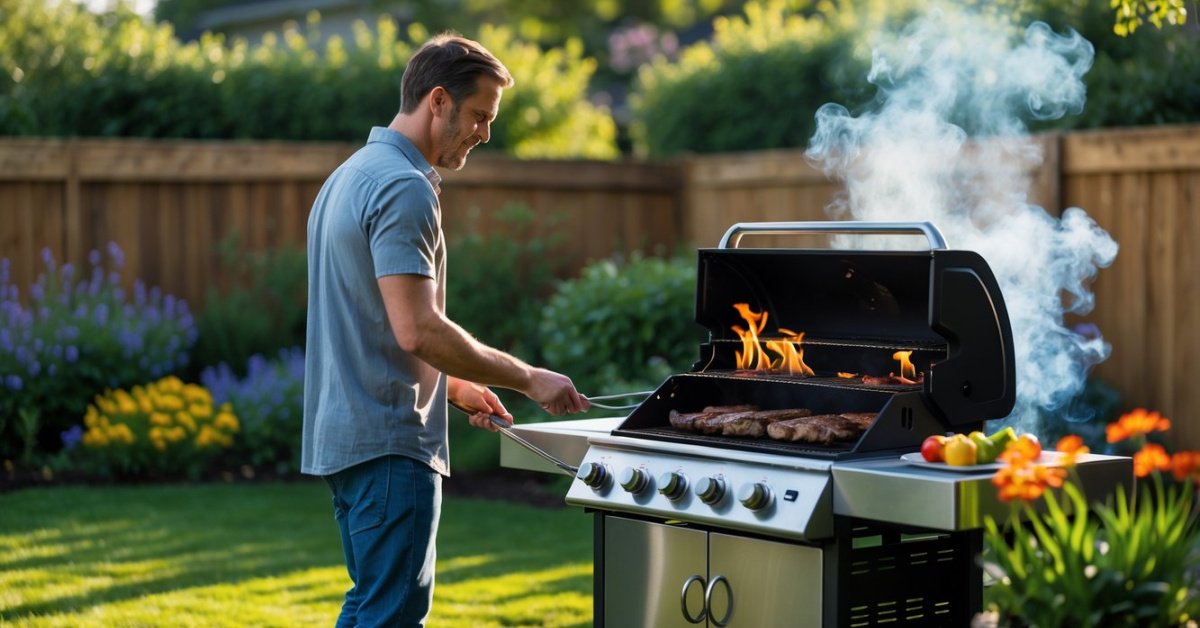
Nothing beats the smoky flavor of food cooked over a charcoal grill, but nailing the perfect doneness can be tricky. I’ve had my fair share of undercooked chicken and overdone steaks before I learned how much a good thermometer can help. It’s a game-changer for anyone who wants to grill with confidence and serve up delicious results every time.
Using a thermometer with a charcoal grill might seem simple, but there are a few tips and tricks that make all the difference. Whether I’m grilling burgers for a backyard party or slow-cooking ribs for the family, I always rely on my thermometer to take out the guesswork. Let me share what I’ve learned so you can master your grill and impress your guests with every meal.
Choosing the Right Thermometer for a Charcoal Grill
I know from countless hours behind my old Texas bbq cart that picking the right thermometer changes everything on a charcoal grill. A good thermometer gives control over your fire and the doneness of everything from brisket to burgers.
Types of Grill Thermometers
Thermocouple digital probes show accurate readings fast, usually within 2 to 3 seconds. I use them for thick cuts like brisket and pork shoulder.
Instant-read digital thermometers offer quick single-point checks. I rely on these for quick-checking steaks, chicken thighs, or sausages.
Analog dial thermometers stick out from the grill lid. I only use them to monitor general grill temperature, not meat, since they read a few inches above the grate.
Wireless remote probes let me track temps without hovering over the grill. These work best for all-day cooks, like smoked ribs or turkey, and often have alarms for temp ranges.
Features to Look For
Temperature range covers the needed spectrum for grilling and smoking. I look for models that read at least from 32°F to 572°F (0°C to 300°C).
Accuracy matters most. I make sure thermometers have accuracy of ±1.8°F (±1°C) according to manufacturer tests, cited by food safety sources like the USDA.
Speed makes a difference during high-heat grilling. My go-to instant-read models display results in 2 to 5 seconds.
Probe length keeps hands safe from the heat. I choose probes at least 4 to 5 inches long for good reach on a hot grill.
Backlit displays help read temps at dusk or night. I test these often during evening cooks.
Wireless connectivity like Bluetooth or Wi-Fi lets me track cooks from farther away, useful during parties or long smoke sessions.
Water resistance prevents damage during messy cooks or cleaning. I’ve had more than one thermometer die from sauce splashes before switching to waterproof models.
Preparing Your Charcoal Grill for Accurate Temperature Readings
An accurately prepared grill sets the stage for the perfect barbecue. When I’m aiming for precise results, checking my setup before every cook gives me repeatable, reliable temperatures.
Placement of the Thermometer
Placing the thermometer properly on your charcoal grill makes accurate readings possible. I mount lid thermometers level with or slightly above the grill grate because that’s where most food sits. For probe thermometers, I insert the tip into the thickest part of the meat and keep it away from bone or fat, which can skew the reading. When measuring ambient grill temperature, I position the probe near the food but not directly over the coals to avoid hot spot distortion. Consistency counts—I always use the same spots to compare cooks and build trust in my gear.
Calibrating Your Thermometer
Calibrating the thermometer ensures I get dependable readings every session. I test digital and analog thermometers using the ice water and boiling water methods. For ice water, I fill a glass with crushed ice, add water, and let my probe sit submerged for 30 seconds. The thermometer should read 32°F. For boiling water, I place the probe in rapidly boiling water, expecting 212°F at sea level (the temperature drops slightly at higher elevations). If the thermometer reads differently, I adjust it following the manufacturer’s instructions or note the variance and mentally correct my readings while I grill. Regular calibration checks keep my confidence high and my barbecue consistent.
Essential Tips for Using a Thermometer with a Charcoal Grill
Getting great results with a charcoal grill depends on using your thermometer correctly. I picked up these key tips from years running my BBQ cart and testing thermometers on racks of ribs, briskets, and everything in between.
Monitoring Ambient vs. Food Temperature
Tracking both the grill’s environment and each cut’s core temp keeps grilling outcomes consistent. I always place one probe at grate level to check the real cooking zone, since the built-in lid thermometer reads hotter than where food sits. I use a second probe deep in the thickest part of the meat—like the middle of a brisket or chicken thigh—avoiding bones and fat pockets for accuracy.
Managing Grill Vents and Temperature Zones
Adjusting airflow controls heat inside a charcoal grill. I watch my thermometer’s ambient probe while tweaking the bottom and top vents. Small vent movements can shift grill temps by 25–50°F, especially on hot days. For two-zone cooking, I build my coal pile on one side, creating a hotter and cooler area, and track both spots with separate probes. This setup helps me sear steaks over high heat, then finish them gently over indirect heat, all while keeping tabs on temp changes.
Avoiding Common Mistakes
Using a thermometer with a charcoal grill gets simple with careful habits. I always insert the probe before moving the meat to avoid burns. Probes not pushed far enough yield underdone centers—for thick ribs, I measure from the side for best results. I never leave digital instant-read thermometers over the coals, since most models list max temps under 500°F and can get damaged. Routine calibration, plus checking batteries before every cookout, keeps every reading reliable.
Cleaning and Maintaining Your Grill Thermometer
Regular cleaning keeps my grill thermometers reliable. I clean digital probe thermometers before and after each use, wiping down the probe with a cloth dampened with warm soapy water. I keep water away from the digital display and never submerge electronic probes to avoid damage.
Analog dial thermometers outside the lid get a quick wipe with a damp cloth after each cook. Occasionally, I remove the dial using a wrench and give the stem a thorough scrubbing to remove soot or grease buildup.
If I spot residue that doesn’t come off right away, I use isopropyl alcohol or a stainless steel-safe cleaner for stubborn spots. I dry each part completely before reinserting the probe or thermometer into the grill.
For wireless remote probes, I always check the manufacturer’s instructions because some aren’t waterproof. I clean only the metal probe with a wet cloth and avoid getting the transmitter or wire connectors wet.
For storage, I keep probes in their protective cases whenever I’m not grilling, stopping any damage or corrosion between cookouts. I store thermometers in a dry, shaded place, never leaving them outside or exposed to moisture.
Routine maintenance goes beyond cleaning. I calibrate every thermometer monthly, using the ice water and boiling water methods I’ve described earlier. I check for battery corrosion and replace batteries every grilling season.
Proper care ensures every reading I take remains accurate, letting me focus on flavor, not uncertainty.
Conclusion
Grilling with a charcoal grill can be both fun and rewarding when you’ve got the right thermometer and know how to use it. I’ve found that a little attention to detail goes a long way in boosting my confidence and helping me serve up meals I’m proud of.
With a bit of practice and the right habits you’ll soon find that grilling becomes less stressful and a lot more enjoyable. Here’s to more delicious and perfectly cooked food at your next cookout!


