
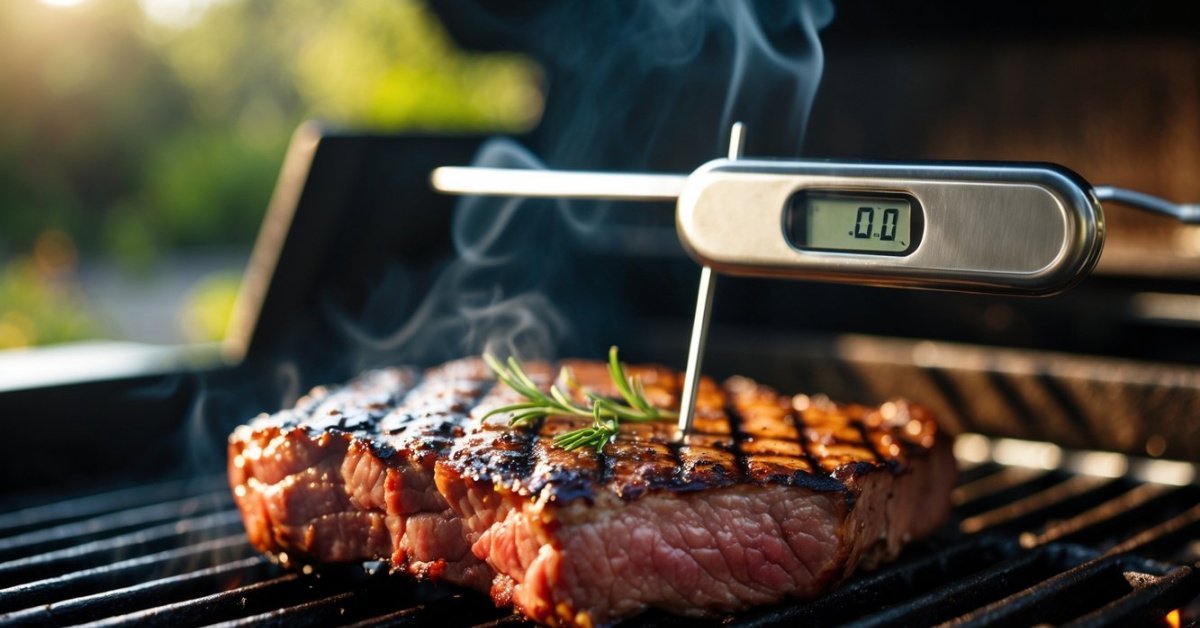
When I fire up the grill I want everything to turn out just right. That means keeping an eye on the temperature and for years dial thermometers have been the go-to tool for backyard cooks like me. They’re simple easy to use and don’t need batteries—just stick one in and get a quick read.
But with all the new digital gadgets out there I sometimes wonder if my trusty dial thermometer is still up to the task. Technology promises speed and precision yet something about the classic dial feels dependable. So is it time to upgrade or does the old-school tool still have a place by the grill?
What Are Dial Thermometers?
Dial thermometers use a simple analog design to measure temperature in grilling and BBQ. I see a round face on top showing the temp with a spinning needle—examples include the oven-safe models stuck through the lid of charcoal grills or the handheld probe kind for checking brisket doneness. Inside, a metal probe reacts to heat, making the needle move. No batteries or wires come into play.
Accuracy varies between models, but I’ve found most analog faces show the temp in Fahrenheit, sometimes Celsius, directly on the dial for quick glances. Markings highlight target ranges for beef, pork, poultry. The built-in dial on popular grills—like Weber Kettle or offset smokers—shows grill air temp, not the meat’s inside temp.
Most dial thermometers work by sticking them through thick cuts or into the grill’s dome vent. Cleaning them is easy—just a quick wipe-down with soapy water. Mechanical parts make them long-lasting, which explains why so many old-school pitmasters in Texas (where I ran my food cart) prefer them for BBQ marathons.
How Dial Thermometers Work
Dial thermometers use a mechanical system to sense and display temperature changes right on a simple analog face. Over years of grilling, I’ve tested these on everything from brisket to chicken, so I can break down what makes them tick and why some pitmasters still trust them.
Key Components and Mechanism
Dial thermometers use bi-metallic coils or springs, built from two metals that expand at different rates. When heat reaches the probe, these metals twist or coil, driving the dial’s needle to indicate the temperature. I often spot a round face ranging 120°F to 600°F, with bold markings for common BBQ temps—perfect for long cooks.
The face and bezel usually come in stainless steel, which resists heat and rust in outdoor grills. Most models I’ve installed thread right into grill lids through a stem, so the probe sits directly in the cooking chamber. When I check meat, some handheld dial thermometers feature a sharp probe to quickly measure internal doneness by stabbing into the thickest part.
Types of Dial Thermometers for Grilling
Grill lid dials attach through the dome or hood for continuous chamber temperature—like what I use for brisket or ribs. Handheld probe dials, sometimes called instant-read, measure food temp in seconds, great for steaks or burgers. Oven-safe meat dial thermometers, another variety, stay in roasts or turkeys during the entire cook, with faces that sit outside for easy checks.
Specialty models exist for high-heat setups like pizza ovens, sporting higher temperature ranges. Combo dial-and-digital units combine analog reliability with digital readouts, though pure analog dials never need batteries—a real plus if you’re grilling at a remote campsite.
Many classic models display both Fahrenheit and Celsius and often include USDA or pitmaster-recommended “doneness zones” printed directly on the face. Across all types, these thermometers share that tough analog reliability that’s made them grilling staples for decades.
Advantages of Using Dial Thermometers for Grilling
Using dial thermometers for grilling offers several strengths rooted in proven analog design and real-world reliability.
- Mechanical Reliability in Grilling Environments
Dial thermometers withstand smoky, greasy, and high-heat grill setups, including Weber charcoal lids or barrel smokers. I never worry about dead batteries or error messages mid-cook.
- Simple, Instant Readout with Analog Faces
Analog faces let me check temps at a glance, no matter the sunlight, splatter, or grease on my fingertips. Every pitmaster I’ve met trusts the bold, continuous needle for clear meat doneness or grill zone readings.
- No Battery or Electronics Maintenance
I keep my classic dial probe in my BBQ toolkit and it survives years of cookouts without charging or software glitches. Even when I left one outside on a rainy night, it was ready for brisket the next morning.
- Dependable Performance Across All Meats
Dial thermometers remain accurate over the long term, provided I calibrate with boiling water or ice from time to time. Mine handle steaks, ribs, poultry, and roasts—including unconventional low-and-slow sessions.
- Quick Cleaning and Rugged Stainless Build
I clean these thermometers by wiping the stainless probe and face, withstanding grill brushes or the occasional drop on concrete. Heavy-duty bezels resist dents, surviving the abuse of commercial BBQ carts and backyard gatherings alike.
- Clear Indicator Markings for Common Grilling Ranges
Markings on the dial—like “rare,” “medium,” and “well”—help anyone cooking different meats or cuts. For example, the dial on my offset smoker lid shows safe poultry and pork zones, keeping cooks grounded in proper food safety.
These benefits anchor dial thermometers in daily grilling routines, especially when consistency, ruggedness, and ease of use matter most to me and the pitmasters I grill with.
Common Limitations of Dial Thermometers
- Lag in readout response
Dial thermometers use bi-metal coil movement, which means temperature response isn’t instant. I often see a lag of 20 to 60 seconds when checking meat or dome temps, especially after large swings from opening the grill.
- Restricted accuracy range
Most dial thermometers claim ±5°F accuracy, but I find actual error can reach up to ±15°F, based on grill placement and calibration. Prolonged use in direct flame often skews readings. When aiming for perfect medium-rare or delicate fish, this presents a problem.
- Calibration drift over time
I’ve noticed dials lose accuracy after repeated heating and cooling cycles. Without regular calibration using boiling water or ice baths, even the best models begin to display noticeable offsets in their readouts.
- Limited visibility in low light
Dial faces usually lack any form of backlighting or glow. During night cooks or heavy smoke, it’s tough to read small needle positions or printed ranges. Handheld flashlights only help so much around a busy grill area.
- No precise target or alert feature
Most models rely on visual assessment. If I get distracted, there’s no audible or digital alert to warn me when temps reach dangerous or target zones, unlike digital thermometers.
- Susceptibility to user error
Placement greatly affects dial thermometer readings. Probe tips not properly inserted in the thickest part of the meat or installed too high or low on the grill can underestimate or overestimate true food temperature.
- Durability concerns in extreme conditions
Glass faces sometimes crack from thermal shock or rough cleaning. Moisture can fog or rust internal coils, causing the needle to stick or misread, especially in humid climates or after washdowns.
| Limitation | Detail/Impact |
|---|---|
| Lag in readout | 20–60 seconds delay after temp change |
| Restricted accuracy range | ±5°F–±15°F error possible with use or misplacement |
| Calibration drift | Loses accuracy without regular calibration checks |
| Limited visibility | Difficult to read in low light, lacks backlighting |
| No alert feature | No audible or digital warning on temp changes |
| User error susceptibility | Readings affected by improper placement/probing |
| Durability issues | Crack, fog, rust can compromise reliability |
Comparing Dial Thermometers to Digital Thermometers
Comparing dial thermometers to digital thermometers for grilling reveals key differences in accuracy, response time, and day-to-day usability. I’ve put both types through countless BBQ sessions, from brisket in my old Texas food cart to weekly backyard cookouts.
Accuracy and Response Time
Dial thermometers use bi-metallic mechanical components, so their accuracy often falls within ±15°F, especially after many uses or if knocked out of calibration. When checking temps, I’ve seen dial models like classic oven-safe probes take 20 to 60 seconds for the needle to move and stabilize. This lag often makes it tough to nail the precise finish for thin steaks or fast-cooking seafood.
Digital thermometers rely on electronic sensors, which typically detect temperatures with an error margin as tight as ±2°F to ±3°F according to FoodSafety.gov guidelines. Instant-read digitals, such as the ThermoWorks Thermapen or Lavatools Javelin, display stable readings in under 5 seconds. These fast updates help when I’m managing multiple cuts or need to make quick decisions while smoking ribs or poultry.
Temperature Accuracy and Speed Comparison
| Thermometer Type | Typical Accuracy | Typical Response Time |
|---|---|---|
| Dial | ±10°F to ±15°F | 20–60 seconds |
| Digital | ±2°F to ±3°F | 2–5 seconds |
Ease of Use and Maintenance
Handling dial thermometers on the grill means keeping a close eye on a round face that sometimes fogs up or becomes hard to read at dusk. I can toss most dial models in the dishwasher or scrub them clean in seconds, and I’ve never had to hunt for batteries. Calibration sometimes means adjusting a screw or ice-bath testing to restore accuracy, but it’s simple and infrequent with quality brands.
Digital thermometers usually have clear LCDs or backlights for night cooks, and some models sound alarms at temperature targets, which is especially handy for overnight brisket sessions. Most digital designs wipe clean and feature removable probes or waterproof bodies, but battery changes and the risk of water damage or electronic failure add extra consideration. Advanced models save recent readings or integrate with smartphones, adding convenience if I’m tracking several dishes.
Using both types, I find dial thermometers excel in simplicity and mechanical dependability, especially for slower cooks or smokers. Digital models shine when speed, precision, and features like timers or alerts matter, such as with reverse-seared steaks or delicate fish.
Practical Tips for Grilling With Dial Thermometers
- Calibrate the Thermometer Regularly
Calibration ensures that a dial thermometer measures grill and food temperatures accurately. I immerse the probe in ice water (32°F) or boiling water (212°F at sea level) and adjust the calibration nut until the needle matches the expected value. I repeat this every month or whenever accuracy seems off, especially after dropping the thermometer.
- Position the Probe Strategically
Correct probe placement gives a dial thermometer the best shot at accurate readings. I insert the probe deep into the thickest part of the meat, avoiding bones and fat pockets that distort temperature, and keep the sensing area fully inside the food. For ambient grill temperature, I clip the dial near the grate, away from direct flames or the grill wall.
- Read the Needle After Waiting
Dial thermometers need at least 20 seconds to catch up to the food’s real temperature, sometimes taking up to a full minute. I hold the needle steady and watch for it to stop before making decisions. Quick checks give false low readings, so I plan ahead and wait, especially on thicker cuts like brisket or bone-in pork shoulder.
- Clean Thoroughly After Every Use
Regular cleaning keeps a dial thermometer working properly. I wipe off protein drippings with a damp cloth, scrub the probe with soapy water, and dry completely before storing. Accumulated grease or food residue causes inaccuracy over time.
- Monitor for Damage and Fogging
Dial thermometers with cracked faces, bent needles, or condensation under the lens lose reliability fast. I inspect mine after every grilling session and replace them if the face fogs or the calibration won’t hold, especially after big temperature swings or drops.
- Use Meat Temperature Charts
Meat temperature charts make dial thermometers more useful by setting straightforward targets. I keep USDA-safe temperature charts nearby and watch for pork at 145°F, chicken at 165°F, and brisket tenderness around 203°F. Markings on some dials help, but verified charts give clearer guidance.
- Supplement With Touch for Final Checks
Sometimes, when the readout seems off or the food feels ready, I confirm doneness using touch tests I’ve learned through years behind my Texas BBQ cart. A little springiness or a certain jiggle often means the dial thermometer reading matches reality.
- Protect From Extreme Heat Surges
Dial thermometers last longer when kept away from flare-ups and direct flames. I use indirect heat zones for resting the probe, extending the tool’s life and keeping mechanical components in good shape.
Are Dial Thermometers Still a Good Choice for Grilling?
I still find dial thermometers valuable for grilling, especially with traditional barbecue methods. When I’m slow-cooking brisket over wood or charcoal, dial thermometers handle intense smoke and high heat with steady performance. Their mechanical build keeps working even after years of backyard sessions. For example, models like Tel-Tru BQ300 and Weber Premium show reliable results after weekend after weekend on offset smokers.
I rely on dial thermometers for visual monitoring, particularly during long, unattended cooks. They show chamber temperatures at a glance without fiddling with settings or batteries. This simplicity means fewer distractions when managing airflow or adding fuel. I appreciate that I can check temps with a quick look, especially during big events or tailgates.
I notice dial thermometers suit indirect grilling and smoking better than fast, direct grilling. They excel in pork shoulder or ribs where small swings in temp aren’t critical and there’s time to let the needle rise. When grilling thin steaks or chops, however, the slower readout and ±10°F to ±15°F variance make instant digital thermometers more practical.
I recommend dial thermometers for anyone starting out or restoring classic grills where digital upgrades seem out of place. They’re also practical as backups; during busy holiday cooks, I trust a dial thermometer to keep tracking temps if my digital fails or its batteries run down.
I recognize the limitations, especially for critical tasks. For reverse-searing a tomahawk steak or timing fish fillets, I grab a digital probe for fast precision. In low light or on crowded grates, dial faces aren’t as easy to read as modern displays, but for all-day brisket or pork butt cooks, their steady presence brings peace of mind.
I keep a calibrated dial thermometer on every smoker, using them alongside digitals. This hybrid approach covers all grilling styles and ensures accurate, consistent results regardless of recipe or grill type.
Conclusion
I still find a certain charm in reaching for my old dial thermometer when I’m setting up for a long smoke or a relaxed barbecue afternoon. There’s something satisfying about that simple needle slowly climbing as the grill heats up. While digital tools have their place for speed and precision I think there’s plenty of room for both in my grilling toolkit.
At the end of the day it’s all about what works best for you and your style. Whether you love the nostalgia of analog or the convenience of digital there’s no wrong way to keep your grill game strong.


