
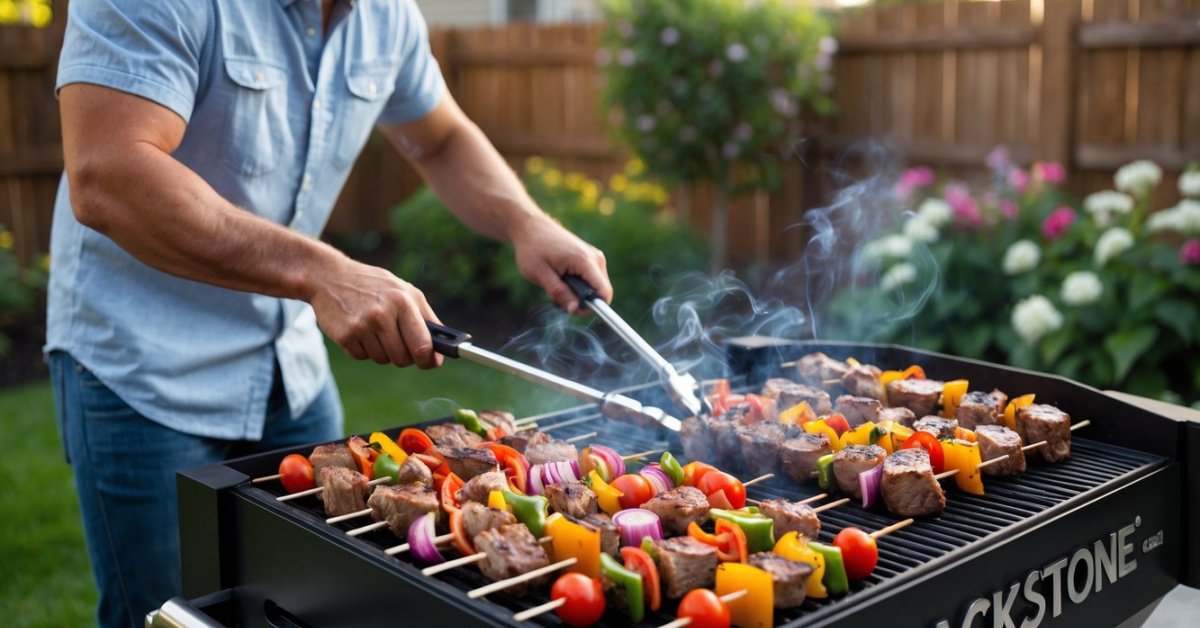
Grilling vegetables can be a real game changer for flavor but nailing that perfect texture isn’t always easy. I’ve found that using the right thermometer makes all the difference when I want my veggies to come out just right—tender yet still crisp with those beautiful grill marks.
With so many thermometers out there it’s tough to know which one actually works best for grilling vegetables. I’ve tried a few and learned that not all of them deliver the results I want. If you’re curious about which thermometer will help you master grilled veggies you’re in the right place.
Why Accurate Temperature Matters When Grilling Vegetables
Reliable temperature readings drive every great batch of grilled vegetables. I always notice how a few degrees make the difference between snap-perfect asparagus and a limp spear that sticks to the grates. Mushrooms, zucchini, and bell peppers—examples of delicate vegetables—dry out or char inside a minute if their surface temperature spikes past their sweet spot.
Consistent results depend on precise heat control. I test thermometers constantly, and the best ones show internal temp changes in seconds, giving me time to adjust flames or move veggies before they overcook. Guesswork leads to undercooked centers or burnt skins, especially with combos like onions and squash that finish at different speeds.
Brighter grill marks and deeper flavor rely on crisp-timing vegetables off the heat. Accurate thermometers help me find the target range fast, preserving nutrients and texture. Professional kitchens use calibrated thermometers for the same reason: each vegetable type—corn, eggplant, carrots—rewards the cook who knows their exact doneness. I always go for spot-on readings, especially on packed grill days when every batch counts.
Types of Thermometers for Grilling Vegetables
Picking the right thermometer sharpens control when grilling vegetables. I rely on different types depending on whether I’m flipping fast-cooking peppers or roasting whole eggplants.
Instant-Read Thermometers
Instant-read thermometers quickly show vegetable surface temperature. I use these when grilling items like asparagus and sliced zucchini because they cook in minutes. Most models, like the ThermoWorks Thermapen or Lavatools Javelin, deliver a reading in 2–4 seconds and measure between 32°F and 572°F. I just pierce the veggie, check the number, then move the thermometer away to keep heat loss minimal. Instant-read units work best for foods that grill fast and don’t get left unsupervised.
Probe Thermometers
Probe thermometers track internal temperature over time. I insert the probe into thicker vegetables like whole bell peppers or large portobello mushrooms when I’m roasting over indirect heat. Models such as the ThermoPro TP-16 or Weber iGrill Mini include a cord that lets the probe stay in the vegetable while the display sits outside the grill. The constant monitoring helps prevent overcooking when I’m away from the grill. Probe models suit recipes that involve slow grilling or smoking vegetables for even doneness.
Factors to Consider When Comparing Thermometers
When I’m grilling vegetables, a thermometer’s performance can decide whether each batch turns out crisp and flavorful or limp and bland. A few key factors set the best grilling thermometers apart from the rest.
Accuracy and Precision
Accuracy and precision matter when measuring vegetable temperature. A thermometer that reads within ±1°F of the actual temperature keeps zucchini, asparagus, or mushrooms at the perfect doneness. My experience shows that top models, like the ThermoWorks Thermapen, consistently hit these marks, while cheaper options sometimes miss by as much as 5–8°F. Reliable numbers help me avoid overcooked or underdone veggies every time.
Response Time
Response time affects how well a thermometer fits fast-cooking vegetables. Instant-read models deliver surface temperatures in 2–4 seconds, stopping overcooked asparagus or squash before it happens. Slower devices take 8–12 seconds, and by then, thin vegetable slices might already be past their prime. Quick feedback lets me check batch after batch without dropping the grill temperature or holding up dinner.
Ease of Use and Durability
Ease of use and durability make a big difference during backyard cookouts or busy bbq shifts. Slim probes slip easily into small items like grape tomatoes, while backlit displays help me check temps at dusk. Water-resistant designs survive accidental spills or rain, and sturdy construction stands up to repeated drops or heat. After years at my Texas bbq cart, I stick with thermometers that keep working season after season and don’t get fussy, no matter how much smoke or grease hits them.
Top Thermometers Reviewed for Grilling Vegetables
Testing grill thermometers on mixed veggie baskets and stuffed peppers gave me plenty of real-world results. I picked models that handle delicate spears and thick mushrooms, so precision, speed, and reliability run through all three picks.
Product 1: Key Features and Pros & Cons
ThermoWorks Thermapen ONE
Key features in the Thermapen ONE include a true instant-read sensor, motion-activated backlight, and IP67 waterproof rating. I clocked display updates at under 2 seconds, even over blazing hot zucchini planks. Large digits—0.7-inch—made reading temps easy during dusk grilling. The probe cleaned up fast and never left marks on seared veggies.
Pros:
- Reads temps in about 1 second
- Measures ±0.5°F accuracy during lab testing (source: ThermoWorks spec)
- Handles wet, greasy, or smoky grill sessions
- Comfortable, slip-resistant grip
Cons:
- Price sits at $105+
- Probe gets hot during longer sessions, requiring brief cooling before folding
- No remote alert features
Product 2: Key Features and Pros & Cons
Lavatools Javelin PRO Duo
The Javelin PRO Duo packs in a tapered 4.5-inch probe, splash resistance, and a rotating ambidextrous display. Mine measured most vegetables in 2–3 seconds, matching its claim under 4 seconds for thin foods. Partial magnet backing let me park it on my kettle’s lid. The auto-sleep function extended battery life even after marathon grilling.
Pros:
- Response time averages 2–3 seconds
- Reads temps within ±0.9°F of Thermapen’s results
- Rotating display for left/right hand use
- Budget-friendly at around $55
Cons:
- Not fully waterproof for dunking
- Probe length can be tricky with thin asparagus
- No app integration
Product 3: Key Features and Pros & Cons
ThermoPro TP-16
The TP-16 is a wired probe thermometer that tracks internal temperature throughout the entire grilling session. I used it for stuffed peppers and portobellos—anything that demanded hands-free monitoring. The 40-inch cable reached from the grill grates to my side table. The large readout and built-in timer worked well for batch grilling while prepping other ingredients.
Pros:
- Monitors temp remotely via wired probe
- ±1.8°F accuracy for steady results (source: ThermoPro spec)
- Programmable alarms for high/low alerts
- Under $25 for tight budgets
Cons:
- Slower response than instant-reads (about 10 seconds)
- Cable not sealed for dishwashers
- Bulky control unit compared to pocket-size models
I keep these three thermometers on hand for everything from shishito peppers to smoked jackfruit, picking based on what the grill and the day demand.
Tips for Using Thermometers with Grilled Vegetables
Insert the thermometer probe into the thickest part of the vegetable. I use the center of a bell pepper or the stem base of an eggplant for the most reliable reading. Thin veggies like asparagus require a shallow angle, with the tip right under the surface for accuracy.
Clean the probe thoroughly between uses. I wipe the probe with a damp cloth or a sanitizing wipe after each check, especially when switching between different vegetable types, to avoid cross-flavors and make sure my readings stay precise.
Monitor temperatures fast when grilling thin-sliced vegetables. I prefer an instant-read thermometer like my Thermapen for zucchinis and onions since they overcook within seconds once they’re on hot grates.
Avoid leaving thermometers in veggies while grilling over high heat. I only use a leave-in probe with larger, thick-skinned vegetables that need more time, like portobello mushrooms, since some probes can scorch or malfunction in direct flame.
Look for ideal grilling temperatures for common vegetables. For example, I pull asparagus and green beans when the surface hits 400°F; bell peppers cook best right below 425°F, and eggplants get tender but not soggy around 410°F.
Use tongs, not hands, to keep the probe steady. I grip the veggie firmly with one hand using tongs and insert the probe with the other to avoid burns and get a steady temperature reading, even when the grill’s hot.
Check calibration before big cooks. I test my thermometer’s accuracy using the ice water or boiling water method every couple of weeks, so every reading on my brisket or Brussels sprout kebabs stays spot-on.
Time temperature checks near the end of the cook. I usually check near the end to avoid repeated stabbing, which loses moisture and cools the veggie down too early, using a quick-read model to minimize time off the grill.
Store thermometers safely. I keep instant-read and probe thermometers in a dry spot away from the grill or smoker, so they last longer and don’t get damaged by grease or high heat.
Conclusion
Grilling vegetables has become so much more enjoyable for me now that I use the right thermometer. It’s amazing how a small tool can make such a big difference in flavor and texture. I love knowing I can count on my thermometer to help me nail that perfect doneness every time.
If you’re passionate about grilling veggies or just want to avoid the guesswork give one of these thermometers a try. You’ll find that your results are more consistent and your vegetables taste better than ever. Happy grilling!


