
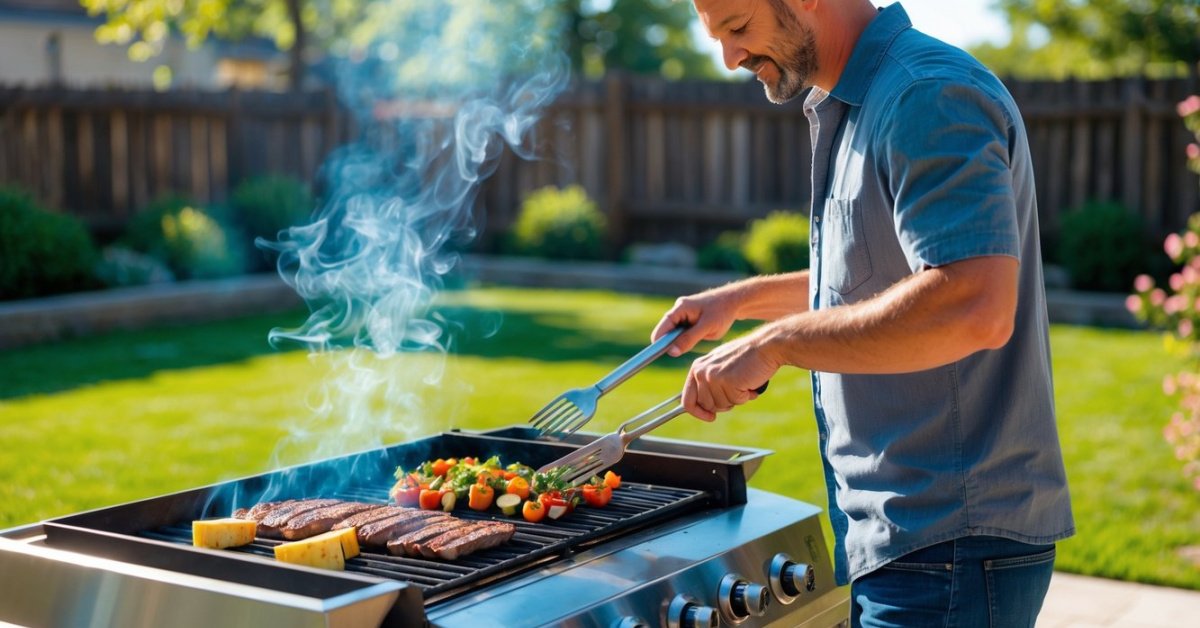
When I fire up the grill, I love tossing on fresh vegetables like zucchini. There’s something about those smoky grill marks and tender bites that makes summer meals extra special. But I’ve learned that getting perfectly grilled veggies isn’t just about slicing and flipping—it’s all about the right temperature.
If you’ve ever ended up with soggy slices or charred edges, you’re not alone. I’ve been there too and discovered that a little know-how goes a long way. With a few simple temperature tips, grilling zucchini and other veggies can be easy and delicious every single time.
Why Grill Vegetables Like Zucchini?
Grilling vegetables like zucchini brings out natural sugars and deepens flavor, unlike raw or steamed prep. I get crisp edges, smoky undertones, and tender centers by managing grill temperature precisely. When I ran my Texas bbq food cart, customers loved grilled zucchini for its texture—the perfect blend of char and juiciness.
Quick cook veggies like zucchini benefit from careful temp control since high heat sears the outside fast and locks in moisture. By using a grilling thermometer, I keep the temp consistent and avoid soggy or burnt slices. Zucchini’s mild taste pairs well with mesquite, hickory, or apple wood chips; grilling locks in smokiness for a more complex bite.
Versatile, low-calorie, and nutrient-rich, zucchini works well for gluten-free sides, keto recipes, and vegan grilling platters. When I test thermometers on zucchini, I look for fast readouts and reliable accuracy since even slight temp shifts affect the finish. Grilling veggies like zucchini creates colorful, healthy plates at any bbq, especially with reliable gear in my hand.
Choosing the Right Vegetables for Grilling
Zucchini, bell peppers, and eggplant give consistent grilling results thanks to their firm textures. I include zucchini slices, red bell pepper strips, and thick eggplant rounds in most of my grill tests to monitor thermometer accuracy. Mushrooms, asparagus, and onions grill well with the right prep. I cut portobello caps, whole asparagus spears, and large onion rings to maximize caramelization without overcooking.
High-moisture veggies like tomatoes or summer squash grill successfully if I use indirect heat and a reliable thermometer. I avoid delicate greens or small-cut vegetables unless skewered, since these dry out or fall through grill grates. Thick-cut root vegetables—carrots, potatoes, and beets—work for direct grilling if I parboil them first, using my thermometer to check the grill’s heat.
I pair vegetables with similar grilling times and sizes for even results. I focus on shape, water content, and firmness to select the right vegetables, since each of these affects texture and heat retention on the grill. Every grilling thermometer I test helps keep the perfect temp, whether I’m charring zucchini planks or caramelizing sweet onions.
Preparing Zucchini and Other Vegetables for the Grill
Prepping vegetables like zucchini before grilling helps lock in flavor and maintain the right texture. Selecting the right cuts and using just enough marinade makes them grill-ready and keeps grilling temps consistent.
Slicing and Marinating Tips
Slicing vegetables for grilling works best when thickness is even. I cut zucchini and eggplant into 1/4-inch planks or rounds for predictable doneness. Bell peppers grill evenly when halved with seeds removed. Thicker slices, like for portobellos, benefit from a longer grill time. If I’m grilling cherry tomatoes, I skewer them to prevent slipping through grates.
Marinating vegetables adds moisture and seasons them without masking natural flavors. I coat zucchini in olive oil, salt, pepper, and lemon juice 15-30 minutes before grilling. For firmer veggies like onions and carrots, a quick marinade with balsamic vinegar softens edges. Over-marinating zucchini adds excess moisture, leading to soggy slices, so I avoid soaking them for more than 30 minutes. Using a brush, I reapply oil if slices start sticking on the grill, helping my thermometer catch accurate air temps.
Importance of Seasoning
Seasoning vegetables before grilling forms a flavorful crust and draws out their moisture for better texture. I generously sprinkle kosher salt, ground pepper, and smoked paprika on both sides of sliced zucchini before they hit the grill. Adding fresh herbs like thyme to the marinade builds subtle depth.
Salt does more than flavor; it helps my thermometer keep each slice cooking at the ideal temperature by allowing moisture to evaporate evenly. Garlic powder, cayenne, or za’atar complement zucchini’s mild taste and pair well with most BBQ recipes. I finish with a sprinkle of flake salt after grilling while the veggies are still hot so flavors pop.
Grilling Vegetables Like Zucchini: Temperature Tips
Grilling vegetables like zucchini becomes effortless with the right temperature control. I rely on precise heat and a reliable grilling thermometer to consistently get crisp exteriors with tender centers.
Ideal Grill Temperatures
Grilling vegetables like zucchini requires a medium-high grill temperature between 375°F and 425°F (190°C and 220°C). I use my grilling thermometer to check that the grates stay in this range. At 400°F, sliced zucchini gets seared marks and an even cook in under 6 minutes per side. Firm vegetables—examples include bell peppers and eggplant—cook best in the same temperature window. For extra-soft vegetables, like tomatoes, I aim for the lower end of this spectrum.
| Vegetable | Ideal Grill Temp (°F) | Cook Time (min) |
|---|---|---|
| Zucchini | 375–425 | 5–6 per side |
| Bell Pepper | 375–425 | 8–10 total |
| Eggplant | 375–425 | 4–5 per side |
| Tomato (whole) | 375 | 6–8 total |
Direct vs. Indirect Heat Techniques
Cooking vegetables like zucchini directly over the heat gives strong char and fast caramelization. I use direct heat for zucchini planks and thick-cut eggplant, flipping with tongs for even results. With high-moisture vegetables, like summer squash or tomatoes, I switch to indirect heat—moving them to cooler grill zones. Indirect heat prevents burning and lets interiors soften. When grilling mixed vegetables, I align firmer slices over direct heat and delicate ones over indirect zones, using my thermometer to monitor surface temperature across the grate.
Common Temperature Mistakes to Avoid
Relying on visual cues alone often leads to soggy zucchini or bitter, burnt edges. I always use a grilling thermometer to check grate temperature before adding vegetables. Crowding vegetables on the grill drops the heat, resulting in steaming instead of searing. I space slices at least 1/2 inch apart. Fluctuating grill temperature, often caused by frequent lid lifting, leads to inconsistent texture. I keep the lid closed and monitor with a digital probe thermometer for stable heat. Using too high heat scorches exteriors before interiors cook—so I avoid open flames or flare-ups near my veggies.
Achieving Perfect Texture and Flavor
Getting the right texture and flavor from grilled vegetables like zucchini depends on accurate temperature control and the right timing. I rely on grilling thermometers every time, whether I’m cooking zucchini planks or testing new BBQ recipes.
Timing and Doneness Cues
Timing delivers perfect grilled zucchini and other vegetables. I flip zucchini slices when clear grill marks appear, usually after 3–4 minutes on a 400°F grill. Bell peppers show wrinkling and slight blistering around the edges when they’re done, which usually happens after 5–7 minutes. Eggplant slices soften but stay intact with light char marks, often taking 8–10 minutes. My thermometers help me confirm the grill holds steady; for zucchini, I look for flesh that’s tender to a fork but not mushy.
Avoiding Overcooking or Burning
Preventing overcooked or burnt vegetables starts with constant heat monitoring. I check grill temperature before adding veggies, aiming for that 375–425°F sweet spot. Any time the grill gets hotter, I move vegetables to a cooler zone. Thin-sliced zucchini or peppers need more attention, since quick flare-ups can blacken them fast. I use my thermometer to double-check surface temps and keep an eye on color changes to pull vegetables off at peak tenderness, never letting them char beyond the first signs of caramelization.
Serving Suggestions and Finishing Touches
Pairing grilled vegetables like zucchini with fresh sides highlights their smoky flavor. I often plate zucchini slices beside grilled corn, charred onion wedges, and a scoop of herbed quinoa for a balanced BBQ spread.
Sprinkling finishing touches enhances grilled vegetable texture and taste. I dust zucchini planks with freshly chopped basil or parsley, then drizzle a squeeze of lemon juice for brightness. Flaky salt and cracked black pepper add pops of flavor without overpowering the veggies’ natural sweetness.
Topping grilled vegetables creates crowd-pleasing presentation. I layer grilled feta, pine nuts, or a spoonful of chimichurri over zucchini and eggplant for added richness and crunch. For extra depth, I use smoked paprika or a splash of balsamic glaze before serving.
Arranging grilled vegetables on a platter gives the meal a colorful, inviting look. I stagger sliced zucchini and bell peppers in overlapping rows, finishing with a light olive oil brush to boost sheen and preserve warmth.
Serving charts help match vegetables to sauces and proteins, optimizing each plate:
| Grilled Vegetable | Suggested Garnish | Pairing Protein | Recommended Sauce |
|---|---|---|---|
| Zucchini | Basil, lemon | Smoked chicken | Chimichurri |
| Bell pepper | Feta, parsley | Texas sausage | Romesco |
| Eggplant | Pine nuts, mint | Grilled flank steak | Balsamic glaze |
Using these serving ideas ensures grilled vegetables shine at any BBQ, no matter which thermometer you choose for the grill.
Conclusion
Grilling vegetables like zucchini is one of my favorite ways to bring out their best flavors and textures. With a little attention to temperature and technique you can turn simple veggies into a highlight of any cookout.
I love experimenting with different wood chips seasonings and garnishes to keep things fresh and exciting. Whether you’re a seasoned griller or just getting started these temperature tips can help you serve up vegetables that everyone will remember.


