
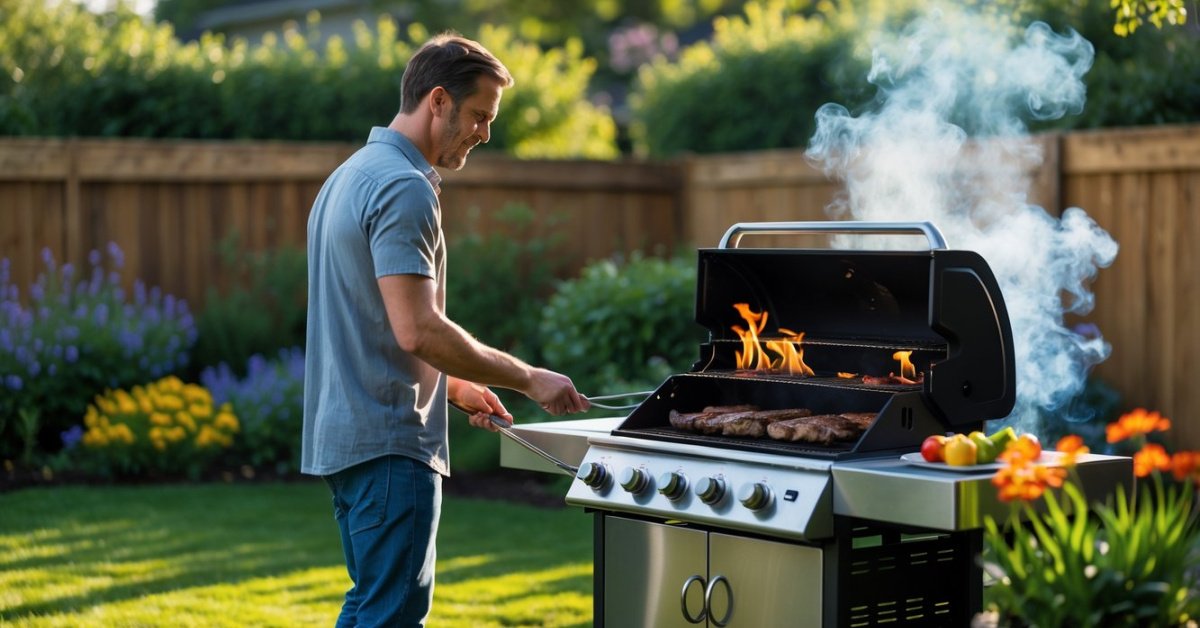
Grilling tuna steaks always feels a bit like a special occasion to me. There’s something about those thick, beautiful cuts sizzling on the grill that just begs for perfect timing. I used to worry about overcooking them or serving them too rare but then I discovered how much easier things get with a good thermometer.
Knowing exactly when your tuna steak hits the right temperature makes all the difference. It takes out the guesswork and helps me serve up juicy flavorful fish every time. If you want to impress your guests—or just treat yourself—you’ll want to master this simple tool too.
Why Temperature Matters for Grilling Tuna Steaks
Accurate temperature control makes a big difference when grilling tuna steaks. Tuna dries out fast if overdone and stays raw inside if undercooked, creating an unpleasant texture. Thickness varies from steak to steak—I’ve seen fillets range from 3/4 to 2 inches—which shifts internal cooking times by minutes. Relying on color alone doesn’t offer a precise guide since sear marks form before the inside reaches its target.
Correct doneness boosts both safety and taste. The FDA lists 145°F as the minimum safe internal temp for fish, but most chefs, including me, go for 110°F to 130°F for medium-rare tuna. This keeps the center rosy and the outside nicely crusted. Only a thermometer shows exactly when you’ve hit that sweet spot.
Core temperature consistency matters most on high heat, especially when experimenting with thicker or thinner cuts. I use instant-read probes to watch the progress without breaking up the meat. Missing just a few degrees, especially on a hot grill, can mean the difference between moist, restaurant-quality tuna and a steak that’s dry or chewy.
Choosing the Right Thermometer for Grilling
Choosing the right thermometer for grilling tuna steaks ensures each cut gets cooked to the perfect temperature. My years running a Texas food cart taught me that thermometer accuracy makes a major difference in taste and texture.
Types of Thermometers
- Instant-read digital thermometers give fast readings—usually in 3 to 5 seconds. I rely on these for tuna steaks since the window for perfect doneness is tight.
- Probe thermometers with a cable and digital display let you monitor temperature without lifting the grill lid. I use these for thicker steaks or when grilling at high heat to keep from losing heat.
- Infrared thermometers measure surface temperature only. These work for grill grates but not for the inside of tuna.
- Dial/mechanical thermometers can work, but in my tests, most respond too slowly for high-heat tuna grilling.
Features to Look For
- Fast response time matters because tuna cooks fast. I look for thermometers that stabilize in under 5 seconds.
- Accuracy range of ±1°F means the difference between juicy and dry. Top digital models usually meet this standard.
- Thin pointed probes pierce tender tuna with less damage. Bulky probes lose juices and mar the surface.
- Water and heat resistance comes in handy if I’m grilling outdoors. Many top picks handle splashes, rain, and high temperatures over 500°F.
- Easy-to-read backlit displays help me check temperatures quickly—even in low light or through grill smoke.
- Auto shut-off and battery life indicators reduce hassle during big cookouts. Thermometers that run on AAA or coin cell batteries tend to last longest during my recipe-testing marathons.
Step-by-Step Guide: How to Use a Thermometer for Grilling Tuna Steaks
Grilling tuna steaks gets much simpler when I use the right thermometer and a repeatable process. These steps work for any grill setup, whether I’m cooking for my family or recreating a busy night at my old Texas food cart.
Preparing the Tuna Steaks
Prepping tuna steaks for grilling starts with patting each piece dry with paper towels. Dry surfaces sear better and let thermometers give accurate reads. I brush both sides with a little oil and sprinkle salt and pepper. Removing any marinade just before grilling keeps sugar from burning on the grates. I always check steak thickness because 1-inch and 2-inch pieces cook at different rates. Consistent thickness helps get even temperatures throughout.
Inserting the Thermometer Correctly
Placing the thermometer in the right spot makes every reading count. I insert an instant-read or probe thermometer straight through the side of the thickest part of the tuna steak. The tip should land in the very center, away from the grill and not touching bone or gristle. Thermometers measure core temperature best in this spot. I always avoid pushing the probe all the way through—the tip needs to stay covered by tuna for accuracy.
Monitoring Temperature While Grilling
Tracking tuna steak temperature while grilling means acting fast. I place the steak on high heat and sear each side for 1-2 minutes. I start checking at the 90-second mark with my thermometer still in the thickest center. Tuna steaks cook quickly, so I watch the numbers rise every 15-30 seconds. For medium-rare, I pull the steaks between 110°F and 130°F based on color and firmness. For well-done, the range moves up to 140°F to 145°F. I let steaks rest off the grill, where they can climb 5°F more. Using these steps with a quality thermometer means juicy, tender tuna steaks hit the table every time.
Recommended Temperatures for Perfect Tuna Steaks
I use specific temperature benchmarks to grill tuna steaks for exact results. I follow three main doneness levels, which depend on both the steak thickness and personal taste. The FDA recommends 145°F for food safety, but I prefer a wider range for better texture and flavor, as do most chefs and grill enthusiasts. Medium-rare usually gives the richest flavor and the juiciest texture.
Internal Temperatures by Doneness
| Doneness | Temperature Range (°F) | Description |
|---|---|---|
| Rare | 110–115 | Deep red center, nearly raw, moist and soft |
| Medium-rare | 120–130 | Bright pink center, tender and juicy |
| Medium | 130–140 | Pink center, firmer bite, slightly less juicy |
| Well-done | 145+ | Little to no pink, drier, safe per FDA |
Tuna tastes best between rare and medium-rare. I remove steaks from the grill just before reaching the target temperature, since carryover heat raises it by 3–5°F as the steak rests.
Example Temperature Practices
- Grilling ahi tuna, I pull steaks off at 120°F for medium-rare and let them rest to 125°F.
- Trying yellowfin, I check for a 115°F reading for rare, especially in sushi-grade cuts.
- For guests who prefer more doneness, I hit 135°F, yielding a pale pink but still moist center.
I always test the temperature in the thickest part of the steak because thinner edges heat up faster. Consistent thermometer checks keep the tuna juicy, never chalky.
Tips for Getting the Best Results
- Allow tuna steaks to reach room temperature before grilling
Bringing steaks to room temperature helps them cook more evenly, especially when using a thermometer for fast, accurate readings.
- Select a reliable instant-read thermometer
Using a well-calibrated instant-read thermometer—like a Thermapen or Lavatools Javelin—reduces guesswork and gives quick results for tuna’s narrow ideal temperature ranges.
- Clean and dry the thermometer probe between uses
Wiping the thermometer probe after each check prevents cross-contamination and keeps flavor pure, especially when preparing multiple steaks.
- Monitor carryover cooking after removing from grill
Pulling tuna steaks from the grill a few degrees below the target temperature accounts for carryover cooking, which often raises the internal temp by 2°F to 5°F.
- Check calibration of your thermometer regularly
Testing your thermometer in ice water (32°F) guarantees continued accuracy, crucial when cooking high-value proteins like tuna.
- Avoid piercing tuna steaks too many times
Limiting insertions to one or two checks minimizes juice loss and keeps the grilled tuna moist.
- Rest the steaks briefly after grilling
Letting tuna rest for 2-3 minutes lets juices redistribute and internal temperatures stabilize, so the texture stays firm and tender.
- Grill over high heat for better sear and texture
Setting the grill to high heat sears quickly and locks in moisture, while the rapid cook time keeps the center perfectly rare or medium-rare.
- Use consistent thickness for all steaks
Cutting or selecting tuna steaks of equal thickness—usually about 1 to 1.5 inches—simplifies timing and ensures consistent doneness readings with the thermometer.
- Store thermometers safely after use
Keeping thermometers in a protective case prevents damage and maintains their reliability for future grilling sessions.
Every time I grill tuna, following these tips helps me hit that juicy, flavorful sweet spot that makes grilled tuna a favorite at my cookouts.
Conclusion
Grilling tuna steaks doesn’t have to be intimidating when you’ve got a trusty thermometer by your side. Once I started using one I found that it took all the guesswork out of the process and let me focus on enjoying the experience.
With just a few simple steps and a little attention to detail you’ll be able to serve up tuna steaks that are juicy flavorful and cooked just the way you like them. Give it a try at your next cookout and you’ll see how easy and rewarding it can be.


