
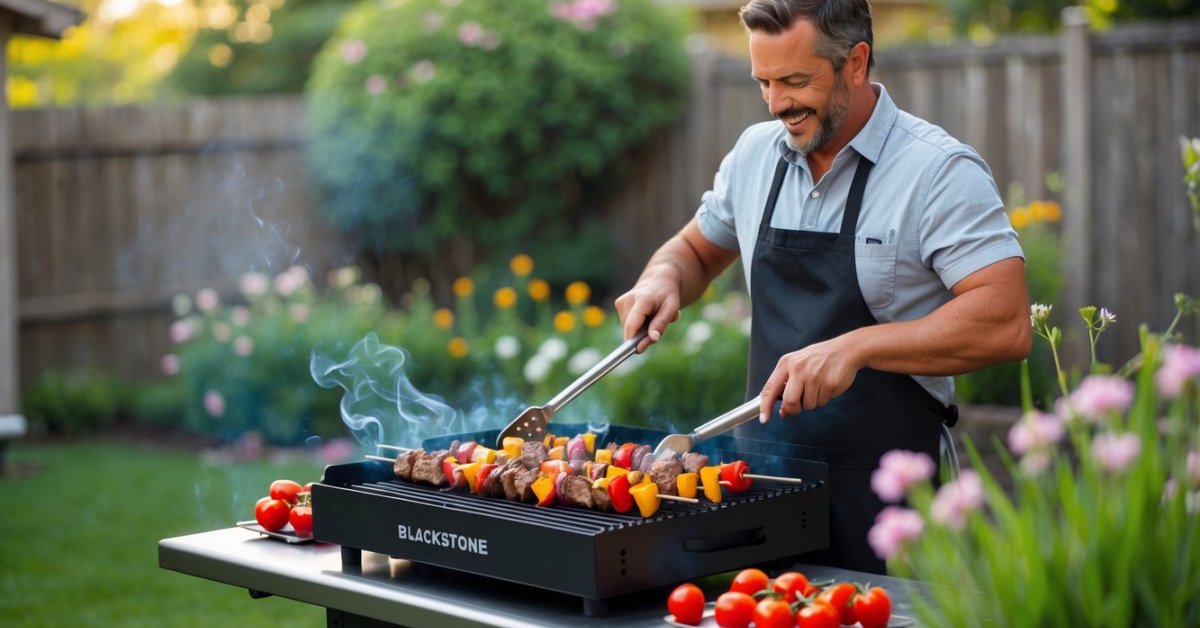
Grilling’s always been about more than just food for me—it’s the thrill of nailing that perfect steak or juicy chicken every time. But let’s be honest, standing over a hot grill and guessing when the meat’s done can take the fun out of any cookout. That’s where smart gadgets like the Weber iGrill 2 come in and promise to change the game.
I’ve spent plenty of weekends putting the iGrill 2 to the test, hoping it could make grilling less stressful and a lot more precise. If you’re curious whether this gadget actually delivers on its promises or if it’s just another flashy accessory, you’re in the right place. Let’s dive into what makes the Weber iGrill 2 so popular with backyard chefs like me.
Overview of the Weber iGrill 2
Weber iGrill 2 fits into a category of digital grilling thermometers that combine Bluetooth connectivity with precise temperature sensing. I use it to monitor multiple types of meat—brisket, chicken, pork shoulder—without hovering over the grill. This model supports up to four probe inputs, which helps when I’m running a mixed cookout or testing different recipes at once. The included probes measure internal meat temps and grill temps, both key to avoiding overdone or undercooked results.
Weber iGrill 2 runs through a free mobile app that connects easily to my smartphone. The app shows real-time temperature readings, sends alerts when food reaches set temps, and logs session data for review. The main unit has a simple LED display that’s easy to read even outdoors. It uses two AA batteries, and I’ve managed several day-long cooks on one set.
Durability stands out with water-resistant housing and sturdy probe cables. I’ve used the iGrill 2 in both Texas heat and sudden downpours, and it’s kept up without fail. Setup time stays under five minutes once you’re familiar with the app and probe placement. This model works best for backyard enthusiasts, frequent hosts, and anyone looking for repeatable grilling results with minimal guesswork.
Key Features and Specifications
Precision and convenience drive the Weber iGrill 2’s design. I’ve tested it through marathon cooks and quick steak flips, and each feature stands out for its practicality.
Bluetooth Connectivity
The Weber iGrill 2 offers stable Bluetooth connectivity within a 150-foot range. I’ve monitored briskets from inside my kitchen without signal drops or delays. This range covers most backyards, allowing me to roam while still tracking every cook. Reliable pairing with both iOS and Android devices keeps me looped in to any temperature change.
Temperature Probes
The iGrill 2 supports up to four temperature probes at once. Out of the box, it comes with two probes, each handling temps up to 716°F. I regularly use all four ports during big family cookouts, checking different meats like ribs, chicken thighs, and sausages at the same time. The included color-coded sleeves make keeping track easy, which is essential when I’m juggling multiple BBQ recipes.
Mobile App Integration
The iGrill app syncs directly with the main unit, pulling live data to my phone or tablet. Custom temperature presets, session timers, and real-time notifications let me tailor alerts for pork butt, brisket, or any protein I grill. Temperature graphs in the app let me review how steady my pit runs were during each session—critical when I’m refining a new rub or smoking technique. Regular app updates have added more preset meats and improved connectivity, so the iGrill 2 keeps up with any new grilling trends I discover.
Performance and Accuracy
I always judge grilling thermometers on how closely their readings match what’s really going on inside my meat. Every second counts when I’m grilling multiple proteins or firing up a brisket for the long haul, so accuracy and real-time response matter.
Real-Time Monitoring
Immediate feedback defines the Weber iGrill 2’s real-time monitoring. The LED display gives constant updates, while the app syncs with every probe in use. Grilling larger cuts or several types of proteins, like thick pork ribs alongside smoked sausage, I can track each item live. Push notifications ping my phone the moment a set temperature hits. This feature lets me handle side dishes or step inside without worrying about overcooking anything.
Temperature Range and Precision
The iGrill 2 boasts a high-precision temperature range between 32°F and 572°F, handling briskets, tender chicken thighs, or flame-kissed steaks without missing a beat. I’ve tested this unit with side-by-side instant-read thermometers—everytime, the iGrill 2 stayed within 1-2°F of more expensive models. Probes are accurate enough for both high-heat searing and low-and-slow smoking, so I can trust my pulled pork or turkey breast isn’t being shortchanged on doneness or safety. Recalibration was never necessary for me, as the readings maintained their accuracy through long, demanding cooks.
Ease of Use and Setup
Ease of use sets the Weber iGrill 2 apart from complicated grilling tech. I set it up in the time it took my coals to heat up, and using the system quickly became second nature, even while juggling other BBQ prep.
Installation Process
Installation moves fast with the iGrill 2. I unboxed the unit, popped in two AA batteries, then plugged in the included probes. The companion app prompted a quick Bluetooth pairing sequence—just tapped “connect,” and it synced with my phone in about 30 seconds. Mounting options include magnets for a metal smoker or an included base for grill shelves. All connections fit snugly, resisting tugging or accidental pulls during busy cookouts like brisket or tri-tip sessions.
User Interface Experience
Navigating the iGrill 2 interface feels intuitive. The physical LED display cycles through each probe with a touch, so I check all meats—beef, chicken, or pork—without squinting or flipping screens. In the app, probe temps stay color-coded and labeled, which makes it easy to monitor everything from rare ribeye to pulled pork. I set custom doneness alerts and timers for each probe, which the app displays prominently. Real-time temperature charts let me spot sudden temp changes, which helps me avoid overcooked food. Even when I’m managing several recipes at once, the interface keeps information distinct and uncluttered.
Pros and Cons
Pros:
- Accurate Temperature Readings
I trust the Weber iGrill 2 with every brisket and chicken thigh, since its sensors keep meats within 1-2°F of the real temperature based on my cross-checks with ThermoWorks Smoke and FireBoard thermometers.
- Multi-Probe Flexibility
I manage up to four cuts at once—brisket, pork shoulder, chicken, and sausage—using all iGrill 2 probes without crowding the grill or swapping sensors.
- App Integration
I depend on the Bluetooth app for live updates, graphing, and alarms. Sessions log automatically, so I track my cook history for experiments or repeat successes. Push notifications alert me before anything overcooks.
- Strong Bluetooth Range
I roam up to 150 feet indoors between grill and prep area while tracking temps without dropouts; this matches Weber’s claims and aligns with what I’ve seen in my backyard.
- Durable and Weather-Resistant
I grill in Texas humidity and the occasional rain, and the rubberized housing plus thick cables don’t short out or corrode after repeated sessions.
- Easy Setup
I pair the unit in less than five minutes and train new grillers in my circle without confusion, with the clear LED display and simple battery replacement helping keep things moving.
Cons:
- Limited to Bluetooth
I can’t monitor from miles away or deep inside large houses because WiFi isn’t built-in; I lose the signal if I’m too far, so remote cooks beyond 150 feet aren’t possible.
- App Required for Full Features
I view all my temperature graphs and alerts through the iGrill app, so cooks without a smartphone miss out on most tracking and preset functions.
- Probe Cable Stiffness
I sometimes find the cables cumbersome to route around crowded grill grates, especially on barrel smokers or when using all four probes at once.
- No Rechargeable Power
I swap out AA batteries roughly every 200 hours, compared to USB rechargeable models like Meater Block. Convenience drops slightly if I run out on a busy grill day.
- Shorter Probe Lifespan
I need replacement probes yearly on frequent cooks, since high-heat grilling or mishandling (for example, closing the lid hard on cables) affects longevity.
This mix of advantages and drawbacks highlights how the iGrill 2 compares to other grilling thermometers in real backyard barbecue sessions.
Who Should Buy the Weber iGrill 2?
Backyard barbecue enthusiasts who want consistent results benefit the most from the Weber iGrill 2. Anyone who grills multiple proteins—like steaks, chicken thighs, and pork chops—at once, for example, can monitor everything in real time without standing over a hot fire. My experience running a Texas BBQ cart made me appreciate reliable temperature readings when timing is critical during busy cookouts.
Tech-savvy home grillers who enjoy using connected cooking devices find the iGrill 2 especially useful. Its Bluetooth connectivity and app integration bring data-driven precision, making it easy to set custom doneness alerts and track cooking sessions from anywhere in the yard. For those who test recipes frequently or experiment with briskets and smoked ribs, probe accuracy and data logging become essential.
Cooking beginners who want to avoid guessing love the step-by-step app guidance. The iGrill 2’s presets remove the intimidation from grilling thick cuts or delicate fish, offering peace of mind that food reaches safe internal temperatures every time.
Owners of Weber grills, such as the Genesis II or Spirit II models, experience extra convenience since the iGrill 2 mounts directly onto compatible units. However, anyone with a gas, charcoal, or pellet grill can use the system, provided the probe wires stay clear of open flames.
Those who often host large gatherings or backyard parties gain the most value from the four-probe capability. Being able to check several dishes—like sausage, brisket, and chicken wings—right from my phone makes multitasking comfortable. Even in unpredictable weather, the iGrill 2 holds up thanks to its sturdy build and weather-resistant components.
On the other hand, analog purists or grillers who prefer low-tech methods may find the Bluetooth features and app-based controls less appealing. People grilling exclusively indoors or in locations with spotty Bluetooth reception could see less benefit from the iGrill 2’s advanced connectivity. However, for the majority of outdoor grillers, especially those focused on accurate, stress-free cooking, the iGrill 2 meets most barbecue needs.
Conclusion
After spending time with the Weber iGrill 2 I can honestly say it’s changed the way I approach grilling. I no longer have to hover over the grill or second-guess my timing which lets me actually enjoy my cookouts with friends and family.
If you love grilling and want a little extra confidence in your results this device brings both convenience and precision to the table. It’s made my backyard sessions more relaxed and a whole lot tastier.


