
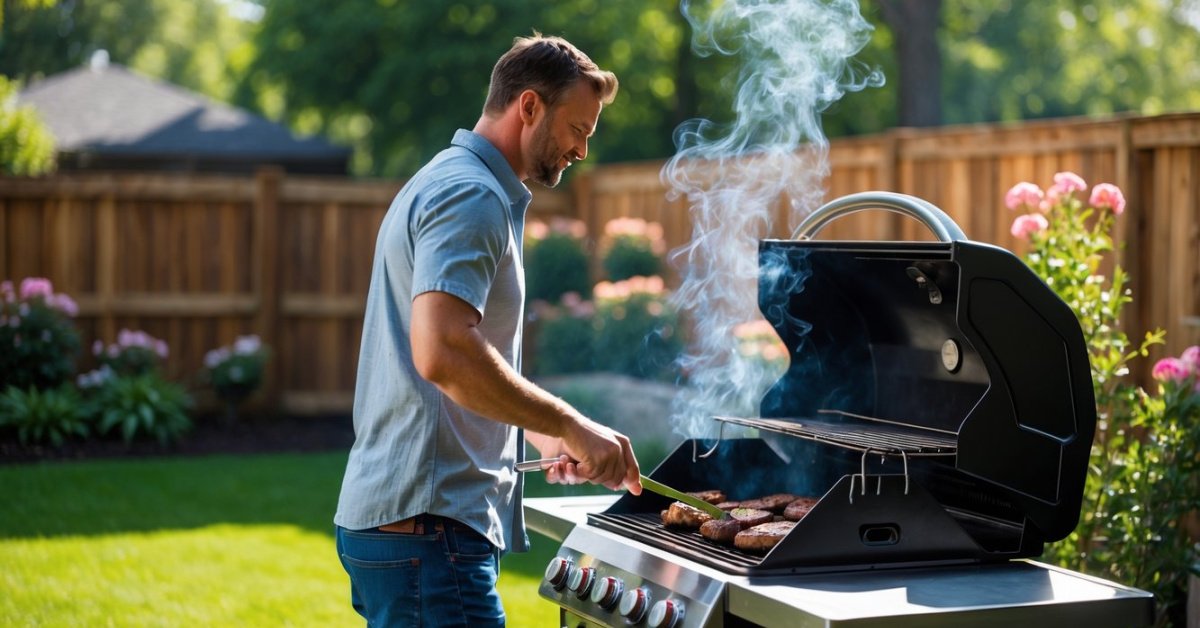
There’s nothing quite like the aroma of ribs slowly cooking on the grill. I love the anticipation of that first bite—tender meat, smoky flavor, and just the right amount of char. But getting ribs perfectly cooked can be tricky and nobody wants to serve them underdone or dried out.
That’s where a leave-in thermometer comes in handy. It’s my go-to tool for taking the guesswork out of grilling. With a leave-in thermometer, I can monitor the ribs’ temperature without constantly lifting the lid or poking the meat. It makes the whole process easier and gives me confidence that my ribs will turn out juicy and delicious every time.
Understanding Leave-In Thermometers
Leave-in thermometers let me keep a close eye on ribs without constant lid lifting. I leave the probe inside the meat through the whole cook, so I don’t lose any heat or smoke by checking temps too often. Most models use a heat-resistant cable that runs outside the grill or smoker, connecting to a digital display for real-time monitoring.
Two main types exist—wired and wireless. Wired thermometers, like the ThermoWorks DOT, give reliable readings with a probe connected to a display outside the grill. Wireless versions, such as the MEATER Plus, send data to my phone using Bluetooth, letting me check temps from a distance.
The probe tip sits in the thickest part of the rib meat, giving the most accurate internal temperature. I avoid touching bone with the probe, since bone heat skews the readings and might signal the ribs are done before they actually are.
Most leave-in thermometers offer settable alarms, so I get alerts once the internal temp hits my target. Some alarms trigger if the grill temperature drops too low or spikes unexpectedly, helping me catch problems early.
Here’s a quick overview of common leave-in thermometer features:
| Feature | Description | Example Model |
|---|---|---|
| Heat-resistant probe | Handles prolonged high heat in ribs, brisket, or pork shoulder | ThermoWorks DOT |
| Wired/Wireless option | Delivers flexibility for grillers needing local or remote monitoring | MEATER Plus |
| Programmable alarm | Notifies me as ribs approach target temp | Inkbird IBT-2X |
| Real-time display | Keeps me updated on current internal temps without removing the lid | ThermoPro TP20 |
With a quality leave-in thermometer, I stay confident the ribs reach safe, juicy doneness, all while maximizing smoke flavor.
Why Accurate Rib Temperature Matters
Perfect rib texture depends on reaching the correct internal temperature. Undercooked ribs, for example, often feel chewy, while overcooked ribs tend to dry out and lose that signature juiciness. I monitor rib temperature closely because 195–203°F delivers the best balance of tenderness and moisture according to the USDA and barbecue competition standards.
Food safety relies on proper temperature too. Pork ribs, like baby back and spare ribs, require internal temperatures above 145°F for safe consumption based on USDA guidelines. Accurate readings prevent risks from undercooked meat, especially when smoking low and slow.
Consistent results separate great backyard barbecues from frustrating cookouts. Using a leave-in thermometer removes the guesswork, helping me repeat that mouthwatering rib texture every time. Relying on appearance, timing, or touch test alone makes perfect doneness much harder to achieve.
Maximized flavor happens when ribs cook slow at stable temps. Prolonged exposure to ideal heat allows fat and connective tissue to render, making each bite juicy and flavorful. Accurate temperature management lets me keep ribs in that ideal zone longer, boosting their smoky character.
Setting Up Your Leave-In Thermometer
Setting up a leave-in thermometer right helps me lock in that perfect rib texture every time I fire up the grill. My years behind the smoker taught me accuracy and placement make the difference between dry and juicy.
Choosing the Right Thermometer
Picking a leave-in thermometer, I look for models suited to long cooks like ribs. Wired digital thermometers, like the ThermoWorks Smoke, suit offset pits and smokers where temps fluctuate. Wireless options, such as the MEATER Plus, let me roam while tracking temps on my phone. Key features I rely on include accurate probes, fast response times, and durable construction for grill environments. I always check for programmable alarms, so I never miss the target internal temp or grill swings.
Proper Placement in Rib Meat
Placing the probe, I aim for the thickest part of the rib slab, away from bone. Bone conducts heat faster than meat, which throws off temperature readings. I slide the probe sideways into the meatiest section, between the bones, so the sensor tip stays snug in muscle tissue. For baby back racks, I center the probe along the length. In spare ribs, I go about 2 inches from the edge for consistent results. Keeping the probe in the center, away from fat pockets, gives me the best read on true doneness and keeps every rack juicy—just like the ones I sold straight off my Texas food cart.
Step-By-Step Guide: How to Monitor Ribs with a Leave-In Thermometer
Monitoring ribs with a leave-in thermometer transforms consistency from luck to a repeatable skill. Over decades of searing brisket and baby backs, I rely on this tool to deliver ribs with perfect texture every time.
Preparing the Ribs
Preparing ribs for accurate temperature monitoring starts before the rack hits the grill. I always remove the silverskin from the bone-side—leaving it on traps steam and can prevent the probe from sliding in cleanly. After seasoning with a rub, I let the ribs sit at room temperature for 30–45 minutes. This step helps with even heating and more accurate temperature tracking.
Before placing the ribs on the pit, I insert the probe into the thickest part of the meat, avoiding any bones. Contact with bone throws off readings by 5–10°F. I test placement by wiggling the probe slightly—if I feel hard resistance right away, I relocate.
Monitoring Temperature Throughout Cooking
Monitoring temperature ensures ribs stay in the tenderness sweet spot. I connect the probe to my digital base station or wireless receiver. During a five-hour cook, rib temps rise slowly at first, then faster after wrapping. I log readings around once every 30 minutes for the first two hours, then every 15 minutes as it passes 180°F.
If temps plateau or jump unexpectedly, I check for grill flare-ups or cold spots. Wireless thermometers, like the ThermoWorks Signals or MEATER Plus, let me roam while still tracking every temp change. Wired setups, like my trusty ThermoPro, work best for offset pits where I can keep the base outside the hot zone.
Knowing When Ribs Are Done
Knowing when ribs are done relies on watching for two key milestones on the thermometer. At 195°F, I start probing for tenderness by sliding the tip of my regular instant-read thermometer between the bones. Perfect ribs yield with little resistance near 198°F to 203°F internally.
I double-check a few thick spots away from bone before pulling the rack. Undercooked ribs (below 190°F) stay tough, while temps above 205°F often mean dry, crumbly meat. When the numbers line up with the easy, butter-like probe feel, my ribs are ready to rest and serve.
Tips for Perfect Results
- Position probes precisely
I always insert the thermometer probe into the thickest part of the rib slab, away from bones and large fat pockets, since these spots skew readings. Accurate placement tracks internal temperature changes evenly during the cook.
- Apply consistent grill temperature
I keep my grill steady in the 225–250°F range for low-and-slow ribs, checking with a grate-level probe if my thermometer offers it. Consistency prevents uneven doneness and dry spots.
- Set alarms for milestones
I program alarms at 195°F and 203°F on my wireless thermometer so I catch both tenderness checks and the upper limit for doneness. These alerts make it simple to step away from the grill without missing critical moments.
- Monitor rest time
I pull ribs off slightly before the target temp, letting them rest tented with foil 10–20 minutes to allow carryover cooking. This step finishes the ribs perfectly and keeps juices locked inside.
- Use probe-friendly techniques
I avoid shifting the probe mid-cook, since small adjustments introduce errors or loss of juices. When moving ribs for saucing or repositioning, I quickly re-insert the probe into the same section.
- Calibrate and clean the thermometer
I regularly test and calibrate my leave-in thermometer in ice water and boiling water for accuracy, following each major cook. I always clean the probe after every session to prevent buildup and contamination.
- Log each cook’s data
I jot down temperatures, times, and pit conditions after every batch. Over dozens of cooks, this data teaches me how each thermometer performs and helps me fine-tune barbecue results.
Common Mistakes to Avoid
Placing the Probe Against Bone
Probe placement right against the bone skews readings, creating false temperature spikes. Bone heats faster than meat, so probe the thickest, meatiest part for the most reliable temperature.
Moving the Probe During Cooking
Shifting the probe mid-cook interrupts accuracy and can break the seal, letting precious juices escape. I always insert the probe before cooking, then leave it undisturbed until it’s time to check or rest the ribs.
Ignoring Thermometer Calibration
Using a thermometer that’s not calibrated leads to off readings, no matter how precise you try to be. I regularly test accuracy in boiling water (212°F at sea level) or ice water (32°F), following the manufacturer’s instructions.
Opening the Grill Frequently
Each time you lift the lid, you lose heat and smoke, slowing cooking and drying the ribs. The beauty of a leave-in thermometer is tracking temps without babysitting or peeking.
Setting Alarms too Close to Target Temperature
If you set thermometer alarms right at the finished temp, you’ll overshoot from carryover cooking. I set alerts 5°F lower than my endpoint, so the ribs finish perfectly juicy.
Neglecting to Log Results
Failing to jot down vent settings, temps, or rib notes keeps you from learning over time. I keep a logbook of each cook—grill temp, meat temp, probe placement, and final results—so my process improves with every rack.
Skipping Thermometer Cleaning
Leaving residue on the probe dulls accuracy and spreads bacteria. After each cook, I clean my thermometer probe with hot soapy water, keeping measurements sanitary and precise.
Conclusion
Grilling ribs should be fun and rewarding not stressful. With a leave-in thermometer I can relax and let the technology do the hard work while I focus on enjoying the process. Every batch of ribs gets a little better and I love seeing the results improve with each cook.
Trusting the thermometer takes the guesswork out of barbecue and lets me serve ribs that are always juicy and tender. With a bit of practice and care my backyard barbecue can rival any rib joint—no second guessing required.


