
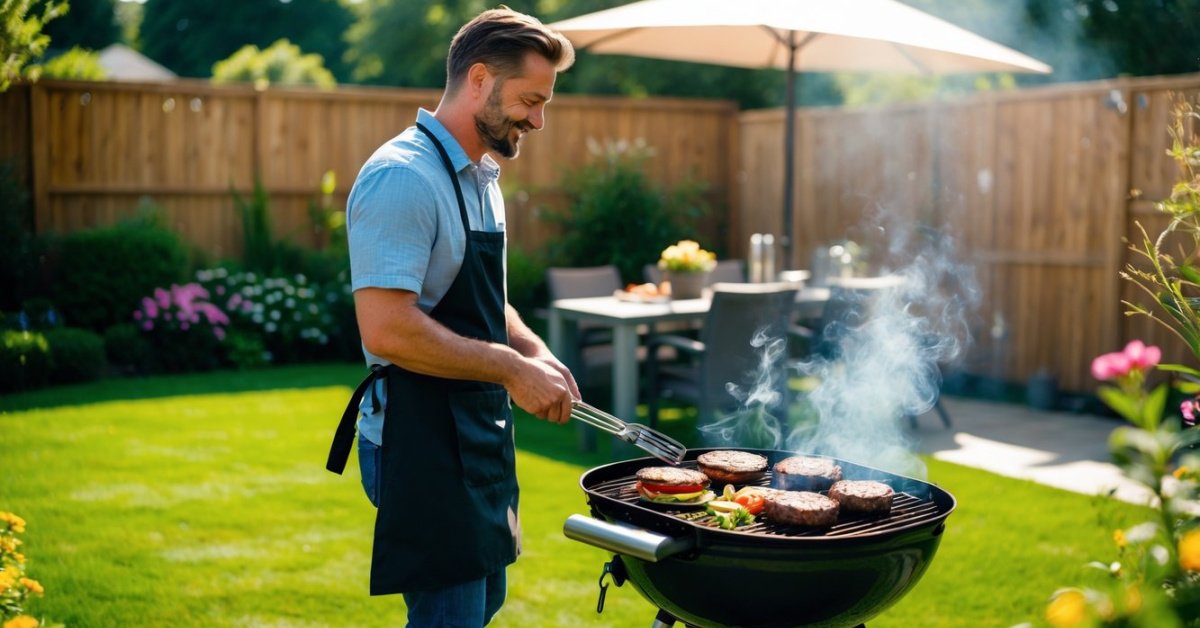
When I fire up the grill I want every steak juicy and every chicken breast perfectly cooked. But standing over the flames with a simple thermometer sometimes feels like guesswork. That’s where app-connected thermometers promise to change the game—letting me keep tabs on my food right from my phone.
With all the buzz around smart grilling gadgets I can’t help but wonder if these high-tech thermometers are really worth the investment. Are they just a flashy upgrade or do they actually make grilling easier and more delicious? Let’s dig in and find out if going digital is the secret to grilling success.
Understanding App-Connected Thermometers
App-connected thermometers use Bluetooth or Wi-Fi to pair with a smartphone, giving me real-time updates on my grill from anywhere within range. I monitor temperatures for different meats—like brisket, pork butt, or chicken thighs—without hovering over the grill.
These thermometers include wireless probes, a base station, and a mobile app. I insert the probe into my meat, and the app shows exact internal temps, often with customizable alerts for target temperatures or time milestones. Some models, like the MEATER Plus or ThermoWorks Signals, support multiple probes, so I can track several cuts at once during a big barbeque session.
With the app, I get features like preset doneness levels for various proteins, cooking charts, and even graphing of the temperature curve over time. This helps me plan when to add wood, open vents, or flip ribs for the bark I want. Instead of guesswork, I work with numbers and science-backed data.
For outdoor cooks who host gatherings or manage a variety of meats, app-connected thermometers offer a layer of control. I tweak recipes and compare past results by saving cooks in the app history, which is handy for perfecting signature dishes on repeat. When grilling takes hours—like with a 14-hour brisket—these devices help me step away from the pit and still keep accuracy front and center.
Key Features and Benefits
App-connected thermometers deliver precision and convenience to grilling routines. I rely on these features to turn every grilling session into a controlled, repeatable process focused on flavor and accuracy.
Real-Time Temperature Monitoring
Real-time temperature monitoring provides constant updates on meat temperatures from anywhere within Bluetooth or Wi-Fi range. When slow-smoking a brisket overnight, I check the current internal temp on my phone without stepping outside. Timely notifications pop up the instant food reaches my desired doneness, so I never miss the mark and ruin expensive cuts.
Enhanced Accuracy and Consistency
Enhanced accuracy and consistency eliminate guesswork when grilling thick steaks, whole chickens, or pork shoulders. Calibrated sensors placed in the thicket parts of meat deliver readings accurate to within ±1°F, according to ThermoWorks and MEATER specifications. Preset temperature guides and cooking charts inside the app base recommendations on USDA standards, ensuring safety alongside taste. Cooking multiple recipes back-to-back, I depend on this level of precision to replicate results every weekend.
User-Friendly Controls and Alerts
User-friendly controls and customizable alerts streamline the process for beginners and expert pitmasters. I set target temps with a tap, pick preset doneness levels for ribeye or salmon, and enable reminders to flip, baste, or pull meat at just the right time. Clear graphs and history logs let me review every session so I tweak times for future cooks and improve results even more. If my phone’s out of reach, push alerts keep me updated so I never lose track while prepping sides or mingling with guests.
Comparing Traditional vs. App-Connected Thermometers
Finding the right thermometer can change everything about grilling. I’ve tested both traditional and app-connected thermometers while working the pit and at home, so I’ll break down how they compare for serious BBQ fans.
Pros and Cons of Each
- Traditional Thermometers
Traditional thermometers deliver instant temperature readings with a probe—examples include dial-read analogs and digital instant-reads like ThermoPop. I don’t need batteries or an internet connection, and they’re affordable, with many under $30. I stay close to the grill, constantly checking temps. However, I can’t monitor food from a distance, and checking multiple cuts is tricky and time-consuming. There’s no logging or remote alarm, so missing the perfect window for brisket or ribs becomes more likely.
- App-Connected Thermometers
App-connected models such as MEATER Block or ThermoWorks Signals offer wireless monitoring for up to 4 probes via phone. I check temps from my living room or backyard using Bluetooth or Wi-Fi, and preset doneness alarms prevent overcooking. Temperature graphs and saved cooking logs help me improve recipes—key for different proteins like pork shoulder or tri-tip. These devices need charging, some syncing, and initial app learning. Connectivity issues may arise in larger yards. Most app models cost more and depend on devices and connectivity.
Cost Considerations
Traditional thermometers usually range from $10 to $40 for high-quality instant-read or leave-in analog models. Some, like the ThermoPop 2, offer speed and accuracy near premium digital units. App-connected thermometers start near $70 and go up to $300 for advanced multi-probe units with Wi-Fi features, like FireBoard 2. Costs also include wireless base stations and replacement probes. For someone grilling meats once a week, traditional options suffice on a budget. If I want consistent results, experiment with several proteins, or regularly prep big BBQ spreads, the extra investment in an app-connected thermometer streamlines my process and helps keep every cook on track.
User Experience and Practical Applications
App-connected thermometers have changed how I manage the grill, letting me focus on flavors without babysitting the meat. Monitoring temps from my phone makes every session more efficient, no matter the recipe or the cut.
Grilling for Beginners vs. Experts
Beginners find step-by-step app guides and visual graphs especially helpful when learning different meat doneness levels. For instance, presets for brisket or pork ribs minimize guesswork and stress the first time around. Alerts prevent dry chicken or overcooked steaks, building confidence with each use.
Experts benefit from precision and multi-probe support. I track several proteins—like beef burgers, pork sausages, and smoked brisket—at once, seeing temperatures in real time and reviewing data to refine my techniques. Data logging and customizable doneness targets in premium apps let me nail my preferred smoke ring on a brisket or achieve a medium-rare ribeye every time.
Scenarios Where They Excel
Long cooks or large batches showcase app-connected thermometer advantages. When smoking a 14-pound brisket or pulling double duty with ribs and sausage, I view all temps from anywhere in my backyard, stepping away for prep without losing oversight.
Cold-weather or overnight cooks become less stressful using wireless apps. For example, I once slow-roasted pork shoulders through a Texas winter night, checking my phone from bed rather than making multiple trips outside.
Group barbecues and catering gigs highlight remote alerts and multi-user sharing. Friends join the cook session, tracking food status together and making sure nobody misses their favorite cut right off the pit. This flexibility adds value to any grilling, whether running a backyard party or practicing recipes for the next big cookout.
Potential Drawbacks to Consider
App-connected thermometers boost convenience but also have potential downsides. I’ve run into several of these while testing models over different cooks.
Technical Issues and Connectivity
Technical glitches and connectivity drops disrupt grilling sessions. Bluetooth and Wi-Fi connections can cut out if I step too far from the grill, especially during outdoor events where signals compete. Some apps freeze or lag, making real-time monitoring unreliable. I’ve seen temp readings stall or disconnect mid-cook, mainly when grilling at parks or crowded backyards. Initial app setup can trip up first-timers with pairing quirks or firmware updates. When these issues hit, I end up double-checking with a backup thermometer for peace of mind.
Battery Life and Durability
Battery limitations and long-term build quality impact reliability for frequent use. Most app-connected probes run on rechargeable or removable batteries, with runtime from 12 to 48 hours per charge. During back-to-back cooks, I’ve found myself scrambling for extra batteries or waiting for a recharge. Extreme grill heat, grease, and moisture challenge probe durability, even in premium models that claim “water resistant” or “grill safe” features. Over months of heavy use, I’ve seen sensor accuracy drift and plastic cases develop cracks. Fully wireless models are especially sensitive to drops or bending, so I always keep spares handy for busy weekends.
Conclusion
After spending plenty of time grilling with both traditional and app-connected thermometers I’ve realized that the right tool really depends on how you like to cook. If you love experimenting with different meats or want to make your cookouts more relaxed and precise these smart thermometers can be a game changer.
While they’re not without their quirks I’ve found the convenience and control they offer make grilling a lot more enjoyable. If you’re willing to invest a bit more for extra features and don’t mind the occasional tech hiccup an app-connected thermometer might just be the upgrade your grill sessions need.


