
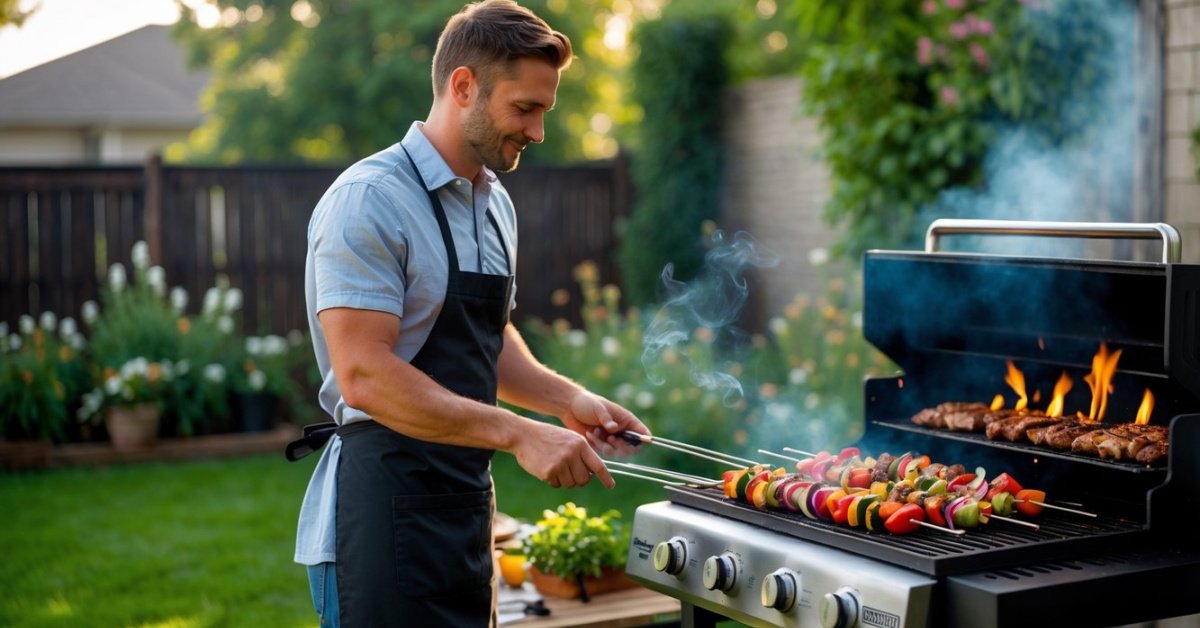
Nothing beats the flavor of food cooked low and slow on a pellet grill, but getting that perfect smoky taste depends on one key detail—temperature. I’ve learned the hard way that guessing just doesn’t cut it when it comes to juicy brisket or tender ribs. That’s where a reliable thermometer steps in and takes the guesswork out of the equation.
With so many options out there, finding the right thermometer can feel overwhelming. I love discovering tools that make grilling easier and more fun, so I’ve rounded up the best thermometers for pellet grill cooking. Whether you’re a weekend warrior or a seasoned pitmaster, the right thermometer will help you nail that perfect cook every time.
Why Accurate Temperature Matters in Pellet Grill Cooking
Precise temperature gives consistent results for pellet grill cooking. Undercooked brisket, for example, stays tough while overcooked pork ribs dry out—both ruin the meat and the meal. Flavor, juiciness, and texture depend on hitting the right temperature every time.
Accurate temperature lets me avoid common grilling mistakes, especially with low-and-slow barbecue favorites like beef brisket, pork shoulder, and chicken thighs. Fifteen-degree swings, which I’ve measured on older grills, change smoke absorption and break down collagen too fast or too slow—this kills tenderness.
Safe cooking is also about accuracy. Poultry, for instance, needs to reach 165°F (USDA guidance) to eliminate harmful bacteria. Guessing or using cheap analog dials risks serving unsafe food.
Control during long cooks improves with reliable thermometers. Real-time readings help me adjust airflow and pellet feed rates, or know exactly when to wrap meats. This matters whether I’m cooking for friends, clients, or just testing a new rub on a Saturday.
Key Features to Look for in Pellet Grill Thermometers
Pellet grill cooking rewards consistency and patience, but only with a thermometer that delivers precise and reliable readings. I focus on essential features that set apart top-performing grill thermometers in real backyard conditions.
Temperature Range and Accuracy
Temperature range and accuracy define a pellet grill thermometer’s usefulness for low-and-slow smoking or searing. I look for models with a range from 32°F to at least 572°F, since brisket, ribs, and chicken each demand specific temperatures. Accurate readings—within ±1.8°F—make the difference between juicy brisket and undercooked, tough results. Thermometers that hold accuracy during long, indirect cooks provide better control over bark development and moisture retention.
Probe Quality and Length
Probe quality and length impact both thermometer performance and food safety. Stainless-steel probes, like the ones I use for brisket on my pellet grills, withstand high heat and avoid corrosion. Longer probes, about 6 inches, reach the thickest part of large cuts—think pork shoulder or whole chicken—without touching bone or gristle, which skews readings. Multiple probes let me monitor ambient grill temp and several meats at once during big cooks.
Wireless Connectivity and Smart Features
Wireless connectivity and smart features help me multitask without losing track of grill temperatures. Wi-Fi and Bluetooth thermometers send real-time alerts to my phone when targets are reached or temps start to fall. App integration with timers, graphing, and preset temp guides for brisket, ribs, and poultry streamlines cook management. Models with at least 100-foot Bluetooth range or Wi-Fi cloud access let me mingle with guests instead of hovering by the smoker.
Durability and Weather Resistance
Durability and weather resistance determine a thermometer’s lifespan outdoors, especially with unpredictable Texas weather. Splashproof or waterproof chassis withstand rain and spilled mop sauce. Probes with high-temp cables resist fraying during all-day smokes in peak summer heat. Rugged casings and strong seals keep electronics working even during long cooks in windy, dusty, or damp backyard conditions. I trust thermometers rated to IPX4 or higher to endure regular use and storage by the grill.
The Best Thermometers for Pellet Grill Cooking: Top Picks
Finding the right thermometer for pellet grill cooking lets me control flavor and texture on every cook. I’ve tested dozens to find accurate and user-friendly options that handle everything from a backyard brisket to a batch of ribs for a crowd.
Best Overall Thermometer
ThermoWorks Smoke X2 earns my top spot for overall performance. Dual-channel probes give me separate readings for grill and meat temps, with accuracy within ±1.8°F. The rugged design handles Texas summers and unexpected rain. A large, backlit display shows data at a glance even during late-night cooks. Reliability and real-time remote monitoring let me step away from the pit without compromising control.
Best Budget Option
ThermoPro TP03 stands out as an affordable choice with consistent accuracy. The foldable probe reads temps in 3-5 seconds, covering everything from steaks to whole chickens. It’s compact enough for travel but sturdy enough for heavy use, making it a versatile pick for those starting out or stocking a backup.
Best Wireless Thermometer
MEATER Plus provides true wireless freedom. The single probe tracks both internal meat temp and ambient grill temp, transmitting data up to 165 feet through the app. I rely on custom alerts and cook estimates to handle long smokes without hovering over the pit. The guided cooking system is especially helpful for those new to bbq or pellet grilling.
Best Instant-Read Thermometer
ThermoWorks Thermapen ONE reads temperatures in just one second, with laboratory-grade accuracy. I use it for quick checks on steaks, chops, or chicken breasts right at the grate. The auto-rotating display and waterproof body make it indispensable when moving fast during busy cooks.
Best Multi-Probe Thermometer
Inkbird IBT-4XS lets me monitor four cuts of meat at the same time. I regularly track brisket, ribs, and sausage in one brisket cook, thanks to color-coded probes and Bluetooth connectivity. The app provides live updates and temperature graphs, streamlining long cooks for competition or weekend feasts.
Tips for Using and Maintaining Your Thermometer
Proper use and care of a grilling thermometer keeps readings precise and extends its life. After running a BBQ food cart in Texas, I’ve learned these strategies make a difference every time I fire up my pellet grill.
Placement Techniques for Accurate Readings
Correct probe placement is essential for reliable temperature checks. I always insert the probe into the thickest section of the meat, away from bone, fat, or gristle. This method gives a true reading of the meat’s internal temperature. For thinner cuts or ribs, I position the probe lengthwise to target the center, avoiding grill grates, which can cause false highs. On multi-probe thermometers, I monitor both grill surface temperature and several meat cuts—brisket, chicken thighs, and pork shoulders all at once. Consistent placement helps deliver repeatable BBQ results.
Cleaning and Storage Recommendations
Caring for each thermometer keeps it working for the long haul. I let the probes cool completely before washing them under running water using mild dish soap, keeping the water away from electronics or digital connectors. Stainless-steel probes get a gentle scrub with a soft sponge. If buildup persists, I soak them in a vinegar-water solution for 10 minutes. For storage, I coil the cables loosely and use the original case or a resealable bag to protect them from grime and moisture. I keep batteries out when I’m storing my thermometer for more than a month to avoid corrosion—lost enough gadgets to battery leaks over the years. Clean, dry, and organized thermometers are always ready for the next BBQ session.
Conclusion
Choosing the right thermometer has completely changed the way I cook on my pellet grill. It’s given me the confidence to tackle everything from brisket to ribs without worrying about overcooking or serving underdone meat.
With all the options out there it’s easy to find a thermometer that matches your style and needs. Once you start using a reliable one you’ll wonder how you ever grilled without it. Happy grilling!


