
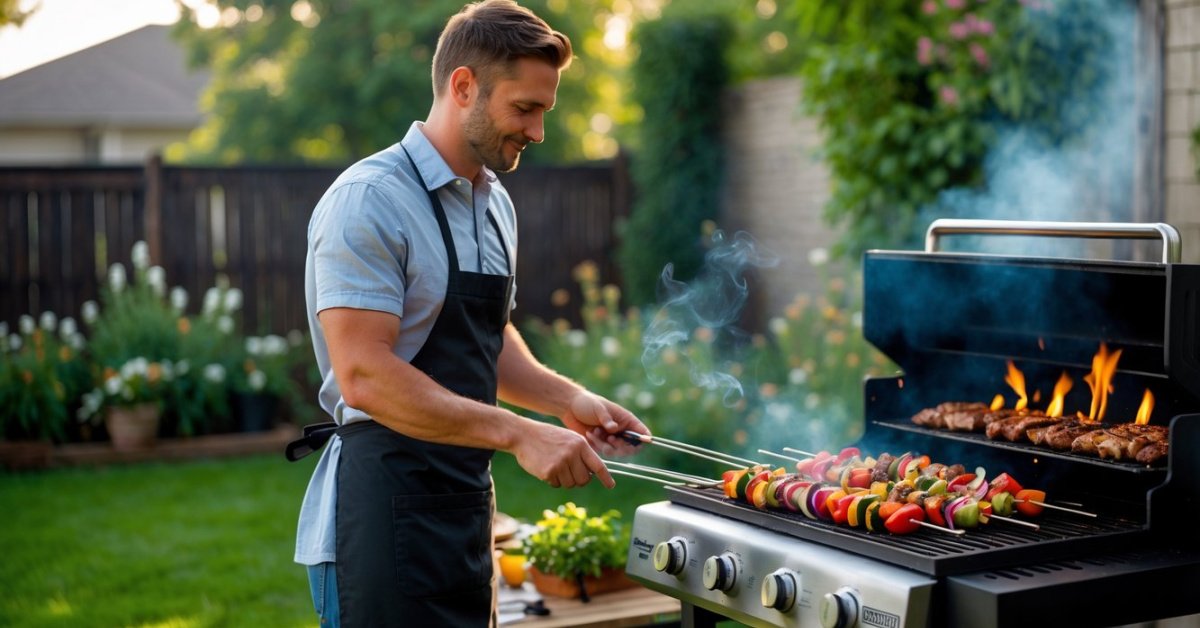
There’s nothing quite like the sizzle of kebabs on a hot grill. I love that moment when the meat starts caramelizing and the veggies get those perfect char marks. But let’s be honest—guessing when everything’s cooked just right can turn a fun cookout into a gamble.
That’s where a good thermometer comes in. I’ve found that using the right one takes all the stress out of grilling kebabs. No more poking or slicing to check doneness—just juicy, perfectly cooked bites every time. If you’re ready to step up your grilling game, let’s talk about the best thermometers to make those kebabs a hit.
Why a Good Thermometer Matters for Grilling Kebabs
Accurate thermometers make grilling kebabs more precise by giving quick, reliable internal readings. Meat like chicken, lamb, or beef cooks unevenly on skewers because direct grill heat creates hot spots. I find that good thermometers catch these variations so you don’t serve undercooked or overcooked pieces.
Consistent doneness gets easier because instant-read models show the core temperature faster than old dial types. When I test kebab recipes for friends or events, digital thermometers keep each chunk of meat at the right doneness—like 165°F for chicken or 145°F for beef, following USDA guidelines.
Juicy texture stays locked in because checking doneness with a thermometer means I don’t need to cut into the kebab and let juices escape. Every time I skip the guesswork, guests comment on how tender everything tastes.
Food safety improves since raw poultry or ground meat skewers carry a risk of bacteria. Proper thermometers remove any doubt about reaching safe temperatures, which matters most when I’m grilling for a crowd or serving kids.
Perfect presentation comes easier because evenly cooked kebabs look as good as they taste. I depend on my thermometer each time I want those vibrant, just-cooked vegetables and charred meat cubes every guest expects.
Key Features to Look for in a Kebab Grilling Thermometer
Grilling kebabs calls for a thermometer that delivers precision, speed, and reliability. I’ve tested dozens of models over the years on everything from lamb to veggie skewers, and a few features always make the difference when grilling kebabs.
Accuracy and Response Time
Accuracy and response time matter most in a kebab grilling thermometer. Fast instant-read models, for example, the ThermoWorks Thermapen ONE or Lavatools Javelin PRO, typically give readings within two or three seconds and stay within ±0.7°F of true temperature. Accurate readings help hit the perfect doneness for beef, chicken, or shrimp—in just a single poke, even as heat flares up from the grill.
Probe Length and Durability
Probe length and durability ensure safety and long-term use. Probes longer than 4 inches allow you to reach the center of thicker kebabs and avoid scorching your fingers over high heat. Durable designs, like stainless steel construction and reinforced joints, stand up to repeated use, accidental drops, and high grill temperatures night after night.
Temperature Range and Versatility
Temperature range and versatility let you use the thermometer for more than just kebabs. Models with a wide range, from about 32°F to over 500°F, cover everything from delicate seafood to searing beef skewers. Devices built for multitasking let me check grill surface heat or even candy temperatures, making them permanent fixtures in my bbq toolkit.
Ease of Use and Cleaning
Ease of use and cleaning simplify the grilling process. Backlit screens help in low-light, quick toggle buttons speed up checking multiple kebabs at once, and waterproof or splash-resistant casings—like those found on the ThermoPop 2 or Kizen—make washing up straightforward. Detachable probes and smooth surfaces minimize stuck-on grease and make cleanup after big bbq sessions painless.
Top Picks: The Best Thermometers for Grilling Kebabs
Grilling kebabs calls for precise temperature control, so I always rely on a select group of thermometers in my own backyard. Here are the top thermometers I’ve tested and trusted with countless skewers.
Digital Instant-Read Thermometers
Digital instant-read thermometers deliver fast, accurate results, a feature that’s saved me from underdone chicken and overcooked shrimp dozens of times. Models like the ThermoWorks Thermapen ONE and Lavatools Javelin PRO impress with 2–3 second readouts, ±0.5°F accuracy, and sturdy probes over 4 inches long. I prefer these for grilled kebabs since I can check every skewer and go back to grilling quickly. Backlit displays—especially on the Thermapen—make checking temps at dusk easy, and waterproof casings help when flipping juicy meats.
Wireless and Bluetooth Thermometers
Wireless and Bluetooth thermometers give me flexibility when I’m working the pit or prepping sides—sometimes I’m fifteen feet away mixing rubs, not standing over the fire. With a unit like the MEATER Plus, I track kebab temps remotely on my phone, receiving push alerts the instant the meat’s done. These models record both internal and ambient grill temps—MEATER does so with dual sensors—helping me manage larger batches without hovering over each skewer. They’re essential for busy backyard cooks wanting multitasking ease along with accuracy.
Leave-in and Oven-Safe Models
Leave-in and oven-safe thermometers, such as the ThermoPro TP-16, stay inserted in the thickest piece while grilling. This makes them ideal for handling mixed kebab platters with steak and veggies—items that finish at different temperatures. Oversized digital readouts and timer functions help me monitor doneness from a safe distance. When I’m juggling a dozen skewers over high heat, these thermometers withstand grill flare-ups and sustained use, keeping track of each batch with minimal fuss.
How to Use a Thermometer for Perfect Kebabs
I use thermometers every time I grill kebabs, because that’s the surest way to lock in flavor and juiciness. Here’s how I get perfect kebabs every time:
- Insert the Probe Properly
I always push the thermometer’s probe into the thickest part of the kebab, steering clear of the skewer. I aim right for the middle of a meat chunk—lamb, chicken, or beef—to be sure I’m not measuring the temperature of a cherry tomato or bell pepper.
- Avoid Grill Flare-Ups
I make sure the probe’s tip isn’t near a grill flame or touching metal. If the probe sits too close to heat or metal, readings jump up fast and throw off accuracy.
- Take Multiple Readings
I check at least two kebab pieces from the same batch. I use this trick to spot undercooked spots, since skewered meats sometimes cook unevenly with veggies packed around them.
- Time the Check
I wait until the outside browns and just starts releasing juices before I grab the thermometer. Instant-read models (like the Thermapen ONE) deliver results in three seconds or less, so I minimize time spent with the lid up.
- Know Target Temperatures
I use USDA-recommended internal temps for meat doneness:
| Meat Type | Safe Minimum Temp (°F) |
|---|---|
| Chicken | 165 |
| Beef/Lamb | 145 |
| Pork | 145 |
| Fish | 145 |
- Monitor for Carryover Cooking
I pull kebabs off the grill a couple degrees before target temp, acknowledging that residual heat finishes the job on the rest.
- Clean Between Uses
I wipe the probe with a grill-safe, food-grade wipe after every batch, since cross-contamination gets risky when you’re grilling mixed kebabs.
By following these steps, I get juicy, safely cooked kebabs without ever guessing. My Texas bbq cart days taught me one thing—thermometers make all the difference when it comes to grilling with confidence.
Tips for Maintaining Your Grilling Thermometer
Cleaning the Probe After Each Use
I clean my thermometer’s probe with hot, soapy water and a non-abrasive sponge after every grilling session, since grease and food residue can affect both accuracy and hygiene. I always dry the probe thoroughly to prevent rust or corrosion.
Avoiding Immersion for Non-Waterproof Models
I keep water and moisture away from the display and body of my non-waterproof thermometers, since only the probe is meant to get wet. For accidents, a quick wipe with a damp cloth works best.
Storing Safely Between Cooks
I store my thermometer in a protective case or dedicated drawer to prevent accidental drops and bent probes, since leaving it loose with other tools often leads to damage. Original packaging works well if a case isn’t included.
Checking for Battery and Performance
I check my thermometer’s batteries before every cook. A sluggish display or dim backlight signals a low battery. I replace batteries with the brand specified by the manufacturer for optimal performance.
Calibrating for Consistent Accuracy
I test my thermometer’s calibration a few times a year by checking it in ice water and boiling water, since both temps verify accuracy across a wide range. I follow manufacturer instructions for recalibrating if I notice a reading that’s off by more than ±2°F.
Inspecting for Wear and Damage
I examine my probe for bending, rust spots, or cracks before each use. For digital thermometers with cables, I inspect the wires for fraying or kinks, since exposed wires can skew readings or cause electrical shorts.
Avoiding Extreme Heat Exposure
I never leave my instant-read thermometer on the grill during cooking, unless it’s designed as a leave-in type, since exposure to direct flames or high heat can damage electronics and probe accuracy.
Applying gentle care, I keep my favorite thermometers performing reliably for juicy, perfectly cooked kebabs every time.
Conclusion
Grilling kebabs should be fun and stress-free and the right thermometer makes all the difference. I love knowing that my kebabs will turn out juicy and safe to eat every time without any guesswork.
With a quality thermometer on hand I can focus on enjoying the process and sharing delicious food with friends and family. Happy grilling!


