
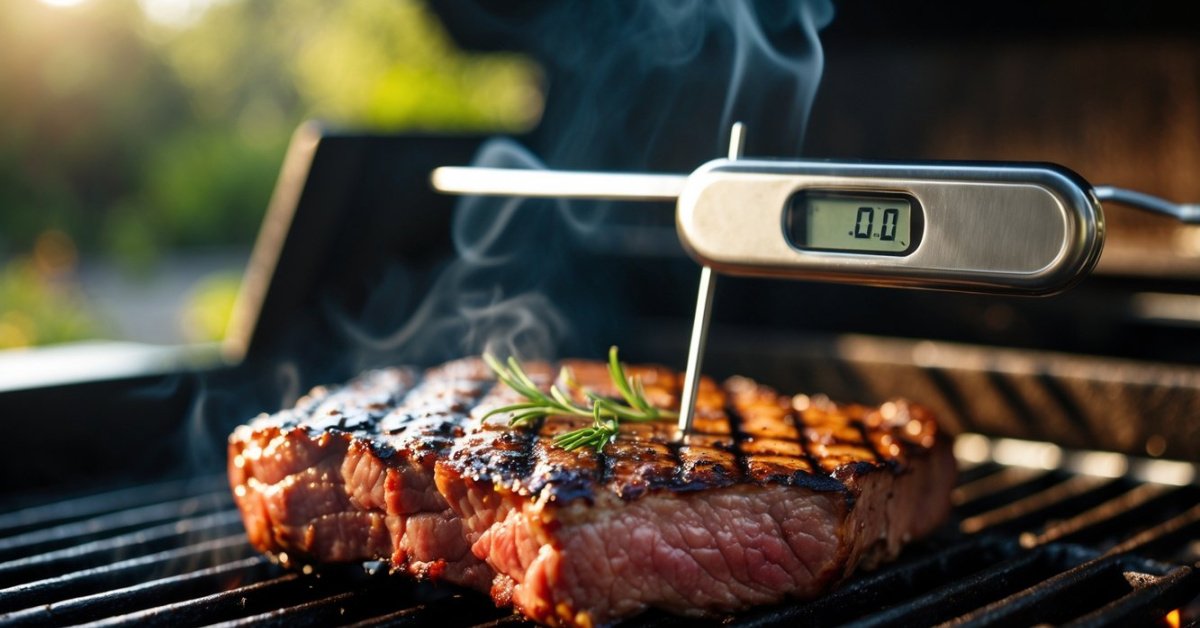
When I first started grilling I quickly realized that guessing when meat is done just doesn’t cut it. A good thermometer can make the difference between a perfect steak and a disappointing meal. It takes the stress out of grilling and lets me focus on enjoying the process.
Choosing the right thermometer might seem overwhelming with so many options out there. I remember feeling lost in all the choices but it doesn’t have to be complicated. With a few simple tips you’ll find the perfect tool to boost your confidence and up your grilling game in no time.
Why a Thermometer Matters for Beginner Grillers
Accurate thermometers keep grilling confidence high for beginners. I’ve met many first-time grillers in Texas who’d guess steak doneness by looking at color or touching the meat, but these guesses don’t deliver consistent results. Undercooked chicken or overdone brisket happens most often when the cook relies on appearance or timing instead of temperature.
Precise temperature readings give beginners a clear guide. When I first started, I’d worry about food safety or ruining expensive cuts. Using a grill thermometer takes the guesswork out. USDA guidelines state that chicken needs to hit 165°F and pork must reach 145°F for safe eating, so I rely on digital or instant-read thermometers to verify these numbers every time.
Consistent results encourage learning. Repeatable, delicious results let new grillers focus on technique, seasoning, and timing, instead of second-guessing doneness. When I ran my bbq cart, my best-selling ribs and brisket owed their juiciness to careful temp monitoring, which helped me scale up from backyard cookouts to feeding events of 100+.
Error reduction helps build skills. Even a basic digital thermometer can save beginners from dry burgers or raw sausages by providing instant feedback. Every batch teaches a lesson when you compare final temps to taste and texture.
Trusted thermometers boost enjoyment. Reliable tools mean more fun at the grill and less stress. I try out new models so I can find features that make beginner grilling easier—like fast-read speed or clear displays—so no one stands by the grill worrying if dinner’s done.
Key Types of Grill Thermometers
Choosing the right grill thermometer can change how you cook, especially when starting out. I’ve used dozens of thermometers during my years grilling brisket, pork shoulders, and steaks, so I focus on features that matter most for beginners.
Instant-Read vs. Leave-In Thermometers
Instant-read thermometers give a quick temperature check, usually in 3–5 seconds. I use these for testing chicken thighs or ribeyes after they come off the grill. Most digital instant-read models show temps within 1–2°F accuracy, like the ThermoWorks Thermapen or Lavatools Javelin Pro.
Leave-in thermometers monitor temps throughout the cook. I insert them before closing the lid, making them perfect for large cuts such as briskets or pork butts. Wired options, such as the ThermoPro TP-17, and wireless ones, like the MEATER Plus, let me track temps without opening the grill. For slow cooks over several hours, leave-in styles save me from hovering over the pit.
Digital vs. Analog Thermometers
Digital thermometers display temps on a screen, showing figures quickly and accurately. I grab these when I want fast readings and reliability. Most digital models include backlit displays and alarm features—critical for low-light grilling or overnight smokes.
Analog thermometers use a dial display and don’t need batteries. Standard grill lid thermometers and some classic probe styles fall into this group. While I’ve seen analog options work for quick checks, I usually find they respond slower (10–20 seconds) and can drop in accuracy over time.
Beginners often get consistent results using digital instant-read or leave-in thermometers, whereas analog styles favor those already comfortable with visual doneness cues. For anyone new to grilling, reliable readings and convenience tend to matter most, making digital options a top choice in my experience.
Essential Features to Consider
Picking a thermometer for grilling gets easier when I focus on specific features that really make a difference. My years running a Texas BBQ cart taught me that the right tool takes the guesswork out of cooking over fire.
Accuracy and Response Time
Accurate readings matter when grilling steak, chicken, or brisket. Digital thermometers with ±1°F variance deliver real numbers I can trust. Fast response time—under 3 seconds for most instant-read models—saves me from standing over hot grates. Slow analog or outdated digitals sometimes lag by 8-10 seconds, which complicates keeping meat just right. Brands like ThermoWorks, Lavatools, and ThermoPro consistently get reliable accuracy and speed gains in beginner thermometers.
Temperature Range and Display
Wide temperature ranges mean versatility for grilling everything from fish fillets to thick beef roasts. The best beginner thermometers read from as low as 32°F up to 572°F, covering cold-smoked salmon and reverse-seared tomahawks. Clear backlit LED or large LCD displays with bold digits make temperature checks easy, especially when smoke or bright sunlight makes numbers hard to see. I look for features like rotating screens on pen thermometers and auto-off for battery savings.
Durability and Build Quality
Tough construction counts during long grill sessions or busy cookouts by the pit. Models with waterproof or splash-proof housings survive greasy hands, drips, and unexpected Texas rainstorms. Foldable probes and shatter-resistant casings reduce breakage if I drop one during a hectic cook. Stainless steel probes last longer and keep sharp points for easy insertion. Food-service grade plastics resist melting if set down near hot grates, as I learned after a melted handle once wrecked my night.
| Feature | Preferred Value for Beginners | Notable Example Models |
|---|---|---|
| Accuracy | ±1°F | ThermoWorks Thermapen ONE |
| Response Time | ≤3 seconds | Lavatools Javelin PRO Duo |
| Temperature Range | 32°F–572°F | ThermoPro TP19 |
| Display | Backlit, large, rotating or clear LCD | ThermoPro TP03, ThermoPop |
| Durability | Waterproof, shatter-resistant, stainless steel probe | Lavatools PT12, Thermapen |
Budget Considerations for Beginners
Pricing differences between grill thermometers can surprise new grillers. Entry-level digital thermometers cost from $15 to $35, with popular models like the ThermoPro TP03 and Lavatools Javelin offering decent accuracy for this price. Premium thermometers like the ThermoWorks Thermapen ONE go $90 and up, adding speed and durability—but beginners rarely need the fastest or most robust options at first.
Spending less doesn’t mean sacrificing all reliability. Brands like Lavatools and ThermoPro keep prices low by trimming extra features, like Bluetooth connectivity or color displays, without sacrificing core accuracy. I often tell new grillers to aim for something simple and sturdy before upgrading to fancy models with more functions. In early grilling days at my food cart, I relied on midrange digital thermometers and found they worked well for everything from chicken thighs to brisket.
Total grilling startup costs matter, so I always factor thermometer purchase into the initial budget alongside basics like charcoal, tongs, and a chimney starter. If cost constraints are tight, instant-read digital models usually give the best value and versatility. Analog thermometers look affordable, but they often lack speed and precision, which can frustrate new users.
Repair and replacement costs also matter. Some digital thermometers offer limited warranties or affordable replacement probes. I suggest checking warranty terms—ThermoPro, for example, offers a 3-year warranty with registration, extending value past the initial purchase.
Here’s a table comparing typical thermometer categories and what beginners usually get for the price:
| Thermometer Type | Price Range ($) | Notable Features | Example Models |
|---|---|---|---|
| Entry-Level Digital | 15–35 | Fast, basic, reliable | ThermoPro TP03, Javelin |
| Midrange Digital | 35–60 | Faster, backlight, foldable probe | ThermoPro TP19, Javelin PRO Duo |
| Premium Digital | 90–120+ | Ultra-fast, waterproof, professional-grade | Thermapen ONE |
| Analog | 10–20 | No battery, slow, basic | Weber Grill Thermometer |
Smart planning keeps costs in check, and most beginners get great grilling results from affordable digital thermometers that focus on accuracy and ease.
Top Tips for Making the Right Choice
- Check for easy-to-read displays: Digital thermometers with backlit or large-screen displays make reading temps fast during a sunset cookout or a busy backyard BBQ. Bright screens on models like the ThermoWorks Thermapen ONE or Lavatools Javelin PRO Duo keep things clear when the smoker lid’s open and the grill’s at its hottest.
- Seek water resistance: Water-resistant or splash-proof models stand up to drips, sudden rain showers, and messy sauce splatters, especially if I’m flipping ribs on a humid night. Thermometers with an IP67 or IP65 rating—such as the ThermoPro TP19 or Lavatools Javelin—handle kitchen and outdoor messes without skipping a beat.
- Choose strong build quality: Solid construction with a sturdy probe means years of reliable use. I prefer thermometers with stainless steel probes and heat-resistant handles, since thin probes reduce juice loss in steaks and deliver quicker readings.
- Opt for quick response times: Models that register temps in 2–3 seconds keep grilling stress-free when things heat up. Fast reads help me avoid losing heat from the grill while checking doneness, making them crucial for consistent results.
- Verify accuracy claims: Models advertised with ±1°F (±0.5°C) accuracy reduce the risk of over- or undercooked meat. I double-check specs on the manufacturer’s site or third-party tests before trusting a new thermometer.
- Test for ease of use: One-handed operation and simple button layouts win out at busy gatherings. Thermometers with auto on/off or fold-out probes, like the Lavatools Javelin, let me check temps without slowing down the BBQ line.
- Confirm battery type and life: Long battery life or rechargeable options save hassle. CR2032 button batteries or AAA batteries power many digital thermometers; I stock extras so I’m never left guessing temp mid-cook.
These specific steps help beginner grillers, aiming to make grilling more confidence-boosting and keep every brisket and burger juicy, flavorful, and cooked just right.
Conclusion
Choosing the right thermometer really does make grilling so much easier and more enjoyable. When I stopped guessing and started relying on a good digital thermometer I found myself grilling with way more confidence and having a lot more fun.
If you take your time to pick a reliable model that fits your needs and budget you’ll set yourself up for tasty success every time you fire up the grill. Happy grilling!


