
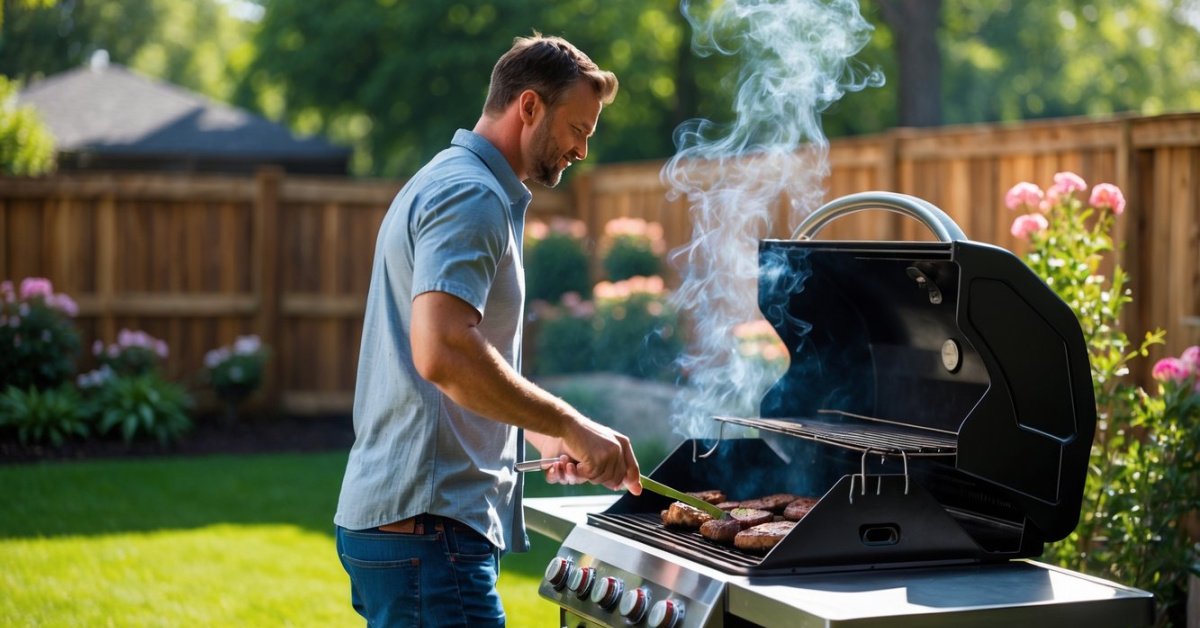
Nothing ruins a backyard cookout faster than slicing into a roast and finding it undercooked or dry. I’ve learned the hard way that guessing just doesn’t cut it when it comes to grilling those impressive cuts of meat. That’s why a reliable thermometer has become my secret weapon for juicy briskets and perfectly pink prime rib.
With so many options out there it can be tough to know which thermometer will give you quick accurate results every time. I’ve tried a bunch and found that the right tool makes grilling large roasts not just easier but way more fun. Let’s dive into what sets the best thermometers apart and how they can help you nail that next big feast.
Why Accurate Temperature Matters for Large Roasts
Accurate temperature readings determine how juicy and safe a large roast turns out. Large cuts like brisket, pork shoulder, and prime rib contain thick areas that cook unevenly, so core temps rarely match the surface temps. Only a precise thermometer gives me the data to avoid undercooked centers and dried-out edges.
Food safety depends on hitting proper temps. Beef, pork, and poultry roasts each reach safe consumption at different minimum internal temperatures, as outlined by the USDA: beef at 145°F, pork at 145°F, and poultry at 165°F. Cutting in early or pulling late risks foodborne illness or unpleasant, stringy texture.
Consistent results across multiple cooks rely on tracking internal temperature. External conditions like grill type, wind, and roast thickness change cooking time for the same cut each time I grill. Thermometers with reliable sensors and accurate probes take the guesswork out, so I can repeat my best results no matter the roast size.
Juiciness and flavor develop from pulling the roast at the right temp, then resting while carryover heat finishes the cook. With accurate data, I never gamble—my guests get consistently tender and flavorful slices every time.
Key Features to Look for in Grill Thermometers
Grill thermometers shape every roast I pull off the pit. Every feature matters more when thick briskets and pork butts hit the grates. These qualities set top models apart during cookouts.
Probe Length and Durability
Long, sturdy probes reach deep into big roasts without flex or breakage. I need at least 5-inch stainless steel probes for briskets and bone-in prime rib. Short probes miss the thickest part. Stainless keeps corrosion out, even when high heat and meat juices mix.
Temperature Range and Accuracy
Wide ranges and precise accuracy keep meat safe and juicy. My go-to thermometers register from 32°F–572°F, so I catch anything from a cold fridge to a roaring grill. ±1.8°F accuracy gives me confidence for pork, beef, or poultry. Lower ranges or wide error margins, like ±5°F, cause missed targets and dry edges.
Wireless and Smart Capabilities
Wireless and app-connected thermometers let me monitor from anywhere. Bluetooth models send temps to my phone, freeing me from standing by the pit. Dual- or multi-probe units track several roasts at once. Alarms and cloud-connected graphs help with long smokes, especially overnight brisket sessions. Wired-only designs demand more attention and limit flexibility when grilling for crowds.
The Best Thermometers for Grilling Large Roasts: Top Picks
Finding a reliable grill thermometer changes the way I approach big cooks. I’ve tested dozens over years behind a Texas food cart and at home, focusing on what truly helps with large cuts.
Instant-Read Thermometers
Quick readings let me check temps fast when every second counts. Instant-read models like the ThermoWorks Thermapen ONE or the Lavatools Javelin PRO Duo give accurate readings in 2–3 seconds. I reach for these when I’m spot-checking briskets or thick pork shoulders before pulling them off the grill. Large, backlit displays help me work late into the evening, and waterproof cases survive even the messiest cooks. Fold-out probes in these tools keep storage safe and simple between brisket flips.
Leave-In Grill Thermometers
Leave-in thermometers let me monitor roast temps hands-free through the whole cook. Models like the ThermoWorks Dot and the Maverick ET-732 use 6-inch stainless steel probes that handle heavy cuts like bone-in prime rib or pork butt. With high-heat cables and wide temp ranges (32°F–572°F), these tools make it easy to track long cooks without opening the grill lid. Audible alarms help me catch my target temp right away, saving every drop of juiciness in larger roasts.
Wireless and Bluetooth Thermometers
Wireless and Bluetooth thermometers maximize flexibility while I’m tending other parts of the meal or hosting a group. My favorites include the MEATER Plus and ThermoPro TempSpike, both offering up to 165 feet of range. These tools send real-time updates right to my phone, so I can grill brisket, manage side dishes, and socialize—all while tracking internal temps for perfect results. Smart features like preset target temps for beef or pork cuts remove guesswork, and dual-probe options help me manage multiple large roasts at once.
I’ve used each style for backyard feasts and weekend barbecue events. When I trust my thermometer, I can serve up Texas-style roasts, smoky and tender, every single time.
Tips for Using a Thermometer with Large Roasts
Positioning Matters
I always place the probe in the thickest part of the roast, like the center of a brisket or pork shoulder. I avoid touching bone or fat since these can skew readings higher or lower than the actual internal temperature.
Use Multiple Probes for Big Cuts
I insert two probes on extra-large roasts, such as whole prime ribs or 14+ lb briskets. This helps me monitor both the center and edge, avoiding dry ends and cold spots.
Know Your Target Temps
I rely on USDA guidelines for doneness—like 145°F for pork loin and 195-203°F for properly tender brisket. I remove roasts from heat a few degrees before hitting the target to account for carryover cooking during the rest.
Monitor Throughout the Cook
I keep my wireless app open or leave my multi-probe receiver nearby when I’m grilling for a crowd. I check intermittently, especially during hot cooks. Wireless and leave-in thermometers free me up from hovering but let me catch temp spikes early.
Let Roasts Rest Before Slicing
I always rest large roasts for 20-45 minutes after removing them from the grill. This allows juices to redistribute and the carryover heat to finish the cook. I recheck temperature right before carving to confirm it hasn’t dropped below safe levels.
Clean Probes After Each Use
I scrub stainless steel probes with hot, soapy water and a soft cloth after each session. I dry them thoroughly to prevent rust. I inspect cables and connectors for damage if I’m using wireless setups, since grime can cause inaccurate readings.
Conclusion
Grilling large roasts has become a lot less stressful for me since I started relying on a quality thermometer. I love knowing I can serve up juicy flavorful meat without second-guessing myself or worrying about food safety.
With the right thermometer in hand I can focus more on enjoying the cookout and spending time with friends and family. It’s a simple upgrade that’s made all the difference in my grilling game.


