
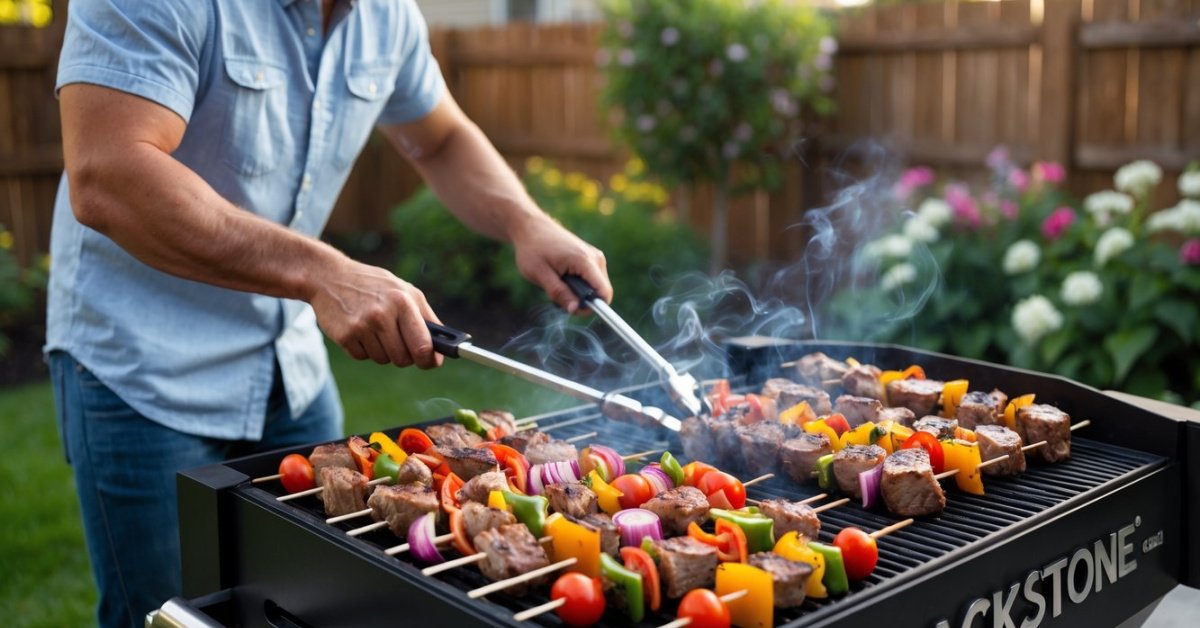
There’s nothing quite like the aroma of juicy meat slowly spinning on a rotisserie. I love the anticipation that builds as the grill does its magic, but I know the real secret to perfect results isn’t just patience—it’s precision. Getting that ideal doneness every time means keeping a close eye on the temperature.
That’s where a reliable thermometer comes in. I’ve learned the hard way that guessing can lead to dry chicken or undercooked roast. With the right thermometer, I can relax and let the grill work while I know exactly when my meal is ready. Let’s explore the best thermometers for rotisserie grilling and find out which ones make grilling easier and tastier.
Why Accurate Temperature Matters in Rotisserie Grilling
Precise temperature tracking in rotisserie grilling prevents overcooking or undercooking. Juiciness in brisket, chicken, or pork relies on keeping temperatures in the target range, not guesswork. Undercooked chicken risks dangerous bacteria like Salmonella, according to USDA guidelines. Overdone steak or ribs turn dry and tough, wasting time and high-quality meat.
Consistent heat application results in even doneness from edge to center. Slow rotation on a rotisserie can create hot spots and cooler areas inside the grill chamber. Monitoring true internal temperature using digital probes or wireless thermometers eliminates uneven results across different cuts; for example, a whole chicken vs. a pork roast.
Fluctuating grill temperatures impact cooking time and meat texture. Stable heat—tracked with external grill thermometers—keeps the internal temp rise steady. Reliable thermometers let me adjust airflow, fuel, or placement during cooks where wind and weather shift conditions. Accuracy in these readings supports repeatable success, making recipe results consistent every single time.
Key Features to Look for in Rotisserie Grill Thermometers
Finding the right thermometer helps keep everything from brisket to whole chickens juicy and safe to eat. I always focus on features backed by experience at the grill.
Temperature Range and Accuracy
Thermometers for rotisserie grilling need a wide temperature range for different meats and grill types. Most meats hit doneness between 160°F and 205°F, but grill chambers often run from 225°F to 500°F. I look for accuracy within ±1.8°F because even a few degrees off leads to dry chicken or tough ribs. Accurate thermometers such as the ThermoWorks Smoke or ThermoPro TP25 perform well with pork shoulder, prime rib, or turkey.
Probe Design and Durability
Probes should be long and sturdy to handle thick cuts and keep hands away from the rotisserie heat. I prefer stainless steel probes since they resist corrosion and stand up to repeated use. Removable, water-resistant cables help with easy cleaning and storage. Probes rated for at least 700°F handle both roasting and high-heat searing without failing.
Display and Readability
Easy-to-read displays with large numbers let me check temperatures even during evening grilling sessions. Backlit screens and bold digits work best, especially when checking a pork loin or chicken after dark. Magnetic or stand-up bases let me place the display unit anywhere without leaving the grill unattended.
Wireless and Smart Connectivity
Wireless features, like Bluetooth or Wi-Fi, let me step away without losing track of temperature changes. App connectivity provides real-time alerts and temp graphs, useful when I’m juggling prep for brisket and ribs at the same time. Multi-probe support means I can monitor several spots in a roast or different cuts at once, as seen in thermometers like the Meater Plus or Weber iGrill 2.
The Best Thermometers for Rotisserie Grilling: Top Picks
Finding a thermometer that keeps up with rotisserie grilling makes all the difference in taste and juiciness. My experience with BBQ food carts and constant recipe testing has shown which models consistently perform on the spit.
Best Overall Rotisserie Grill Thermometer
ThermoWorks ChefAlarm stands out as the best overall thermometer for rotisserie grilling. Its ±1.8°F accuracy, adjustable high-low alarms, and durable, heat-resistant probe meet every need. I’ve used the ChefAlarm with brisket, pork shoulder, and whole chickens, tracking temperatures up to 572°F without losing reliability. The clear display and long cable let me monitor temperatures through the spinning process—crucial for rotisserie setups.
Best Wireless Thermometer for Rotisserie Grills
MEATER Plus delivers true wireless monitoring for rotisserie grilling. The Bluetooth-connected probe tracks both internal meat temperature and ambient grill heat while allowing total freedom from tangled wires. I’ve run the MEATER Plus in setups with chickens and tri-tips spinning over both gas and charcoal, getting readings on my phone from up to 165 feet away. The app’s guided cook system and cloud connectivity help ensure I hit target temperatures without hovering over the grill.
Best Budget Rotisserie Thermometer
ThermoPro TP-16 offers accurate readings and essential features at an affordable price. The probe handles grill temps up to 716°F, and a simple programmable alarm signals when my target meat temperature’s met. When I grill multiple racks of pork ribs or roast a turkey on the rotisserie, the easy-to-use display and straightforward controls make it a top pick for value without sacrificing performance.
Best High-End Thermometer for Serious Grillers
FireBoard 2 Drive earns my recommendation for high-end rotisserie grilling. This thermometer supports up to six probes and connects via WiFi or Bluetooth for remote monitoring. Its advanced graphing, long battery life, and pit control capabilities let me monitor several proteins at once—brisket, chicken, and sausage—all from a single interface. When running competitions or prepping BBQ for a crowd, FireBoard 2 Drive’s customizable alerts and data logging make it an all-in-one command center for serious grillers.
How to Use and Maintain Your Rotisserie Grill Thermometer
Using and maintaining a rotisserie grill thermometer matters as much as picking the right model. I’ve found consistent thermometer practices make or break juicy brisket, tender chicken, or perfectly done pork.
Proper Placement for Accurate Readings
Placing the grill thermometer probe in the correct spot ensures reliable internal temperature readings. I always insert the probe into the thickest part of the meat, avoiding bones, fat pockets, or the rotisserie rod. For a whole chicken, I aim for the breast but steer clear of bone to keep readings true. For pork loin or brisket, I insert the probe lengthwise into the center for an accurate core temp.
Wireless probes and digital units need a clear connection to the base receiver, so I keep the sensor away from spinning rotisserie motor parts and exterior grill walls. This reduces interference and prevents heat false-reads. For multi-probe units, I balance each probe across different cuts to track temperature consistency and identify hot spots inside the grill.
Cleaning and Care Tips
Keeping thermometer probes clean avoids cross-contamination and extends their usable lifespan. After each cook, I let probes cool, then wipe them with a damp cloth and mild soap. I avoid submerging digital or wireless units in water, since moisture damages electrical contacts and display screens.
Once a month, I check probe tips for built-up residue and gently scrub with a soft sponge and a bit of vinegar. Stainless steel probes handle high heat and are less likely to stain, but I never use abrasive cleaners—the surface can scratch and pick up lingering flavors. If a probe cable shows signs of kinks or cracking, I replace it fast to avoid heat leaks or inaccurate reads during longer rotisserie sessions.
For long-term storage, I coil cables loosely and slip the probes into reusable sleeves or wrap them in a clean towel. Keeping them stowed in a dry spot helps electronics last through years of backyard cooks.
Conclusion
Choosing the right thermometer has truly transformed my rotisserie grilling. I love how it takes the guesswork out of the process and lets me focus on enjoying the experience. With the right tools and a bit of attention to detail I can serve up juicy chicken or perfectly cooked brisket every time.
If you’re serious about grilling investing in a reliable thermometer is one of the smartest moves you can make. It’s a simple upgrade that pays off with every delicious bite.


