
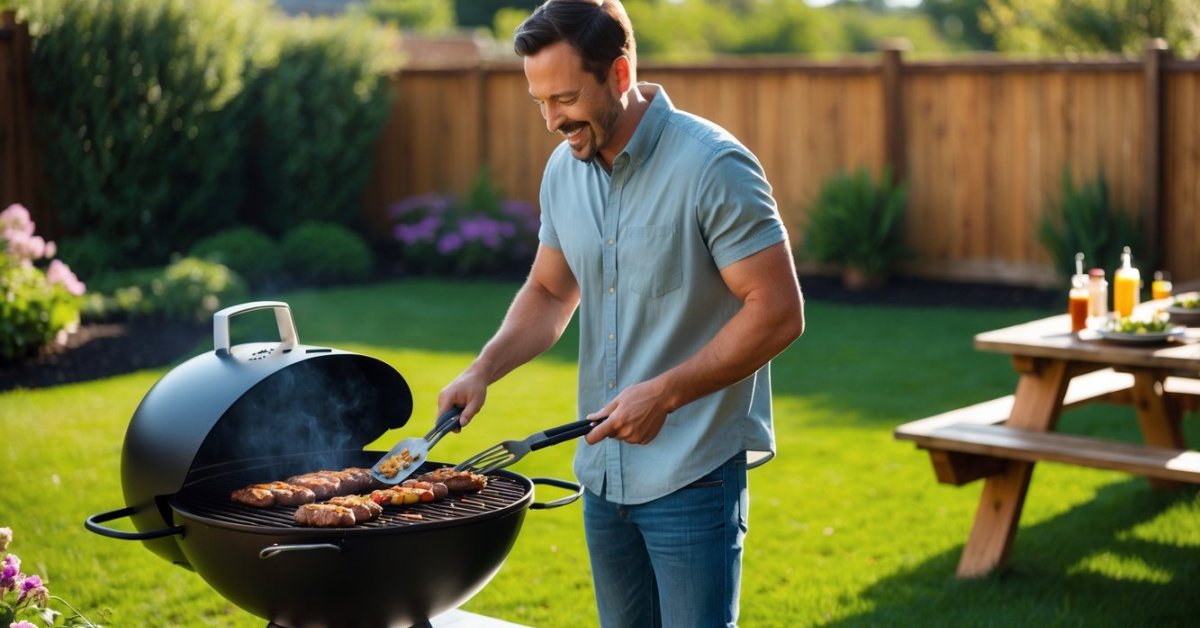
Grilling pork tenderloin always feels like a special occasion in my backyard. There’s something about those juicy slices with a hint of char that keeps me coming back for more. But I’ve learned the secret to perfect pork isn’t just in the marinade or the grill marks—it’s all about hitting the right temperature.
Getting the temperature right means you’ll never have to worry about dry or undercooked pork again. I’ve made my share of mistakes and discovered a few tricks along the way. If you want tender juicy pork every time let’s dive into the simple temperature tips that make all the difference.
Understanding the Importance of Temperature in Grilling Pork Tenderloin
Accurate temperature readings make all the difference for pork tenderloin on the grill. I rely on instant-read digital thermometers because they give quick, consistent readings that help avoid guesswork. Cooking pork tenderloin at the right internal temperature, 145°F (63°C) according to the USDA, lets me serve meat that’s moist, tender, and flavorful every time.
Consistent temperature helps lock in juices. Over years running my Texas bbq cart and now in my backyard, I’ve found that improper temp control leaves pork dry or pink inside. Using a reliable thermometer ensures even heat and balanced doneness.
Thermometers come in several types—instant-read probes, wireless smart devices, and dial models. I prefer digital probes for pork tenderloin because they deliver a fast, accurate read when every second matters over the flame. When I test a thermometer, I always insert it into the thickest part of the meat—this spot heats slowest, so its reading prevents undercooking.
Rest periods also matter. After grilling pork tenderloin to 145°F, I rest it for 3–5 minutes to let juices redistribute. This habit, learned during years of commercial cooking, works only with certainty about doneness, which a good thermometer provides.
Temperature tracking guarantees results. Through trial, error, and lots of taste tests, I’ve learned that only precise temperature control, anchored by a top-quality grilling thermometer, produces the juicy pork tenderloin barbecue fans expect.
Recommended Temperature Ranges for Pork Tenderloin
Perfect pork tenderloin starts with nailing the temperature. Over years on the bbq cart and at home, I’ve found that dialing in the right temperature range is the simplest way to guarantee juicy, flavorful results every time.
Safe Minimum Internal Temperature
Grilling pork tenderloin safely means hitting the USDA-recommended minimum of 145°F (63°C). I always use a fast, accurate digital thermometer to check the thickest part, since that spot heats the slowest. Resting the meat for at least 3 minutes after grilling keeps it safe and lets the juices settle. Pork at 145°F ends up pink inside but perfectly safe—every thermometer test I’ve run confirms it.
Ideal Cooking Temperatures for Different Doneness
Flavor and texture change as temperatures rise above 145°F. For super-juicy sliced pork, I pull it off right at 145°F (63°C). If I want slightly firmer, less pink but still moist pork, I’ll target 150–155°F (66–68°C) by the thermometer, especially for guests who prefer no pink. Beyond 160°F (71°C), pork loses moisture fast—my experience matches every temp test I’ve done. Keeping tenderloin in the 145–155°F (63–68°C) range gives the best balance of tenderness, juiciness, and food safety on any grill setup.
Grilling Tips for Perfect Pork Tenderloin
Grilling pork tenderloin gives me a reason to fire up the grill and test out new thermometers. Controlling both seasonings and temperature makes the biggest difference in results.
Preparing the Meat for Grilling
Trimming silver skin from pork tenderloin prevents chewy bites. I use a sharp boning knife and slide just under the shiny membrane, working it off in strips. Patting the tenderloin dry with paper towels helps seasoning stick. I season all sides evenly with a dry rub—kosher salt, black pepper, garlic powder, and a little smoked paprika stay classic. Letting the meat rest at room temperature for 15–20 minutes before grilling promotes more even cooking by taking the chill off.
Using a Meat Thermometer Effectively
Accuracy matters most when grilling pork tenderloin. I always use an instant-read digital thermometer for spot checks and a leave-in digital probe when firing up a big batch. Inserting the thermometer through the side, into the thickest section, gives the real center temp. I avoid hitting bone or fat pockets, which can throw off readings. I check temps twice: once halfway and once a few minutes before the expected finish so I never overshoot 145°F. For resting, I pull the pork off the grill as soon as it hits 143–145°F, knowing carryover heat brings it right to target. Digital thermometers with fast response times, like my trusty ThermoWorks or ThermoPro models, always make a noticeable difference in juicy, safe pork.
Common Mistakes to Avoid When Grilling Pork Tenderloin
Skipping thermometer use: Relying on guesswork leads to undercooked or overdone pork tenderloin. I always use an instant-read digital thermometer, checking temps in the thickest part for the most accurate reading.
Inserting thermometer incorrectly: Placing the probe too close to the edge or hitting fat skews temperature results. For consistent results, I insert the thermometer horizontally into the very center of the tenderloin, avoiding bones and connective tissue.
Cooking with cold pork: Putting a cold tenderloin straight on the grill causes uneven cooking and dry edges. I let pork rest at room temperature for 15–20 minutes before grilling, which helps heat spread evenly throughout the cut.
Opening the grill too often: Constantly lifting the lid results in drastic heat loss and extends cooking time. I monitor temps externally using a digital probe thermometer and only open the grill to flip or check doneness when necessary.
Overcooking during the carryover phase: Exceeding the target internal temp doesn’t let the pork rest and finish cooking off heat. I pull the tenderloin from the grill at 143–145°F, letting carryover bring it up to a safe 145–147°F.
Forgetting to calibrate thermometers: Inaccurate thermometers result in missed target temps. I test my grill thermometers in boiling water every few months to ensure precise readings.
Ignoring resting period: Slicing pork immediately after grilling lets juices escape, losing flavor and moisture. I always let pork rest for 3–5 minutes before cutting, which makes a noticeable difference in juiciness.
Each step, from thermometer choice to attentive grill monitoring, makes perfect pork tenderloin possible for barbecue lovers at any experience level.
Resting and Serving the Pork Tenderloin
Resting pork tenderloin after grilling lets juices evenly redistribute. I move the pork off the grill and onto a clean cutting board, then loosely tent it with foil. I rest my pork tenderloin for 3–5 minutes, since that short pause keeps moisture locked in and offers a noticeably more tender final bite.
Slicing pork tenderloin right after resting gives juicy, flavorful portions. I slice across the grain into ½-inch medallions, which prevents chewiness and helps present the pork beautifully on any platter. When I host guests, I arrange slices slightly overlapping and add a sprinkle of chopped parsley for extra color.
Serving pork tenderloin warm makes the most of its tender texture and lets the flavor of any dry rub or seasoning shine. I pair slices with grilled vegetables like asparagus or peppers and often include a side of homemade barbecue sauce. Using a freshly calibrated instant-read thermometer for every cook gives me confidence that my guests enjoy juicy, safe pork every time.
Conclusion
Grilling pork tenderloin has become one of my favorite ways to impress friends and family with a juicy flavorful meal. Once I started paying close attention to temperature and using a reliable digital thermometer I noticed a huge difference in both texture and taste.
With a few simple habits and a little patience you can serve pork that’s always tender and never dry. If you haven’t tried these techniques yet give them a shot at your next cookout. I’m sure you’ll taste the difference and your guests will too.


