
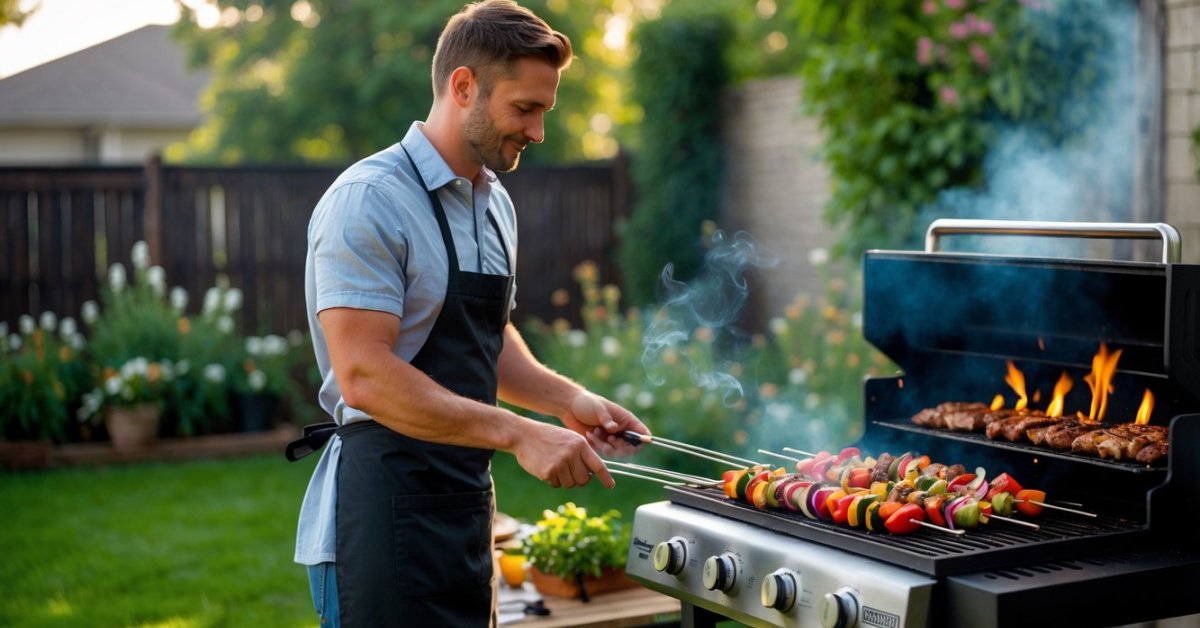
Nothing ruins a backyard barbecue faster than a sudden downpour or a drizzle that just won’t quit. I’ve had my fair share of soggy grilling sessions and learned the hard way that not all thermometers can handle wet weather. When you’re determined to grill no matter what the sky throws at you having the right gear makes all the difference.
That’s why I set out to find the best thermometers built to withstand rain splashes and humidity. If you love grilling as much as I do and refuse to let a little water dampen your plans you’ll want a thermometer that’s tough reliable and accurate even when the weather isn’t on your side.
Why You Need a Waterproof Thermometer for Grilling
Grilling thermometers with waterproof ratings keep working when rain, humidity, or splashes hit the cook site. I’ve watched regular thermometers fog up, fail, or deliver bad readings after just a few minutes in a downpour or next to a dripping marinade tray. Waterproof models handle those mishaps because their casings block out moisture from every direction.
Accuracy matters for grilling thermometers, and waterproofing preserves that. Even the best electronics give unreliable temps if water creeps inside—they’ll read low, high, or not at all. That leaves brisket underdone, chicken overcooked, and hours wasted. My experience with tough Texas weather taught me dependable gear avoids lost batches.
Ease of cleaning stands out, too. I dunk and scrub thermometer probes between tests or after handling sticky sauces. Non-waterproof designs trap water in the display, leading to short circuits and warranty claims. Waterproof probes and displays survive full rinses, staying safe for both backyard cooks and pro BBQ competitors.
Thermometer durability also jumps up with true waterproofing. I’ve dropped utensils and thermometers into puddles while refilling the smoker or flipping drenched burgers. The best waterproof thermometers keep giving accurate readings even after those accidents, thanks to tight seals and rugged builds.
Key Features to Look for in Wet-Condition Grilling Thermometers
Choosing the right thermometer matters when grilling in rain or humidity. Every function counts toward keeping food safe and tasty, even when the weather doesn’t cooperate.
Waterproof Ratings and Build Quality
IPX ratings show how much water a thermometer can handle. I always check for IP66 or IP67, since these ratings mean the device resists rain and quick splashes. Rubberized exteriors and sealed seams block moisture after accidental drops or when my hands are slick from sauce or rain. Stainless steel probes stay rust-free longer, so I look for those on models I keep in my grilling rotation.
Accuracy and Response Time
Accurate readings keep brisket or chicken safe to eat, even if it’s pouring outside. I aim for thermometers with a margin of error no greater than ±1.8°F. Fast response times—4 to 6 seconds—help when I’m working under a patio cover and don’t want to stand in the rain guessing at the temperature.
Display Features and Visibility
Large, backlit displays let me read numbers clearly even on cloudy days, early mornings, or evenings. Bold digits and anti-fog screens make a difference after steam rises off wet meat or rain mists my gear. Rotating screens also help if I’m reaching into awkward grills or working beside a charcoal smoker.
Battery Life and Power Options
Long battery life means less worry about a blank screen in the middle of a backyard cook. Rechargeable lithium-ion options last longer in wet, cold weather, while replaceable AAA batteries save the day when I can’t recharge. Battery doors with waterproof gaskets stop leaks and keep the electronics safe.
Top Picks: The Best Thermometers for Grilling in Wet Conditions
I’ve tested dozens of thermometers in Texas rainstorms and drizzly backyard sessions. These picks stand out for delivering reliable performance, staying accurate, and holding up when the weather turns wet.
Best Overall Waterproof Grill Thermometer
ThermoWorks Thermapen ONE keeps readings accurate and fast, even in heavy rain. With an IP67 waterproof rating, the body resists splashes and dunks. I’ve grilled brisket through thunderstorms, and this model never missed a beat. It reads temps in 1 second with a ±0.5°F margin of error. Its bright, rotating display makes checking doneness easy in the dark or under clouds.
Best Budget-Friendly Option
The Lavatools Javelin PRO Duo offers solid waterproofing (IP65), accuracy of ±0.9°F, and a 3-second response, all for under $55. I’ve dropped this one in puddles and rinsed it under the tap after messy rib sessions. The magnetic back sticks to the side of smokers and grills, saving space and effort when my hands are full.
Best Wireless Thermometer for the Rain
MEATER Plus stands out when I want wireless tracking without standing out in the storm. The probe is water-resistant, and the Bluetooth range reaches 165 feet. The app shows temperature graphs and timers which helps when I’m juggling multiple meats. I use this when I need to keep the smoker lid closed during downpours and still watch internal temps precisely.
Most Durable Model for Outdoor Use
ThermoPro TP19H feels rugged in hand. The IP67 waterproof rating and thick rubber armor handle drops, bumps, and direct rain. I’ve used it for tailgates, camping trips, and chaotic BBQ competitions. It reads temps in about 2 seconds, and the auto-rotating screen means I never twist my wrist awkwardly mid-cook. Battery life exceeds 3,000 hours, supporting extended grilling marathons.
Tips for Using Grill Thermometers in Wet Weather
- Choose Waterproof Placement
I position my thermometer display or receiver under covered areas like a patio umbrella or grill lid handle. This setup keeps direct raindrops off sensitive electronics, unless nothing shields the space.
- Protect Probe Connections
I always push probe wires deep into the meat and route them so joints and plugs stay higher or shielded from dripping water. Consistent accuracy depends on keeping those connections dry.
- Wipe Before Storing
I towel off my thermometer and probes after use, if rain or humidity leaves them wet. Immediate drying helps prevent corrosion in battery contacts or probe wires.
- Check Probe Gaskets
I inspect the rubber or silicone seals around the probe jack and battery cover before each wet-weather cook. A missing or cracked gasket lets moisture sneak in, so replacements ensure lasting waterproofing.
- Monitor Temp Changes
I watch for sudden temperature drops or “L” or “Lo” errors on the display during rain. Those signals usually mean water found its way into connectors, so I reset or dry off the thermometer.
- Bring Spares
I carry an extra waterproof probe or backup thermometer in case one gets submerged and stops reading. Wet grilling always brings surprises, especially in spring or summer Texas downpours.
- Dry Before Charging
I never plug in rechargeable units while damp. I fully dry ports and body at room temperature first, as trapped moisture sometimes shorts the circuit board, according to ThermoWorks’ support guidelines.
- Track Warranty and Support
I keep purchase records handy for my favorite brands like ThermoWorks or Lavatools. Most top-tier thermometers offer warranties covering water intrusion, if you report issues with proof of proper care.
Conclusion
Grilling in wet weather doesn’t have to mean soggy food or unreliable temperature readings. With the right waterproof thermometer, I’ve found that I can focus on perfecting my barbecue instead of worrying about the rain. Investing in a quality, weather-resistant thermometer has truly changed my outdoor cooking experience.
If you’re serious about grilling year-round, it’s worth choosing a tool that stands up to the elements. I hope my recommendations help you stay prepared for whatever the weather throws your way—and keep your grilled dishes on point every time.


