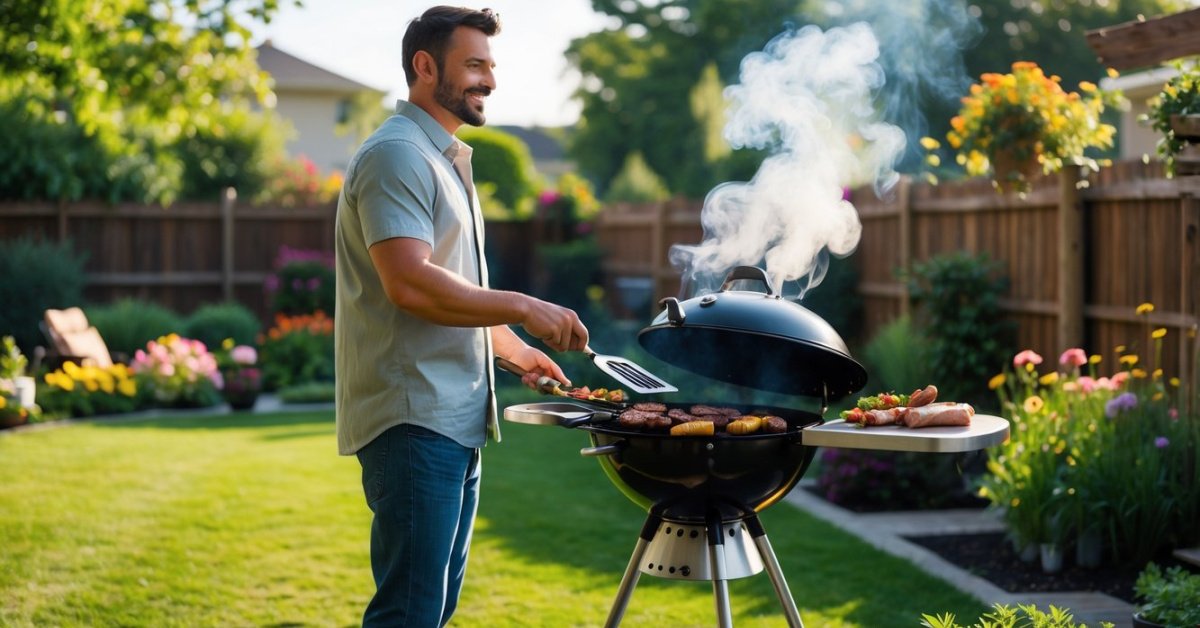
There’s nothing quite like the smoky aroma of beef ribs sizzling on the grill. Every time I fire up my barbecue I look forward to that perfect blend of juicy meat and crispy edges that only comes from grilling ribs just right. But while the flavor is important I know that getting the temperature right is what really makes or breaks the meal.
I’ve learned that grilling beef ribs isn’t just about patience and seasoning—it’s also about safety. Undercooked ribs can ruin the fun and nobody wants to take that risk. So before I toss those ribs on the grill I always make sure I know exactly what temperature to aim for to keep things both delicious and safe.
Choosing the Best Beef Ribs for Grilling
Selecting beef ribs for grilling depends on the cut, marbling, and thickness. I always look for full racks between 2.5 and 3.5 lbs, as they cook evenly and give plenty of surface for seasoning and temperature testing.
- Types of Beef Ribs: Plate ribs and back ribs stand out for grilling. Plate ribs—sometimes called “dino ribs”—come from the short plate and yield thick, meaty bones, perfect for slower, low-and-slow cooks. Back ribs have less meat but absorb smoke flavor quickly and fit well on most grills.
- Marbling Quality: Good marbling—visible fat lines spidering through muscle—ensures juicy results when grilling beef ribs. I check for bright, creamy fat integrated across the rib surface, not just sitting on top. USDA grades such as Choice or Prime provide reliable marbling.
- Thickness and Trimming: Thickness affects grilling consistency. Ribs cut at least 1.5 inches thick retain moisture and take well to hours on indirect heat. I also look for racks with minimal excess fat and silver skin—stores sometime trim aggressively, but I prefer a little extra fat for flavor.
- Source and Freshness: Fresh, never previously frozen ribs give the best texture on the grill. I source ribs from reputable butchers or grocers such as H-E-B or local shops, avoiding pre-marinated or brined packages so flavors stay under my control.
- Visual Inspection: Ribs that appear deep red, with firm flesh and a clean bone sheen, grill more predictably. I avoid any ribs with excess liquid or gray color, as they tend to dry out on the grill.
Well-chosen beef ribs support even cooking and accurate thermometer readings, which I target with every grilling session. Grill size and type, grilling thermometer compatibility, and seasoning approaches all connect back to selecting the right ribs for the cook.
Preparing Beef Ribs for the Grill
Perfect grilling starts before the heat even hits the ribs. Clean prep and smart seasoning set up ribs for consistent results and robust flavor.
Seasoning and Marinating Tips
Dry rubs coat beef ribs with layers of flavor. I use kosher salt, cracked black pepper, smoked paprika, brown sugar, garlic powder, and cayenne for Texas-style ribs. Wet marinades expand the flavor range—soy sauce with horseradish and apple cider vinegar adds tang and tenderness. Let ribs rest at least 1 hour, though overnight chilling draws in more flavor.
Uniform rub or marinade coverage ensures each bite hits the same notes. Pat ribs dry before seasoning to help spices stick and avoid steaming on the grill.
Pre-Grill Preparation Steps
Rib prep before grilling improves texture and safety. First, I remove the silverskin membrane from the rib’s bone side with a blunt knife and paper towel for grip. Skipping this step leads to tough, chewy bites. Next, I trim excess fat but keep a thin layer for juiciness.
Accurate temperature probes matter for both prepping and grilling. After seasoning, I insert a digital leave-in thermometer probe along the thickest rib for real-time monitoring. My thermometers, like the ThermoWorks Smoke X or Weber iGrill 2, offer precise readings without raising the lid.
Meat should sit out 30-45 minutes pre-grill to reduce surface chill, letting internal temps climb closer to ambient. This even jump-starts rendering for better smoke adhesion and flavor penetration during the first hour on the grill.
Grilling Beef Ribs: Safe Temperature Tips
I always focus on temperature control to achieve juicy, safe-to-eat beef ribs with every cook. Proper temp management locks in flavor, safeguards against foodborne issues, and ensures the right texture at the table.
Recommended Internal Temperatures
Recommended internal temperatures for beef ribs balance safety and tenderness. USDA food safety standards call for an internal temperature of 145°F (63°C) as a minimum for safe consumption, confirmed by sources like foodsafety.gov. For rib texture that falls off the bone, I target an internal temp of 195–203°F (90–95°C), since thick cuts with collagen and connective tissue break down fully in this range. Sticking within this window delivers both safe and incredibly tender beef ribs every time.
| Rib Style | Safe Minimum Temp (°F) | Target Tender Temp (°F) |
|---|---|---|
| Beef Back Ribs | 145 | 195–203 |
| Beef Plate Ribs | 145 | 195–203 |
Tools for Accurate Temperature Checking
Reliable temperature checking demands using dependable grill thermometers, which I’ve tested extensively. Instant-read digital thermometers, like the ThermoWorks Thermapen or Lavatools Javelin, give quick, accurate readings for spot checks while the ribs rest or cook. Leave-in digital probe thermometers, such as the MEATER Plus or ThermoPro TP20, track internal temps in real time during the entire cook, sending alerts when ribs reach the desired temp range. Smart wireless thermometers with app connectivity let me monitor from anywhere around the grill, offering flexibility during long, slow cooks.
I always insert thermometers into the thickest part of the rib, away from bone or fat, to avoid false readings. Accurate temperature readings are critical, so I regularly calibrate my thermometers using an ice water test. With these tools and practices, I consistently hit the perfect safe temperature for beef ribs on any grill setup.
Common Mistakes to Avoid When Grilling Beef Ribs
- Ignoring Temperature Accuracy
I never rely on built-in grill dials for beef ribs; those often misread by 20–30°F. Only a calibrated digital thermometer gives consistent results. When I test different thermometers, I check each against boiling water (212°F) for quick accuracy confirmation.
- Skipping Rest Time After Grilling
Meat stays juicier when it rests. If you slice ribs right off the grill, juices run out and leave dry bites. I always rest beef ribs under foil for at least 15 minutes to let moisture redistribute, especially after reaching that 195–203°F target.
- Overcooking Due to Guesswork
Guessing doneness from outer color or cook time often leads to tough ribs. Plate ribs, for example, need longer to break down collagen. I always trust an instant-read thermometer at the thickest spot, never touching bone.
- Not Removing the Silverskin
Leaving silverskin on beef ribs blocks smoke and seasoning from soaking in and creates a chewy texture. I use a paper towel for a solid grip and peel it clean before seasoning every batch.
- Inconsistent Grill Temperature
Uneven grill heat chars some ribs while leaving others undercooked. I always set up a two-zone fire—direct heat for browning, indirect for slow cooking—and check both zones with a probe thermometer for reliable consistency.
- Neglecting Probe Placement
Incorrect probe placement measures bone heat or thin edges, not true internal temp. I stick my thermometer into the thickest part of the beef, avoiding bone for the most accurate reading every time.
- Forgetting to Calibrate Thermometers
Even top digital thermometers drift out of range over time. I test all my units monthly in ice water and boiling water, adjusting as needed, so readings stay precise for every cookout.
I’ve found these mistakes common at backyard grills and on the competition circuit. Eliminating them creates better results, keeps ribs safe, and builds confidence when using grilling thermometers.
Serving and Enjoying Your Grilled Beef Ribs
Slicing Techniques for Juicy Ribs
I slice beef ribs across the bone using a sharp carving knife for the cleanest cuts. I cut between the bones for even portions, letting the juices stay inside each piece. I always rest the ribs for at least 20 minutes after grilling before slicing to keep moisture locked in.
Serving Suggestions for Maximum Flavor
I serve beef ribs on a pre-warmed platter to retain heat. I accompany ribs with classic barbecue sides like smoked beans, creamy coleslaw, or charred corn. I drizzle or brush on a little leftover rib glaze or au jus for extra richness before serving.
Safe Holding and Serving Temperatures
I keep grilled beef ribs at a minimum of 140°F (60°C) if I’m holding them after slicing, using a warming drawer or indirect heat area on my grill. I recommend checking with a quick-read thermometer, especially if serving outdoors.
Enjoying Beef Ribs with Proper BBQ Etiquette
I use thick paper napkins or pre-moistened wipes, since ribs are best enjoyed by hand. I encourage friends and guests to take smaller portions first to keep slices juicy for everyone. I keep extra sauce and sides nearby for easy access, but I make sure not to overshadow the smoky, beefy flavor locked in by careful temperature control.
Storing and Reheating Leftover Ribs
I store any leftovers in airtight containers within two hours to prevent bacteria growth, in line with USDA guidance. I reheat ribs to at least 165°F (74°C), using a grill, oven, or sous vide to avoid drying them out. I check the temperature with my favorite digital thermometer before serving again.
Conclusion
Grilling beef ribs is one of my favorite ways to bring friends and family together for a memorable meal. When I pay attention to temperature and technique every bite turns out juicy flavorful and perfectly safe to eat.
With a little patience and the right tools grilling beef ribs becomes a rewarding experience that’s hard to beat. I hope my tips help you fire up your grill with confidence and enjoy every moment from prep to that first delicious bite.


