
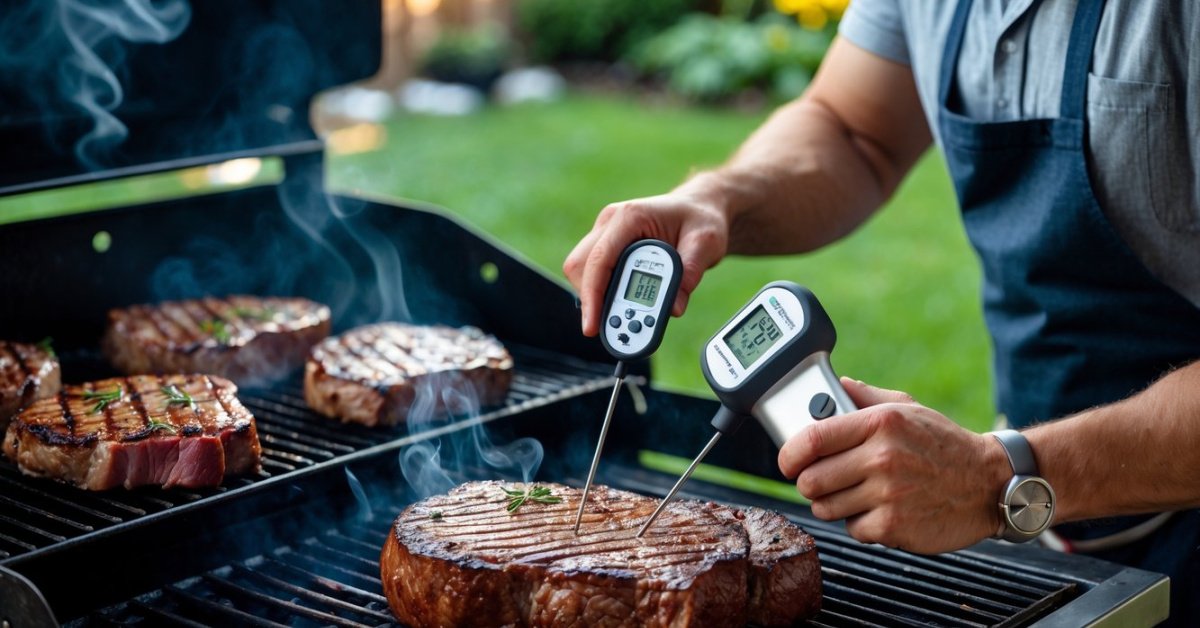
I love firing up the grill and tossing on some fresh fish fillets. There’s nothing quite like that smoky flavor and perfectly flaky texture. But getting fish just right can be tricky and I’ve learned that nailing the temperature is key to both taste and safety.
No one wants to serve undercooked fish or end up with a dried-out dinner. That’s why I always pay close attention to the grill’s heat and the internal temperature of my fillets. It makes all the difference between a delicious meal and a disappointing one. Let’s dive into the best ways to grill fish safely and enjoy every bite.
Understanding Safe Temperatures for Grilling Fish Fillets
Safe temperatures for grilled fish fillets hinge on food safety standards and texture preferences. I grill fillets until they hit an internal temperature of 145°F, using my favorite digital thermometer for accuracy. This target comes straight from the USDA’s official food safety guidelines.
Fish types, like salmon or cod, always finish moist and flaky at 145°F, but some folks pull delicate fillets off the grill at 135°F for a softer texture, holding the fish over heat for an extra minute if I see translucent spots. Undercooked fish carry risks like harmful bacteria, according to the CDC. Any time I serve fish to groups—including kids or older adults—I stick with the 145°F mark.
Here’s a quick breakdown connecting internal temp and safety for grilled fish fillets:
| Fish Type | USDA Safe Temperature | Texture Range | Thermometer Recommendation |
|---|---|---|---|
| Salmon, Tuna, Cod | 145°F (63°C) | 135°F–145°F | Digital instant-read, probe-style |
| Halibut, Snapper | 145°F (63°C) | 135°F–145°F | Digital instant-read, probe-style |
Every time I grill fish fillets, I make sure the probe reads from the thickest section. Removing the fillet at 142–143°F lets carryover heat push temps past 145°F in 1–2 minutes, preventing dry texture while guaranteeing safety. This focus on precise measurement keeps every recipe on my grill safe and delicious.
Why Temperature Matters for Grilled Fish
Grilled fish fillets get their best flavor and texture when the temperature hits that exact, safe spot. Accurate readings from a reliable grilling thermometer keep every fillet juicy and safe to eat.
Risks of Undercooked Fish
Foodborne illnesses like salmonella or Vibrio vulnificus come from eating undercooked fish fillets. Symptoms include upset stomach, fever, or more severe illness, especially with raw or rare fillets from warm-water species like snapper or tilapia. Digital thermometers eliminate the guesswork, alerting me when fillets reach at least 145°F, which the USDA recognizes as the safe minimum for most fish.
Impact on Taste and Texture
Texture and moisture in grilled fish depend on precise temperature. Overcooked fillets—like swordfish or halibut—turn dry and chalky, while undercooked ones remain mushy or rubbery in the center. Monitoring the temperature with a digital thermometer lets me pull the fish off the grill when it’s just right, about 142–143°F at the thickest part, so it finishes perfectly after a couple of minutes of rest. Proper temperature guarantees that snapper tastes tender, cod flakes easily, and salmon stays rich and moist.
Recommended Safe Temperatures for Different Fish Types
Every time I grill fish fillets, I check temperatures carefully using grilling thermometers to get the best flavor and texture. Grilling different fish types means knowing their unique temperature needs for both safety and taste.
Lean vs. Fatty Fish Fillets
Lean fish fillets like cod, tilapia, and snapper need gentle heat. I aim for an internal temperature of 145°F, measured with a digital grill thermometer at the thickest point. These rare moisture-rich fillets—for example cod and snapper—can become dry if left on the grill too long past this mark. Fatty fish fillets such as salmon, mackerel, and trout give a little more room for error. Their higher fat content protects against drying out, so I sometimes pull salmon off the grill at 135–140°F for a softer texture and let carryover heat finish the job. Every grilling thermometer I use confirms this sweet spot achieves both safety and juiciness.
Popular Fish Varieties and Their Ideal Temperatures
I always match fish varieties to their ideal internal temperatures when grilling fillets. Here’s a handy table I follow:
| Fish Type | Safe Temp (°F) | Notes |
|---|---|---|
| Salmon | 135–145 | 135°F for soft; 145°F for USDA guideline |
| Cod | 145 | Flakes easily at this temp |
| Snapper | 145 | Remains moist, not mushy |
| Mackerel | 140–145 | Fatty content retains juiciness |
| Tilapia | 145 | Avoids rubbery texture |
| Trout | 135–145 | Flexible for personal taste |
| Halibut | 145 | Thick fillets need carryover finish |
My best results always come from relying on quality grilling thermometers and checking a few degrees before the target so carryover cooking locks in flavor and keeps every fillet safe.
How to Accurately Measure Fish Fillet Temperature
Getting the right temperature matters most when grilling fish fillets. Consistent, accurate readings keep the results delicious and safe—no dry fillets, no chewy bites.
Choosing the Right Thermometer
Finding the best thermometer for fish fillets starts with choosing digital models. I rely on instant-read digital thermometers because they give me a quick, clear readout within 2–4 seconds. Brands like ThermoWorks Thermapen or Lavatools Javelin Pro provide reliable accuracy of ±0.7°F. Compact probe styles make it easy to angle into fillets without damaging the flesh.
Water-resistant thermometers handle outdoor grilling better, especially if I’m working next to direct heat or open flames. I avoid analog dial or oven-safe thermometers for fish since they’re slower and often less precise by a margin of 5–10°F.
Proper Placement and Technique
Ensuring accurate grill readings comes down to probe placement and timing. I always insert the thermometer tip into the thickest part of the fillet—this spot heats up last so it’s where undercooking hides. My technique is to slip the probe horizontally from the side instead of pressing through the top; this way I keep most of the fillet intact and capture the true internal temperature.
I start checking temperatures as the fillet gets opaque and slightly firm, usually about 1–2 minutes before the estimated cooking time ends. During testing, I noticed thinner fillets like tilapia cook in under 5 minutes, while salmon or cod may take up to 8 minutes thick-cut. I leave the probe in just long enough for the number to stabilize, then remove the fillet promptly so carryover cooking finishes the job.
Tips for Perfectly Grilled Fish Fillets
Every time I’m grilling fish fillets, I want each bite to deliver that just-right combination of flavor, flakiness, and safety. Consistent results depend on a few tried-and-true techniques, backed by years of firing up the grill and testing dozens of thermometers.
Preparing Fish for Even Cooking
Even thickness guarantees the best results when grilling fish fillets. I always pat fillets dry with a paper towel, then check for pin bones and remove any with sturdy tweezers. Uniform fillets—like those from snapper or tilapia—grill more evenly, so if one side’s thicker, I trim it or gently press with my palm to flatten. For extra moisture, I brush both sides with a thin layer of oil. Seasonings like sea salt, black pepper, and a squeeze of lemon help fish develop a flavorful crust and stay juicy.
Signs Your Fish Fillet Is Done
Several visual and textural cues make it easy to tell when grilled fish is cooked perfectly. The flesh turns opaque and flakes easily when pressed with a fork. For most species, the center changes from translucent to solid white or pink (with salmon or trout). My digital thermometer—always inserted in the thickest part—should read 135–145°F, depending on the fish and my texture preference. Edges caramelize while the inside remains moist: that’s my sign to lift the fillet off the grates and let it rest for a minute or two before serving.
Common Mistakes When Grilling Fish Fillets
- Overlooking the Importance of Grill Temperature
I find a lot of grillers crank the heat too high when searing fish fillets. High temperatures risk burning the outside before the inside cooks through, especially with delicate fish like tilapia or snapper. Monitoring both the grill and internal thermometer readings gives the fillets the best shot at turning out moist and cooked to safe temperatures.
- Not Using a Digital Thermometer
Many grillers skip the thermometer and guess by sight or feel. I rely on instant-read digital thermometers to check the thickest part of the fillet. Guesswork often leads to undercooked fish, which poses safety risks, or overcooked fillets, which dry out and lose flavor.
- Ignoring Carryover Cooking
Some grillers leave the fillets on the heat until they read 145°F on the thermometer. I pull my fish at 142°F or 143°F so the internal temperature rises to the safe 145°F mark as it rests off the grill. This keeps the fillets juicy and avoids overcooking, especially with tools like Thermapen ONE or the ThermoWorks ChefAlarm.
- Forgetting to Preheat the Grill Grates
A lot of people add fish to cold or barely warm grates, causing sticking and tearing. I always let my grill reach the proper temperature—about 400°F for direct grilling—before placing the fillets down. Properly heated grill grates mean clean grill marks and easy release.
- Neglecting to Oil the Fillets and Grates
Dry fillets and bare grates lead to sticking. I brush both my fish and grates with high-heat oil like avocado or canola before grilling. This small step makes a big difference, especially for lean fish fillets.
- Not Watching Thickness and Uniformity
I’ve seen uneven fillets cook at drastically different rates, leading to sections that are overdone or undercooked. I try to buy fillets of similar thickness or trim them before grilling. For extra-thick fillets, I sometimes finish them over indirect heat while tracking the temperature with my probe thermometer.
- Overhandling the Fillets
Turning or moving the fish too often causes it to fall apart. I let each side cook until it releases easily—usually about 3–4 minutes per side for a 1-inch-thick fillet—checking doneness with my grilling thermometer before flipping or removing from the grill.
- Skipping Resting Time
Slicing or serving the fish fillets straight off the grill lets moisture escape too fast. I rest the fillets for 2–3 minutes, loosely tented in foil. This final step locks in juices and helps the internal temperature settle at a safe level for eating.
These common mistakes connect directly to proper thermometer usage and temperature control, both of which shape safe, flavorful grill outcomes for fish fillets.
Conclusion
Grilling fish fillets really comes down to a mix of patience and precision. I’ve found that keeping a close eye on temperature makes all the difference between a meal that’s just okay and one that’s truly memorable.
With a little practice and the right tools you can enjoy perfectly grilled fish every time. Trust your thermometer let the fillets rest and savor every bite—your taste buds (and your guests) will thank you.


