
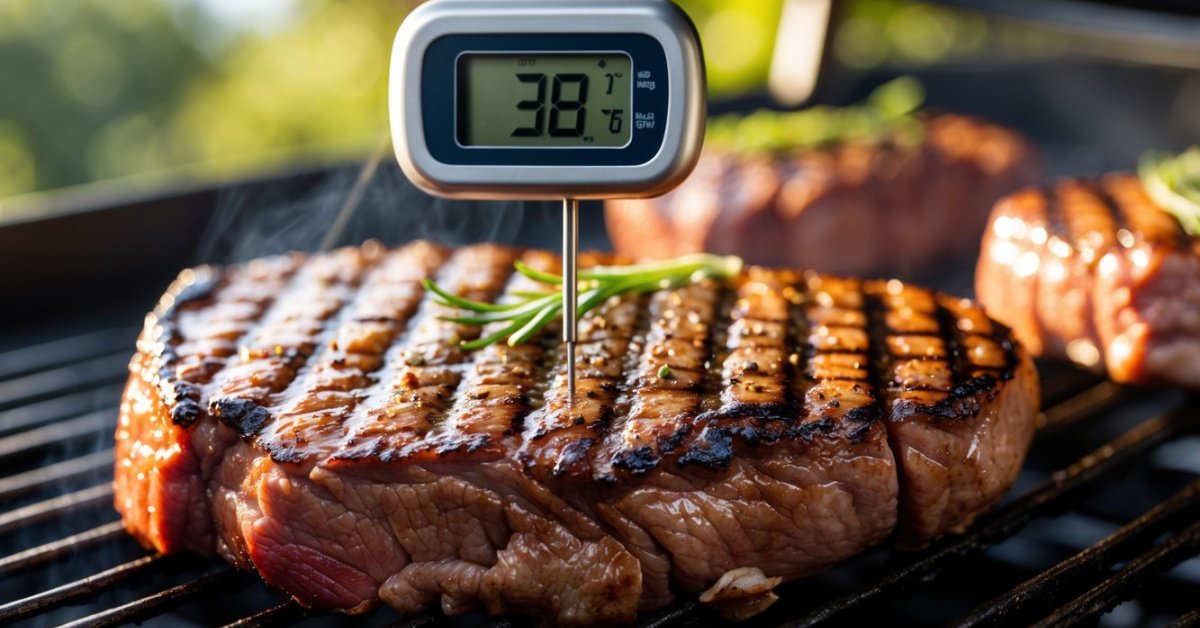
When I first started grilling with a smoker box I quickly learned that guessing the temperature just doesn’t cut it. The right thermometer makes all the difference between a perfectly smoked brisket and a dry disappointment. It’s not just about keeping an eye on the heat—it’s about taking control of the whole cooking process.
With so many thermometers out there picking the best one for grilling with a smoker box can feel overwhelming. I’ve sifted through the options and figured out what really matters. Whether you’re a weekend griller or a barbecue enthusiast like me finding the right thermometer is the first step to mastering smoked flavors.
Importance of Accurate Temperature Control in Grilling with a Smoker Box
Accurate temperature control improves smoking results when using a smoker box on a grill. Even minor shifts in temperature create noticeable changes in doneness, bark formation, and smoke flavor. I’ve seen brisket turn dry or tough just from a 15°F swing over a few hours. Unpredictable temps frustrate consistent cooking, especially for recipes that call for slow and steady heat, like ribs or pork shoulder.
Precise thermometers make it easier to target ideal internal and ambient temperatures. When I cooked at my food cart in Texas, I relied on digital dual-probe thermometers to measure both the grill zone and the center of the meat. That direct feedback cut down on guesswork and let me hit the sweet spot for juiciness, smoke ring, and tenderness—key markers of great barbecue.
Accurate readings also help keep food safe. Undercooked poultry, for example, poses health risks if it doesn’t reach 165°F internally (USDA). Surface thermometers or cheap analog models often mislead, sometimes reading up to 30°F lower than the true center temperature. Reliable digital or instant-read thermometers consistently land within 1–2°F of accuracy, which gives confidence in both taste and food safety.
Consistent temperature control supports repeatable results. When I’m testing new recipes, I compare notes on exact times and temps. Digital logs from thermometer apps let me spot patterns, tweak for moisture retention, and replicate crowd-pleasers without worry.
Smoker box grilling depends on holding those narrow temperature zones, usually 225–275°F for low-and-slow cooking. Wood chips burn too fast or too cool otherwise, which skews both smoke quality and texture. That’s why I stick with accurate thermometers and always calibrate before a big cook.
Types of Thermometers for Grilling
I test dozens of thermometers every year, since each type offers unique benefits when grilling with a smoker box. My experience shows that a single thermometer rarely serves every scenario.
Instant-Read Thermometers
Instant-read thermometers deliver quick temperature checks for meats and grilling zones. I grab these when I want fast readings on steaks, burgers, or thin pork chops. Most models, like the ThermoWorks Thermapen, show accurate readings in 2–5 seconds. I rely on instant-reads for final checks right before resting briskets or ribs, since overcooking even by 5°F changes texture noticeably.
Probe Thermometers
Probe thermometers track temperatures during long cooks, letting me monitor both the meat’s internal temp and the grill chamber. I use dual-probe units, such as the ThermoPro TP20, to smoke brisket or pork butt overnight. Continuous monitoring means I get alarms if temps drift out of my target range, so I fix issues before they affect flavor or doneness. Probes withstand hours of use inside hot, smoky grills, which suits low-and-slow Texas barbecue.
Wireless and Bluetooth Thermometers
Wireless and Bluetooth thermometers free me up to socialize or prep sides while still tracking temperatures from my phone or base unit. I’ve tested models like the MEATER Plus that send real-time data to an app, helping me watch both grill and meat temps from up to 165 feet away. These are handy when managing multiple meats, logging results for future cooks, or needing alerts while multitasking at gatherings. Bluetooth models offer strong connections even with thick steel smoker lids, as long as batteries have a full charge.
Key Features to Consider When Choosing a Thermometer
Reliable thermometer performance depends on how well features match real grilling needs. I always focus on precision, resilience, clarity, and smart upgrades to handle different smoker box grilling sessions.
Temperature Range and Accuracy
Accurate temperature readings drive every honest barbecue outcome. Thermometers for grilling with a smoker box should cover a range from around 32°F up to 572°F, handling everything from cold-smoking cheese to searing steaks. Most digital probe models I tested show accuracy within ±2°F, which prevents undercooked brisket or dry pork shoulder. Thermometers like the ThermoWorks Smoke use factory calibration for consistency, helping recipes deliver identical results each cook.
Durability and Build Quality
Strong construction carries thermometers through repeated cooks, grease splatters, and weather swings. Stainless steel probes and heat-resistant silicone cables stand up to grill use, as seen in hard-working models like the Maverick XR-40. I look for seals around joints to block smoke and moisture, especially when I leave probes inside the smoker box for several hours. Weather-resistant units last multiple seasons, even with Texas humidity or windy outdoor setups.
Ease of Use and Readability
Clear displays save time during busy cooks and prevent mistakes under pressure. Backlit screens let me check temps at dusk or during overnight smokes. Simple buttons and large digits help when I’m juggling tongs, sauce, and a crowd. Instant-read thermometers work best with single-hand operation—no fiddling while managing brisket and sausage at once. Wireless receivers with customizable alarms remind me to check meat right on cue.
Connectivity and Smart Features
Wireless connectivity transforms multitasking during big gatherings. Bluetooth and Wi-Fi thermometers link to my phone or tablet, letting me monitor pit temperatures from the porch or kitchen. Apps like MEATER’s provide charts and automatic rest timers, which I’ve found useful for precise brisket finishing. Smart thermometers also store past sessions, so I can review timing and temp swings for future cooks. These high-tech tools make learning and perfecting new recipes easier, whether I’m slow-smoking ribs or grilling quick burgers.
Top Recommendations for Thermometers with Smoker Boxes
I’ve used dozens of thermometers in my years grilling with smoker boxes, from basic analog models at my Texas food cart to state-of-the-art wireless probes at home. These picks meet my strict standards for precision, reliability, and ease of use when working with smoke-infused recipes.
Dual-Probe Digital Thermometers
- ThermoWorks Smoke X2: Dual-zone probes provide simultaneous readings at grill and meat. I’ve used them for overnight brisket and pork shoulder with steady accuracy. Its rugged construction and backlit display stay readable outdoors.
- Inkbird IBT-4XS: Four probes offer zone and multi-meat tracking, great for big cooks. Bluetooth capability sends real-time alerts to my phone, so I can mingle during cookouts.
Instant-Read Thermometers
- ThermoWorks Thermapen ONE: Sub-three second read times give instant feedback when lifing lids on a hot smoker box. My cuts always nail medium-rare with this in hand.
- Lavatools Javelin Pro Duo: High-visibility display and magnetic mount make storage easy. Its accuracy holds up over months of weekend grilling.
Wireless and Smart Thermometers
- MEATER Plus: Completely wireless probe works well with closed smoker boxes. The app tracks both internal and ambient temps, and offers rest timers. I rely on it for roasts without wires tangling near the flames.
- FireBoard 2 Drive: Cloud connectivity lets me check smoker and food temperatures from anywhere. Multiple input channels support expanded cooks like ribs, chicken, and sausages—all at once.
Rugged and Weather-Resistant Picks
- ThermoPro TP20: Water-resistant construction and strong signal excel during rainy or windy afternoons. Dual-probe flexibility suits whole birds or brisket.
- Maverick XR-50: Extended wireless range covers big backyards. Large digits remain clear during night cooks or low-light grill zones.
| Thermometer | Type | Probes | Wireless/Smart | Temp Range (°F) | Best Use Case |
|---|---|---|---|---|---|
| ThermoWorks Smoke X2 | Dual-probe digital | 2 | No | 32–572 | Brisket, pork shoulder |
| Inkbird IBT-4XS | Multi-probe digital | 4 | Bluetooth | 32–572 | Multiple meats, parties |
| Thermapen ONE | Instant read | 1 | No | -58–572 | Steaks, chops |
| Lavatools Javelin Pro Duo | Instant read | 1 | No | -40–482 | Grilled meats |
| MEATER Plus | Wireless smart probe | 1 | Bluetooth | 32–572 | Big roasts, closed box |
| FireBoard 2 Drive | Smart multi-probe | 6 | Wi-Fi/Bluetooth | 32–572 | Advanced bbq sessions |
| ThermoPro TP20 | Dual-probe wireless | 2 | RF Wireless | 32–572 | Poultry, brisket |
| Maverick XR-50 | Multi-probe wireless | 4 | RF Wireless | 32–572 | Large events, ribs |
I keep these models on hand, testing them on everything from burgers to ribs, because grilling with a smoker box demands consistency and data. Each recommendation fits different budgets and cookout styles, but all offer the accuracy and ruggedness that’s become vital for my smoke-infused recipes.
Tips for Using a Thermometer Effectively with a Smoker Box
- Place probes with care
I position the ambient probe 2 inches from the meat, not touching grates, for accurate smoker box readings. I insert meat probes into the thickest section, avoiding fat or bone, since these regions skew temperature results for brisket or ribs.
- Calibrate before every session
I check my thermometer’s accuracy with an ice water bath or boiling water before each long cook; if readings are off by even a few degrees, low-and-slow sessions can miss target doneness or food-safe thresholds.
- Avoid opening the smoker box frequently
I open my smoker infrequently during long smokes because popping the lid drops internal temperatures by 10–30°F, lengthening cook times and leading to uneven bark on pork shoulders or brisket.
- Monitor both grill and meat temperatures
I always track both pit and protein temperatures, as grill temp can fluctuate 20°F or more with wind or fuel changes, especially using wood chips with a smoker box.
- Clean probes after each cook
I wipe down probe tips with a damp cloth or disinfectant pad right after pulling them from ribs or chicken, since smoke residue or grease buildup can insulate sensors and cause slow or inaccurate readings over time.
- Use alarms and alerts
I set high and low temp alerts on my wireless or Bluetooth thermometers to react quickly to flare-ups or stalled zones; instant notification helps me adjust vents, add wood, or wrap meats without overcooking.
- Keep cables and transmitters away from direct heat
I route cables away from open flame, charcoal, or smoker box vents, preventing insulation breakdowns that would fry delicate wires or damage transmitter housings.
- Record temperatures for repeat cooks
I jot down time and temperature logs for brisket, pork butt, or chicken in a grilling notebook. Comparing smear points helps me fine-tune my process for next time and build repeatable results.
Conclusion
Finding the right thermometer for grilling with a smoker box has made all the difference in my barbecue adventures. With the right tools and a bit of practice I’ve turned unpredictable cooks into reliable crowd-pleasers every time.
Whether you’re chasing the perfect brisket or just want juicy chicken with minimal fuss a well-chosen thermometer keeps the guesswork out of the process. Trust me once you start grilling with confidence and precision you’ll wonder how you ever managed without it.


