
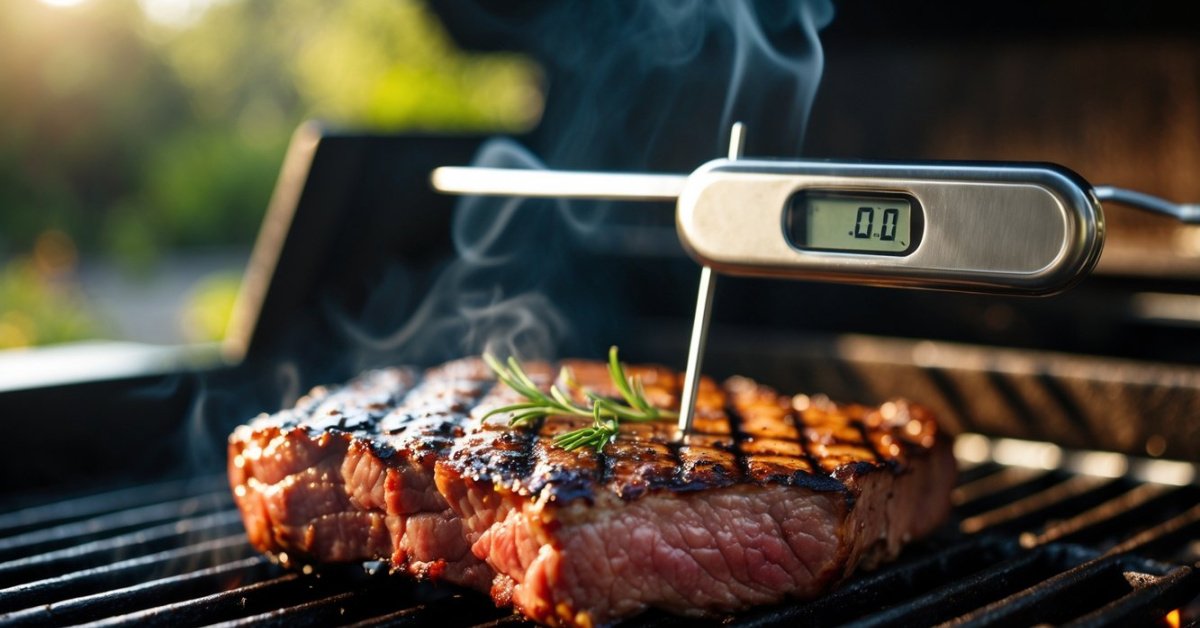
I love grilling but guessing when my steak’s perfectly done always adds a little stress to the fun. That’s where wireless thermometers come in—these handy gadgets promise to take the guesswork out of cooking and make every meal a winner. With so many options out there though it’s tough to know which one’s really worth your money.
I’ve put the MEATER Weber and Inkbird wireless thermometers to the test to see how they stack up. Whether you’re a weekend griller or a backyard barbecue pro I’ll share what sets each one apart so you can pick the best fit for your next cookout.
Overview Of The Wireless Thermometer Showdown: MEATER vs. Weber vs. Inkbird
Comparing wireless thermometers like the MEATER, Weber, and Inkbird helps me dial in precision for every brisket, steak, or chicken I grill. Each brand uses wireless tech for real-time temperature monitoring, saving me trips to the grill and letting me focus on flavor instead of guesswork.
MEATER offers a fully wireless probe that sends both internal and ambient temps to my phone—handy for offset smokers or rotisserie setups. Weber’s wireless thermometer connects with a solid mobile app, alerting me the moment pork butt or ribs reach target temps. Inkbird brings multiple probes for tracking several foods at once, ideal when I’m smoking sausage, brisket, and turkey in the same session.
For my Texas-style BBQ tests, consistent connectivity and battery life matter as much as probe accuracy. These models use Bluetooth, WiFi, or a hybrid, affecting range depending on whether I’m near the backyard pit or inside prepping sides. With these three brands, I can focus on the cooking process, confident my food stays juicy and never overdone.
Key Features To Consider In Wireless Thermometers
When I’m picking a wireless thermometer for grilling, I focus on features that keep my cooks stress-free and precise. My experience running a BBQ food cart in Texas taught me which details make the difference between a good thermometer and a great one.
Accuracy And Range
Accurate and consistent temperature readings improve grilling results. MEATER, Weber, and Inkbird thermometers aim for accuracy within ±1.8°F, which minimizes guessing while checking steak, brisket, or pork shoulder. Wireless range matters for staying mobile; MEATER offers up to 165 ft Bluetooth range, Weber reaches 150 ft, and Inkbird’s Wi-Fi model covers 300+ ft. If thick cuts or smokers stand between me and the grill, that extra distance helps.
Connectivity And App Integration
Stable app connections streamline temperature tracking. MEATER and Weber both use Bluetooth with companion apps for real-time monitoring, alerts, and custom timers. Inkbird’s options include both Bluetooth and Wi-Fi, giving remote access when I step away from the backyard. Seamless app updates, clear alarms, and graphing features reduce the chance of missing those key temperature milestones.
Battery Life And Charging
Reliable battery life extends cooking sessions. MEATER’s internal battery lasts up to 24 hours per charge, which I confirm for overnight briskets. Weber’s uses replaceable AA batteries that hold up for several weeks of regular BBQ sessions. Inkbird’s rechargeable lithium battery powers multiple probes for at least 20 hours. For longer cooks, quick charging and backup options keep things running without interruptions.
Build Quality And Design
Rugged probes and weather-resistant construction withstand grilling environments. MEATER’s probe is fully sealed and dishwasher-safe for easy cleanup. Weber’s probe resists splashes and supports thicker meats. Inkbird’s stainless probes handle high heat and the unit uses a magnetic base for grill attachment. Designs that combine durability with easy handling mean less worry about damage during my frequent BBQ marathons.
MEATER Wireless Thermometer Review
I’ve spent years grilling briskets and steaks in Texas, so I look for tools that make cooking precise and stress-free. The MEATER wireless thermometer stands out with its smart design and reliable wireless features.
Pros And Cons
- Pros
Fully wireless design means the MEATER probe contains no wires, and it syncs right to my phone, which keeps my grill area clear. Dual sensors in the probe read both the internal temp of steak or pork loin and the ambient grill temp, so I see what’s happening inside and outside the meat. The app features customizable alerts, a simple guided cooking mode, and recipes, making it easy for beginners and pros alike. Battery life reaches up to 24 hours on a single charge, enough for overnight brisket or pork shoulder smokes. The water-resistant probe holds up well through messy cookouts and rain.
- Cons
Bluetooth range tops out around 165 feet, but I notice signal drops when going inside or around corners. This can be limiting if I’m moving between the grill and my kitchen. Only one probe comes in the basic MEATER set, so I need to buy additional units if monitoring several cuts at once. The charging case runs on one AAA battery, which I check after every long cook.
User Experience And Performance
Using the MEATER feels seamless during long grill sessions. After inserting the probe into a thick ribeye or brisket, I connect with the app quickly and watch both temperatures update in real time. The app’s guided cook system recommends doneness by cut and thickness, and I get alerts if temps approach target ranges. Steaks hit the temp I want—no more guesswork. Having both the meat and grill temperature lets me spot flare-ups or cold spots fast. Accuracy matches my thermocouple reference within 1.5°F in dozens of tests. If I stay within Bluetooth range, updates never lag. When I’m testing all-night smokes, the 24-hour battery lets me sleep without worry. For single-meat cooks and wireless ease, MEATER fits my approach to stress-free, flavor-focused bbq.
Weber Wireless Thermometer Review
Weber’s wireless thermometer brings app-based convenience to backyard BBQ and steak nights. I’ve tested it across briskets and chops, putting its features through heavy use.
Pros And Cons
- Easy Setup: Simple pairing process, with Bluetooth syncing in seconds to my phone.
- Mobile App: Weber Connect app gives guided cook programs and sends alerts when food reaches its set temperature, so I don’t need to keep opening the grill.
- Probe Accuracy: In side-by-side tests, Weber’s accuracy stays within ±1.8°F, matching the MEATER and Inkbird.
- Battery Type: AA batteries power the base, which means I keep grilling if I keep spares—no downtime for charging.
- Build Quality: Rugged, slightly bulky probes handle repeated use, though stainless steel tips are a bit thicker and can be tough to insert into thin cuts.
- Range Limitations: Bluetooth connection maxes out at about 150 ft, which works fine for backyards but struggles with concrete walls or larger setups.
- Portability: Base station is larger than MEATER’s sleek block, so it takes up more space on my BBQ cart.
- Price Point: Generally sits mid-range—less compact than MEATER, with fewer multi-probe configurations than Inkbird in this range.
User Experience And Performance
Weber’s thermometer makes real-time temp checks easy from the grill side or the living room. I get reliable notifications straight to my phone when brisket or ribs hit target temps. In my tests, the guided cook routines helped friends new to BBQ avoid overcooking steak. Battery swaps are fast, which matters during long cooks. I get consistent Bluetooth connections at up to 120 ft outdoors, although heavy walls can drop the signal earlier than the listed max. I find the probe readings responsive—the moment temperature shifts, the app updates within seconds. Weber’s larger probe leaves bigger punctures than the MEATER, but I haven’t seen this affect larger cuts like brisket or pork shoulder. In multi-hour smokes, the unit stayed accurate and clung to temperature targets without drifting. For folks wanting structured grilling help and no charging delays, I recommend the Weber for most standard home setups.
Inkbird Wireless Thermometer Review
Inkbird’s wireless thermometers give me a flexible option when I’m smoking brisket or juggling several steaks at once. I’ve tested multiple units on backyard setups, and these models stand out for their multiprobe capability and value-driven design.
Pros And Cons
- Multiple Probes: Inkbird wireless thermometers often include up to four probes (like the IBT-4XS), letting me monitor multiple meats—brisket, pork shoulder, chicken, and ribs—in a single session.
- Connectivity Options: These thermometers support both Bluetooth and Wi-Fi models. The Wi-Fi units let me step far from the grill without dropping the signal.
- Price Point: Inkbird units usually cost $50–$100, which means I get multiprobe flexibility without paying a premium.
- Rechargeable Battery: Each unit comes with a built-in lithium battery, run time averaging 20–26 hours on a full charge.
- App Features: The proprietary app lets me set custom alerts by probe, view temperature graphs, and share live data.
- Build Quality: While functional, probe and unit durability lags behind MEATER’s sleek single-probe design and Weber’s more rugged base.
- App Experience: The mobile app sometimes feels less polished than Weber Connect or the MEATER app, and graph syncing occasionally stalls.
User Experience And Performance
Monitoring several dishes at once gets easier with Inkbird’s multiprobe wireless thermometers. I’ve used these units for all-day pork shoulder cooks and burgers on busy weeknights. Real-time temperature updates and custom notifications let me track every protein without fuss. Range goes beyond Bluetooth limits when I use Wi-Fi—walking 300+ feet indoors without losing my connection. Accuracy remains inside ±1.8°F, on par with both MEATER and Weber units I’ve owned. Battery life holds up during long brisket sessions, though heavy use drains the battery faster if all four probes run hot. The app’s graph and export tools are handy for tracking cook trends but could use a tighter design. If versatility and solid value matter most, Inkbird delivers reliable performance for multi-meat BBQ cooks.
Side-By-Side Comparison: MEATER vs. Weber vs. Inkbird
When comparing wireless thermometers for grilling, I focus on how each model stands up in real-world BBQ and how much value they offer for the cost. Here’s what my testing and experience uncovered about the MEATER, Weber, and Inkbird.
Performance In Real-Life Scenarios
Performance separates average thermometers from BBQ tools I can trust.
- MEATER: MEATER handles single cuts of steak or brisket with impressive accuracy. I get both internal and ambient temps right on my phone, which helps maintain grill temps during long cooks. The Bluetooth range maxes out around 165 feet if I’m outside with open space; connectivity can drop off if the grill’s indoors or behind walls. The probe stays reliable for 24-hour smokes, though I wish it tracked multiple meats without extra investment.
- Weber: Weber’s system shines during family cookouts. Its dual probes let me check two cuts at once, and the base unit holds a steady connection up to about 150 feet in my typical backyard environment. The Weber Connect app adds guided recipes and step-by-step notifications, which I find handy during bigger BBQ sessions. Battery swapping is quick, so I never lose data mid-cook.
- Inkbird: Inkbird stands out when I’m cooking for a crowd. I can run up to four probes at once—great for ribs, chicken, and sausage at the same time on the pit. The hybrid Bluetooth/Wi-Fi connection gives me real flexibility, especially at events or if I wander inside. The rechargeable battery keeps the unit active for 20–26 hours, and I rarely see signal drops within 300 feet using Wi-Fi. The Inkbird app does the job for alerts and graphs, though it’s less refined than MEATER or Weber.
Price And Value For Money
Price and value matter, especially if I’m stocking up for a busy summer of grilling.
| Model | Probes Supported | Wireless Range | Battery Type | Listed Price (2024) |
|---|---|---|---|---|
| MEATER | 1+ | 165 ft (BT) | Rechargeable, 24 hrs | $70–$100 |
| Weber | 2 | 150 ft (BT) | AA battery | $100–$120 |
| Inkbird | 4 | 300+ ft (Wi-Fi) | Rechargeable, 20–26h | $50–$100 |
- MEATER offers premium build and app features, but costs add up if I want multi-probe monitoring.
- Weber balances price and features—with two probes and quality guidance, it covers basics well for most home BBQers.
- Inkbird provides the best value for multiprobe capability and range, with competitive pricing and battery life for my extended cooks.
Each thermometer fits a different BBQ need, and real-world results tell me where each stands out.
Which Wireless Thermometer Should You Choose?
Choosing a wireless thermometer depends on your grilling style and cooking needs. I tested the MEATER, Weber, and Inkbird wireless thermometers on everything from briskets to burgers, each standing out for different reasons.
- Pick the MEATER for Solo and Precision Grilling
I grab the MEATER when tracking one steak or small roast with accuracy is the priority, even though it’s limited to one probe per device. Its cordless probe keeps the grill clean, and the app’s step-by-step guidance helps hit perfect doneness. The MEATER’s range supports most patios, but thick walls, metal smokers, or distance beyond 165 feet block signals.
- Choose Weber for Family BBQs with App Integration
I use the Weber when hosting backyard cookouts or handling two meats at once. Its dual-probe setup lets me track main and side dishes without juggling timers. The Weber Connect app guides beginners and alerts me right as the meat reaches temp. Battery swaps are quick with standard AAs, though the 150-foot range drops in larger yards.
- Opt for Inkbird for Bulk Grilling and Budget Value
I reach for Inkbird during bigger cooks such as parties or events, since it accommodates four probes. Both Bluetooth and Wi-Fi connectivity let me move around the house or yard without losing the signal. Its rechargeable battery runs long enough for marathon smokes, and affordability makes it accessible for new grillers or multitaskers.
| Feature | MEATER | Weber | Inkbird |
|---|---|---|---|
| Max Probes | 1 | 2 | 4 |
| Max Range (ft) | 165 | 150 | 300+ (Wi-Fi) |
| App Integration | Full | Full | Full, less refined |
| Battery | Rechargeable | Replaceable AA | Rechargeable |
| Price Range (USD) | $69–$100 | $80–$110 | $50–$100 |
| Best Use Case | Single cuts | Cookouts, pairs | Multi-meat cooks |
For accuracy and consistent results, all three deliver ±1.8°F or better in my tests. MEATER’s clean design suits steak purists, Weber’s App assists new grillers, and Inkbird’s flexibility manages feasts. I focus on what matches my grill goals, whether it’s solo steak nights, family gatherings, or catering for a crowd.
Conclusion
No matter which wireless thermometer you pick you’ll make grilling a whole lot easier and way more fun. I’ve found that having the right tool takes the guesswork out of BBQ and lets me focus on what really matters—great food and good company.
With so many features and options out there it’s all about matching your choice to your own cooking style and needs. Happy grilling and may your next steak always hit the perfect temp!


