
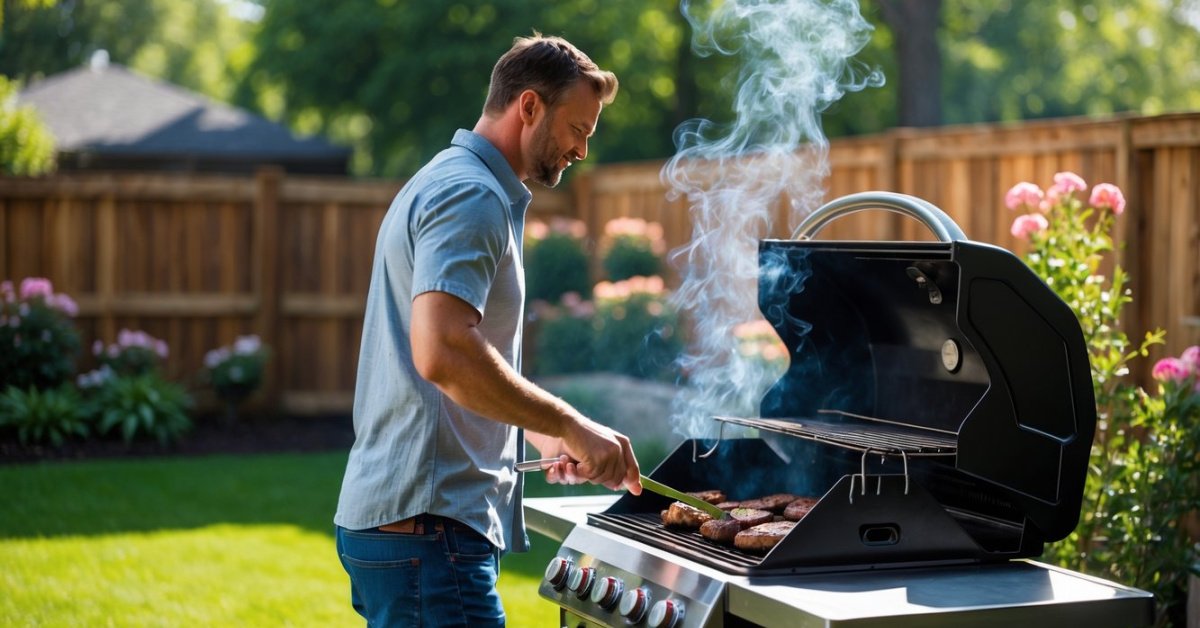
Grilling’s one of my favorite ways to cook but I’ll admit I don’t love hovering over the flames the whole time. I want to relax with friends or enjoy a cold drink while the food sizzles. That’s where a wireless thermometer comes in handy and completely changes the game.
With a wireless thermometer I can keep an eye on the temperature without ever lifting the grill lid or leaving my seat. It’s the secret to juicy steaks and perfectly cooked chicken—no more guessing or poking at the meat. Hands-free grilling lets me focus on the fun and the flavors without any of the stress.
What Is a Wireless Thermometer for Grilling?
A wireless thermometer for grilling sends real-time temperature updates from the probe in the grill to a remote receiver or your phone. I use these gadgets to check internal meat temps—from brisket to chicken—without opening the grill. A typical wireless thermometer features one or more metal probes, a transmitter that sits by the grill, and a receiver or app that shows the exact temp from up to 300 feet away.
I find that wireless grilling thermometers work for gas, charcoal, and pellet grills. Brands like ThermoPro, Meater, and Weber Connect offer options with Bluetooth or Wi-Fi connectivity. Many models let me monitor multiple meats or different grill zones at once, keeping tabs on every rack of ribs or whole turkey.
These thermometers display current and target temps, giving audio or app alerts when food’s done. My experience shows this tech removes guesswork, saves time, and allows me to enjoy grilling without staying glued to the grill.
Key Features of Wireless Thermometers
Wireless thermometers bring precision and freedom to outdoor cooking. I test a lot of models to find what truly matters for effective grilling.
Temperature Accuracy
Reliable wireless thermometers always provide precise readings. I look for models with probes sensitive enough to detect minor changes in internal meat temperatures. Brands like ThermoPro and Meater usually list accuracy within ±1.8°F, which keeps briskets, steaks, and pork shoulders cooked to exact doneness. Consistent accuracy helps me avoid undercooking or drying out delicate cuts like salmon or chicken breasts.
Wireless Range and Connectivity
Effective wireless thermometers maintain stable connection between grill and receiver. Most Bluetooth models cover 100-165 feet, letting me step into the house or gather with guests. Some Wi-Fi-enabled versions like Weber Connect push that range further, so I can monitor the cook from virtually anywhere. Reliable connectivity means no dropped signals, even when I’m chasing after kids or chatting with friends a few rooms away.
App Integration and Alerts
Useful wireless thermometers integrate with apps for real-time updates and programmable alerts. I favor devices that sync easily with my phone and let me set personalized temperature targets for different meats—like ribs vs. burgers. Smart notifications alert me the moment brisket reaches 203°F, so I never miss the sweet spot. App interfaces on ThermoPro and Meater highlight current temps, cook history, and even provide recipe tips, making every cook easier and more enjoyable.
Benefits of Using a Wireless Thermometer for Hands-Free Grilling
Using a wireless thermometer instantly changes how I approach hands-free grilling. It lets me step away from the grill, keep tabs on my meats, and trust I’m serving up the best results every time.
Convenience and Mobility
Wireless thermometers boost my grilling convenience by sending live temperature data right to my phone or remote receiver, freeing me from hovering over the grill. I move around, prep sides, or join backyard conversations while still monitoring ribs, brisket, or steaks. Devices like Meater and ThermoPro let me manage different meats with a tap, so multitasking—like checking chicken wings and pork belly at the same time—becomes seamless.
Enhanced Cooking Precision
Accurate temperature readings from wireless thermometers guarantee the results I want, whether I’m targeting a medium-rare finish or perfect pulled pork shred. App-integrated alerts signal when my meat reaches set temps, so I skip guessing and stick to data. Models I’ve tested hold within one or two degrees of accuracy, even during long cooks, and help me master challenging recipes like smoked sausage or reverse-seared tomahawk steaks.
Improved Safety
Wireless monitoring helps prevent flare-ups and reduces the risk of undercooked or overcooked food, improving grill safety. I avoid repeatedly opening the grill, which maintains steady heat and keeps my hands away from high heat and flare zones. Alerts for sudden temperature drops or spikes notify me fast, so I adjust before anything burns or dries out, making backyard grilling safer for both me and my guests.
How to Use a Wireless Thermometer for Hands-Free Grilling
Using a wireless thermometer changes the way I grill. The right setup makes it easy to check temps from anywhere, so I can enjoy backyard time and still serve perfect BBQ.
Setting Up the Device
I always start setup before lighting the grill. First, I insert the metal probe directly into the thickest part of the meat, away from bone or fat, since this spot gives the most accurate reading. I attach the transmitter outside the grill, making sure it won’t melt from direct heat. With Bluetooth or Wi-Fi thermometers like ThermoPro or Meater, I sync the device to my receiver or smartphone app, which takes about 1-2 minutes. I double-check the connection strength, especially if I’m grilling at a distance or have walls between me and the grill.
Monitoring Temperatures Remotely
Monitoring temps remotely keeps my grilling hands-free, letting me step away for prep or relaxing. Once the meat’s on the grill, I let the thermometer send updates straight to my receiver or phone. I set preferred doneness targets, for example, 145°F for pork loin or 130°F for medium-rare ribeye. The app displays real-time temps and sends me a notification as soon as the meat hits the set goal. If I’m grilling different cuts, I use multiple probes to track each one, switching between zones in the app. This setup lets me walk around, talk with friends, or work on sides, knowing I’ll get an instant alert if anything needs attention.
Tips for Optimal Results
Several tips improve results when grilling with a wireless thermometer. I always calibrate my thermometer occasionally using ice water or boiling water tests, to confirm its accuracy. I avoid letting wires touch direct flame, since high heat can damage the probes. I clean probes immediately with hot, soapy water to prevent buildup and cross-contamination, which keeps readings precise. When using multiple probes, I always label each one or track positions in my app to avoid mix-ups. I rely on my thermometer for internal temps but let the meat rest after cooking, so juices distribute before serving. This method—combining wireless monitoring, careful placement, and accurate targets—delivers juicy brisket, tender chicken, and everything else I throw on the grill.
Popular Wireless Thermometer Options to Consider
When I test wireless grill thermometers, I look for accuracy, range, build quality, and app functionality. Over years of cooking Texas briskets and all-day pork shoulders, I’ve found a few standout options that consistently deliver hands-free grilling results.
- ThermoPro TP25
ThermoPro TP25 uses Bluetooth connectivity with a range up to 500 feet, according to ThermoPro. It features four color-coded probes—ideal for tracking multiple meats like ribs, chicken thighs, and brisket. The companion app offers custom temp presets and real-time alerts that sync to your phone.
- Meater Plus
Meater Plus has a completely wireless single probe design, so I never worry about tangled wires. The probe monitors both internal meat and ambient grill temperatures. With Bluetooth up to 165 feet, the Meater app provides guided cooks and cloud connectivity for long-range monitoring.
- Weber Connect Smart Grilling Hub
Weber Connect Smart Grilling Hub works with up to four wired probes and syncs with a Wi-Fi & Bluetooth-enabled app. I like the step-by-step digital grilling assistant, which helps with thicker cuts like pork loin or bone-in turkey breast. Timers and doneness notifications simplify multitasking during cookouts.
- Inkbird IBT-4XS
Inkbird IBT-4XS Bluetooth thermometer manages up to four probes with a reliable 150-foot range. The rechargeable battery saves money on replacements, and the app provides clear readings and alerts. Its magnetic base makes attaching to any smoker or grill easy.
When comparing these grilling thermometers, I focus on real-world testing:
- Monitoring brisket for 12+ hours
- Simultaneously tracking steaks and sausage
- Navigating mixed grill zones for offset smokers
| Model | Connectivity | Probes | Max Range | Standout Feature |
|---|---|---|---|---|
| ThermoPro TP25 | Bluetooth | 4 | 500 ft | Broad multi-meat tracking |
| Meater Plus | Bluetooth | 1 | 165 ft | 100% wireless dual-sensor probe |
| Weber Connect | Wi-Fi/Bluetooth | 4 | Wi-Fi Dep. | Step-by-step grilling guidance |
| Inkbird IBT-4XS | Bluetooth | 4 | 150 ft | Magnetic base & rechargeable batt |
I’ve used all four to cook everything from 16-pound packer briskets to delicate wild-caught salmon. For new grillers or seasoned pitmasters, these models keep grill lid-checking to a minimum and put more flavor in every bite.
Potential Drawbacks and Limitations
Wireless thermometer performance depends on signal range and grill setup. Walls, distance, or thick metal can block Bluetooth or Wi-Fi signals, restricting coverage to as little as 100 feet for Bluetooth models. I notice signal interruptions most often when grilling in my backyard near large smokers or inside steel-framed outdoor kitchens.
Accuracy declines with improper probe placement or device calibration. Some budget models I’ve tested can drift 2-6°F compared to commercial-grade thermometers—especially if exposed to direct flame or rapid temperature swings.
Battery life varies, too. Rechargeable models like Meater Plus last about 24 hours per charge, but others require frequent battery changes, which interrupts use during long cooks like brisket or pork shoulder.
Moisture resistance isn’t consistent across models. While top options handle grill humidity and occasional splashes, cheaper units show wear or fail after repeated cleanings or exposure to rain.
App connectivity isn’t flawless. Even high-end app-integrated thermometers occasionally disconnect or lag, particularly during updates or with older smartphones.
Advanced features add learning curves. Some users find programmable targets, multi-zone tracking, and app integration overwhelming at first, especially if they’re more familiar with analog thermometers.
Replacement probes and parts tend to be expensive or hard to find. When I accidentally kink a probe cable or lose a receiver, chasing down parts from some brands gets frustrating.
Dependence on external devices means grilling becomes challenging if a phone battery drains or the app crashes mid-cook, leaving me without temperature updates until I resolve the issue or switch to a backup method.
Conclusion
Grilling should be about good food and great company—not constant worry over doneness or missed moments. With a wireless thermometer in my toolkit I can focus on what matters most while still nailing every cook.
If you love grilling as much as I do and want more freedom around the grill this gadget is worth a try. It’s made my backyard barbecues more relaxed and a lot more fun.


