
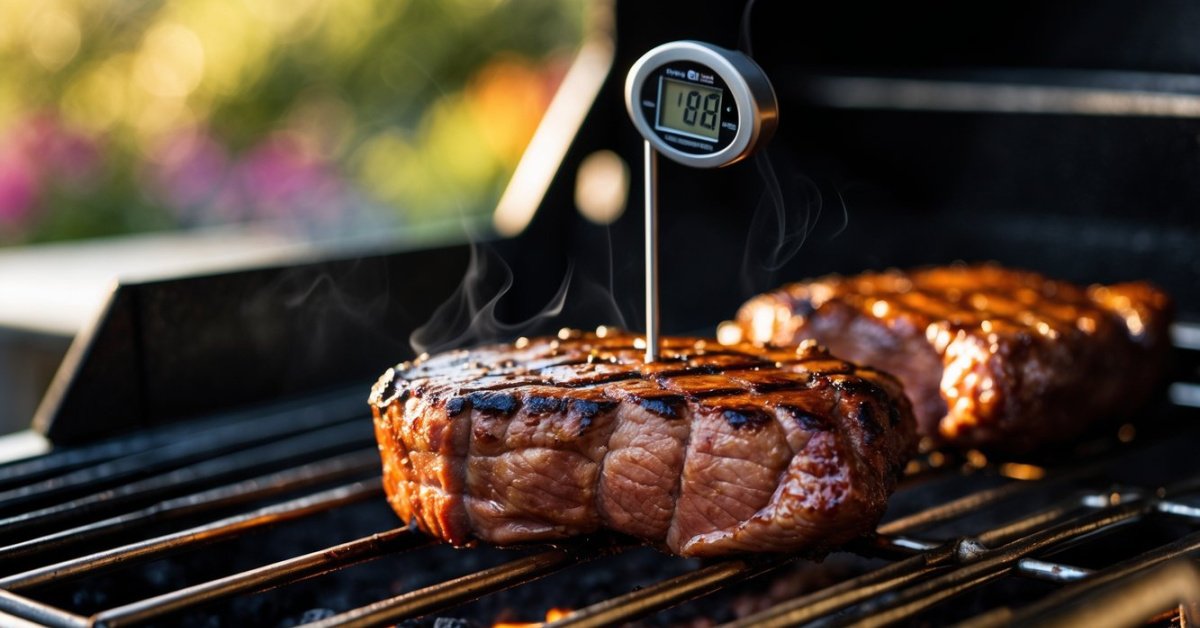
There’s nothing quite like the smell of smoked meat drifting through the backyard. I love the anticipation that builds as the flavors deepen and the hours tick by. But I’ve learned the hard way that getting that perfect, juicy brisket or tender ribs isn’t just about patience—it’s about precision.
That’s where a good thermometer comes in. I used to rely on guesswork and old tricks, but once I started using a quality thermometer, my results changed completely. If you want to take the stress out of smoking and get mouthwatering meat every time, finding the right thermometer is a total game changer.
Why a Good Thermometer Matters for Smoking Meat
Accurate temperature readings play a crucial role in smoking meat. I rely on precise readings to hit target temperatures for brisket, ribs, and pork shoulder. Meat stays juicy and tender if I don’t let it overcook, but only true internal readings, not guesswork, guarantee this outcome.
Consistent results depend on using a quality thermometer. I get the same excellent bark and smoke ring time after time when my thermometer catches even minor fluctuations in pit or meat temps. Thermometers with real-time monitoring, like digital probes, make it easy for me to adjust the airflow or add wood chips as needed.
Food safety improves significantly with a reliable thermometer. Undercooked meats, especially poultry and pork, can carry bacteria like Salmonella or Trichinella. The USDA recommends cooking pork and beef to at least 145°F and poultry to 165°F. A good thermometer lets me confirm those numbers before serving.
Efficient smoking and less fuel waste come from timely, accurate readings. I avoid unnecessary fire adjustments or opening the smoker too often, which prevents heat loss. Reduced guesswork means my smoking sessions run smoother, with less babysitting and more focus on flavor.
Key Features to Look for in a Meat Thermometer
Finding the right thermometer changes the way I grill and smoke meat at home. Key specs and functions boost result consistency, safety, and flavor every time.
Accuracy and Response Time
Precise and fast temperature readings build trust in a grilling session. Most top thermometers I test give readings within ±1.8°F in 2-5 seconds, which lets me pull briskets right at the stall or chicken before it dries out. Models from brands like ThermoWorks and ThermoPro display accuracy certifications, keeping temp checks reliable.
Wireless vs. Wired Options
Wireless thermometers let me roam the yard or host friends without hovering over the pit. Sets from Meater or Inkbird use Bluetooth or Wi-Fi to send real-time temps right to my phone, fitting long-low cooks or multitasking. Wired thermometers, like classic digital probes from Taylor, give constant, direct readings at the grate or inside meat but usually stay tethered to the smoker.
Temperature Range and Probes
Wide temperature ranges, usually from 32°F to 572°F, fit both delicate salmon and high-heat searing. Multiple probe support means I can track beef, pork, and pit temp at once with dual or quad-probe models. Replaceable or color-coded probes simplify juggling recipes and cuts.
Durability and Build Quality
Tough thermometers stand up to smoke, drops, and greasy hands. Waterproof or water-resistant ratings (like IP67 on certain ThermoWorks models) defend against rain and spills. Stainless steel probes hold up to repeated cooks and washes. Magnetic backs, rubber seals, and hard-shell housings make the best units last years, even with all the tailgates and backyard cookouts I put them through.
The Best Thermometers for Smoking Meat at Home
I’ve tested dozens of thermometers across countless briskets, racks of ribs, and pork shoulders. Performance and reliability make all the difference in this hobby. Below, I’m listing the top-performing thermometers for smoking meat, each tailored to a different need or budget.
Best Overall Thermometer
ThermoWorks Smoke X delivers what matters during long smoking sessions: precise accuracy, long battery life, and rugged construction. I get readings within ±1.8°F and can track both pit and meat temps with dual probes. A powerful wireless receiver keeps me updated up to 6,500 feet away. For consistent results and smooth workflow, this has outperformed every other model I’ve tried.
Best Budget Option
ThermoPro TP-16 provides dependable performance at an affordable price. I use it for quick backyard smokes, as its probe is accurate within ±2°F and setup takes less than a minute. An easy-to-read LCD and simple temperature alarms cover essentials without extra cost. For under $20, this is the thermometer I recommend to beginners and casual grillers.
Best Wireless Thermometer
MEATER Plus makes moving around seamless while smoking. With no wires and a Bluetooth range of up to 165 feet, I prep sides indoors or relax in the yard without losing track of my cook. The companion app sends real-time alerts and estimates completion times based on the thermal algorithm. If you want total freedom from wires, this device sets the standard for wireless BBQ monitoring.
Best Multi-Probe Thermometer
Inkbird IBT-4XS holds up when I smoke several cuts or need both grill and meat probes. Four color-coded probes let me monitor brisket, ribs, chicken, and ambient temperature together. The Bluetooth connectivity and magnetic base keep my setup clean and organized. Its companion app displays every probe’s data and lets me save historical sessions. For smokers handling multiple meats, this tool proves invaluable.
Best Instant-Read Thermometer
ThermoWorks Thermapen ONE remains my fastest tool for spot-checking doneness. When I need to check temps in thick brisket or juicy chicken thighs, this probe delivers an accurate reading in just 1 second. The rotating display works in any orientation, and waterproof construction stands up to drips and splashes at the grill. I always keep this in my pocket for quick, confident temp checks during every cook.
Tips for Using Your Meat Thermometer Effectively
Check thermometer calibration before every smoke to ensure accuracy. Store-bought ice water provides a 32°F baseline while boiling water hits 212°F at sea level. I rely on these quick checks before each cook, since minor calibration issues can throw off results.
Insert the thermometer into the thickest part of the meat, because direct contact with bone or fat gives false readings. For brisket and pork shoulder, I pierce the densest center sections, avoiding gristle and bone to get precise temperatures every time.
Monitor temperatures without constantly opening the smoker, since frequent lid checks drop internal heat and extend cook times. I use remote or wireless thermometers when multitasking, letting me check temps without lost smoke or heat.
Clean probes thoroughly after each use, since fat and smoke residue build up fast on BBQ gear. I wipe down every probe with a damp towel and sanitize it between smokes, which prevents lingering flavors and bacteria.
Rotate larger cuts once or twice mid-cook if consistent readings are needed, since smokers produce hot and cool zones. I sometimes move racks or rotate briskets when readings from multiple probes show temperature differences.
Check for doneness by aiming for target internal temperatures, not just time or color alone. USDA recommends 145°F for pork loin or steak, 165°F for chicken, and 195–205°F for brisket or pulled pork. I trust the thermometer numbers, since appearance and time often mislead even seasoned pitmasters.
Let meat rest while monitoring the temperature carryover, since larger cuts gain 5–10°F after pulling. I use the thermometer to confirm that resting doesn’t cause overcooking, reserving juiciness for every bite.
Store your thermometer safely between sessions, since knocks or drops can throw off calibration. I keep mine in a cushioned drawer in my outdoor kitchen, always ready for the next grilling challenge.
Conclusion
Choosing the right thermometer has truly made my smoking sessions more enjoyable and stress-free. With the right tool in hand I can focus on what I love most—crafting mouthwatering barbecue for friends and family.
No matter your experience level a reliable thermometer is a game-changer that brings confidence and consistency to every cook. Happy smoking and may your next brisket or rack of ribs turn out just the way you like it!


