
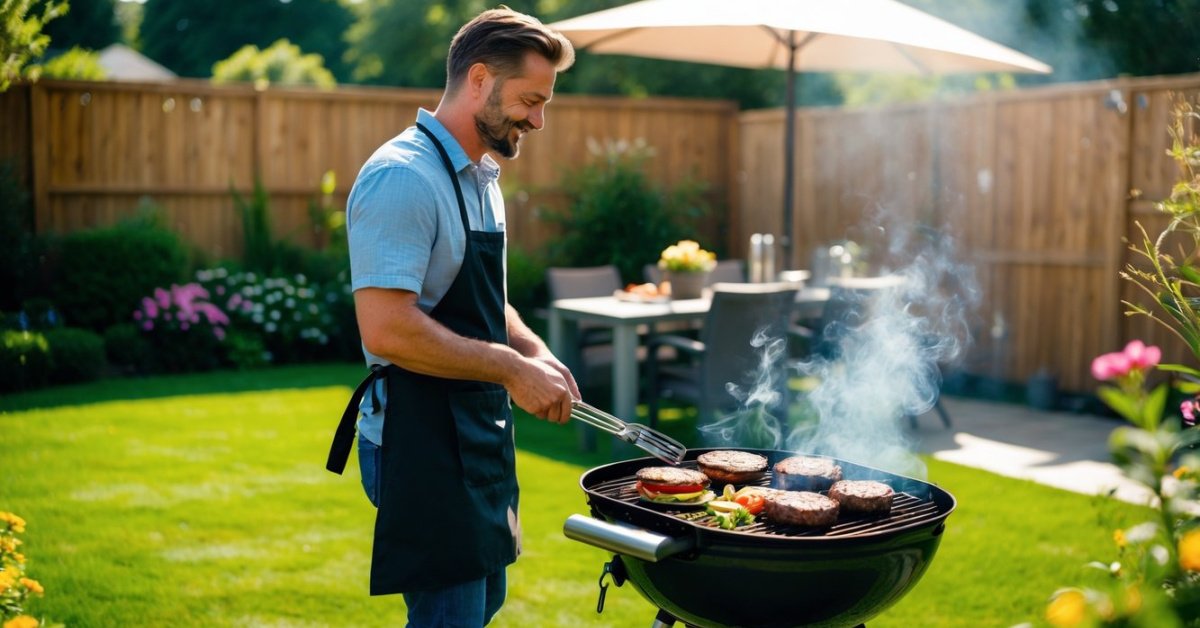
Grilling vegetables always sounds easy until I end up with some pieces burnt while others are barely cooked. I used to think it was just part of the process but then I discovered how much a simple thermometer could change my grilling game. Suddenly I could say goodbye to guesswork and hello to perfectly cooked veggies every time.
I never realized how much control I could have over texture and flavor just by checking the temperature. It’s not just for meat—using a thermometer for vegetables makes grilling so much more fun and stress-free. Now I can relax and focus on enjoying the process instead of worrying about uneven results.
Why Grilling Vegetables Evenly Matters
Even grilling creates consistent texture in vegetables, which means no more bites that are burnt and bitter or raw and crunchy. I’ve seen how an uneven grill can ruin flavors quickly, whether it’s bell peppers with charred skin and cold insides or zucchini with tough spots. Proper technique keeps flavors balanced, letting spices and marinades complement every part of the vegetable.
Even heat distribution locks in nutrients better, according to the USDA, with less chance for the high temps that destroy vitamins in overexposed spots. That boosts color, taste, and nutritional value at the same time.
Careful temperature control builds trust with guests when running a bbq cart or hosting backyard events. Perfectly grilled veggies signal attention to detail, which improves the meal’s overall reputation. I’ve found that using a thermometer not only avoids guesswork but also lets me reproduce winning results recipe after recipe.
Consistently grilled vegetables add visual appeal, enhancing any plate’s presentation, from platters at big gatherings to side dishes for a family dinner. Each slice looks appetizing and professional, building anticipation before anyone takes a bite.
Challenges of Grilling Vegetables
Grilling vegetables evenly presents obstacles due to their varied textures and moisture levels. I notice bell peppers, mushrooms, and zucchini require different heat levels since each type softens, chars, or releases water at distinct rates. Slicing thickness impacts how quickly pieces grill too—thinner asparagus spears overcook in 1–2 minutes while denser carrot slices can still taste raw after 8 minutes.
Direct heat causes hot spots across grilling grates. I find vegetables placed even 1 inch apart can develop uneven browning and inconsistent doneness. Sugars inside onions or tomatoes burn fast at high temperatures above 375°F, but potatoes and denser roots don’t caramelize properly unless the interior reaches that same temp.
Marinades and oil coatings create sticking and flare-ups. After brushing olive oil on eggplant, I watch flames char the surface long before the inside turns soft. If I scatter vegetables too close together, released water turns the grill from searing to steaming, resulting in limp textures.
Wind, grill lid position, and even different brands of charcoal or gas grills each introduce new variables. With every batch, I adjust for these conditions to avoid unpredictable results, even after over a decade behind a Texas food cart. Recognizing these vegetable grilling challenges, I rely on precise thermometers to dial in the perfect doneness every time.
The Role of a Thermometer in Grilling
I’ve grilled hundreds of veggie skewers, kabobs, and steaks, and nothing beats the control a good thermometer gives me. With vegetables, hitting precise internal temperatures keeps texture consistent and prevents overcooking.
How a Thermometer Works with Vegetables
Thermometers measure internal temperature, giving instant feedback on doneness for ingredients like asparagus, mushrooms, and bell peppers. For example, I aim for 190–205°F (88–96°C) on root vegetables, 170–185°F (77–85°C) for squash, and 165–170°F (74–77°C) for peppers so they soften without turning mushy. Probing a veggie’s thickest section ensures all pieces reach ideal doneness, regardless of their shape or sugar content. When I quickly check temps, I also avoid repeatedly opening the grill, which maintains stable cooking conditions.
Types of Thermometers Suitable for Grilling
Several grill thermometers help with veggie cooking:
- Instant-Read Digital Thermometers: I rely on models like the ThermoWorks Thermapen ONE or Lavatools Javelin PRO for rapid, spot checks. These provide a reading in 3–4 seconds—essential when I’m moving hot skewers or grill baskets.
- Probe/Leave-In Thermometers: Probes like the ThermoPro TP-20 or Weber iGrill mini let me monitor ongoing internal veggie temps with the grill lid closed, which is helpful for thick potatoes or squash halves.
- Infrared Surface Thermometers: Brands such as Etekcity or ThermoPro give surface temp readings, helping me judge grill grate heat and avoid hot spots that char delicate items like tomatoes.
Each thermometer type plays a unique role, and testing different models lets me tailor my grill setup for every vegetables recipe.
Step-By-Step Guide to Using a Thermometer to Grill Vegetables Evenly
I use a grilling thermometer on every batch of vegetables I grill. Mastering this simple step lets me get restaurant-level texture and color from any veggie I throw over hot coals.
Preparing Your Vegetables and Grill
I always start by choosing vegetables of similar size and thickness for the grill—carrot sticks, squash slices, or cauliflower steaks make it easier to hit consistent temperatures. I pat each piece dry to avoid steaming, then toss with a light coat of oil and the right blend of seasonings. My grill comes up to 400–450°F for most veggies—medium-high heat gives solid sear marks without burning delicate edges. If I’m cooking on grates, I clean and oil them well to keep pieces from sticking.
Monitoring Temperatures for Perfect Doneness
I use an instant-read digital thermometer to get quick, accurate readings. I insert the probe into the thickest part of each vegetable piece to check doneness. For root vegetables (potatoes, carrots), I aim for 190–205°F inside. For tender vegetables like peppers or mushrooms, I look for 165–170°F. I check every few minutes once I’m five degrees from the target, flipping or moving pieces to cooler or hotter grill zones as needed to even out cooking. I remove each batch right at the perfect temperature to keep the bite and natural sweetness.
Tips for Different Vegetable Types
I’ve learned that denser vegetables—examples like beets, sweet potatoes—respond best to a two-zone setup, with a sear over direct heat and a finish over indirect heat. Hollow vegetables—examples like bell peppers, jalapeños—grill evenly when I monitor both interior and skin temperatures. Mushrooms and zucchini cook fast, so I watch closely and use thinner slices or grill baskets for control. I always space veggies apart so steam escapes and browning stays even. With each vegetable type, I tweak my thermometer placement and timing for the best texture every time.
Pros and Cons of Using a Thermometer on the Grill
Using a thermometer on the grill brings reliability to vegetable grilling, though it comes with distinct advantages and some trade-offs.
Pros of Grilling Thermometers with Vegetables
- Achieving Consistency: I get even doneness in every veggie batch, which makes repeat recipes reliable. Grilled bell peppers and asparagus taste identical across grilling sessions with proper temperature checks.
- Preventing Overcooking: I avoid mushy zucchini and burnt mushrooms by monitoring internal temps throughout the cook. Each veggie type—like onions at 180°F and carrots at 200°F—hits the ideal tender-crisp stage.
- Building Confidence: I trust the process more with quantifiable results. Guests expect properly cooked, vibrant vegetables at cookouts and BBQ events, and thermometers help me meet that standard.
- Enhancing Food Safety: I reduce the risk of undercooked foods by ensuring that thicker veggies—like potatoes and squash—reach safe temperatures before serving.
Cons of Grilling Thermometers with Vegetables
- Slowing Down the Process: I spend extra time checking temps, which can interrupt the flow when grilling large batches of mixed veggies for a group.
- Managing Delicate Textures: I pierce smaller or softer vegetables, which can release juices or affect presentation. Tomatoes often end up slightly deflated after a few probe checks.
- Maintaining Equipment: I keep the thermometer clean between uses to avoid cross-flavor transfer, especially between heavily seasoned veggies and milder ones.
- Dealing with Inaccuracy: I encounter issues if I don’t insert the probe deep enough into thick vegetables—like eggplant slices—or if I use surface thermometers for internal checks.
Using these thermometers shapes every aspect of my grilling approach, from selecting the right tools for each vegetable to adapting my workflow around quick, precise temperature checks. My passion for grilling gets elevated by tech, as long as I balance efficiency and precision on every cookout.
Recommended Thermometers for Grilling Vegetables
Choosing the right thermometer for grilling vegetables improves control over doneness and texture. I’ve tested dozens of thermometers at my old Texas food cart and during countless backyard sessions. These tools create consistent results across all veggie types.
Top Thermometer Types I Rely On
- Instant-Read Digital Thermometers
Fast readings and simple operation make instant-read models ideal for quick checks during grilling. Brands like ThermoWorks Thermapen ONE and Lavatools Javelin PRO Duo deliver accurate results within 2–3 seconds. I use these for most veggies, including bell peppers and asparagus, to avoid overcooking.
- Leave-In Probe Thermometers
Continuous monitoring features in leave-in probe designs allow precise tracking of internal temperature without lifting the grill lid. ThermoWorks Dot and Weber iGrill Mini help when grilling dense vegetables such as potatoes or sweet potatoes, since even heat penetration is critical.
- Infrared Thermometers
Infrared options such as the Etekcity Lasergrip 1080 measure grill surface temperatures without direct contact. Accurate surface readings ensure even searing and proper heat zones before laying vegetables like mushrooms or squash.
Side-by-Side Comparison
| Thermometer Type | Best For | Example Models | Response Time | Use Case |
|---|---|---|---|---|
| Instant-Read Digital | Quick temp checks | Thermapen ONE, Javelin PRO Duo | 2–3 seconds | Peppers, zucchini, asparagus |
| Leave-In Probe | Continuous monitoring | Weber iGrill Mini, ThermoWorks Dot | Real-time | Potatoes, beets, root vegetables |
| Infrared | Surface temp checking | Etekcity Lasergrip 1080 | Immediate | Grill grates, eggplant slices |
Choosing reliable thermometers creates confidence in grilled veggies and improves the entire barbecue experience. I keep at least two types handy for every session to handle every vegetable and grill setup I try.
Conclusion
Grilling vegetables has become so much more enjoyable for me now that I rely on a thermometer. I love knowing I can serve veggies that look great and taste even better without the stress of guessing doneness or worrying about uneven results.
If you’re aiming for perfectly cooked vegetables every time, adding a thermometer to your grilling toolkit is a simple way to boost your confidence and impress your guests. It’s one of those small changes that makes a big difference at every barbecue.


