
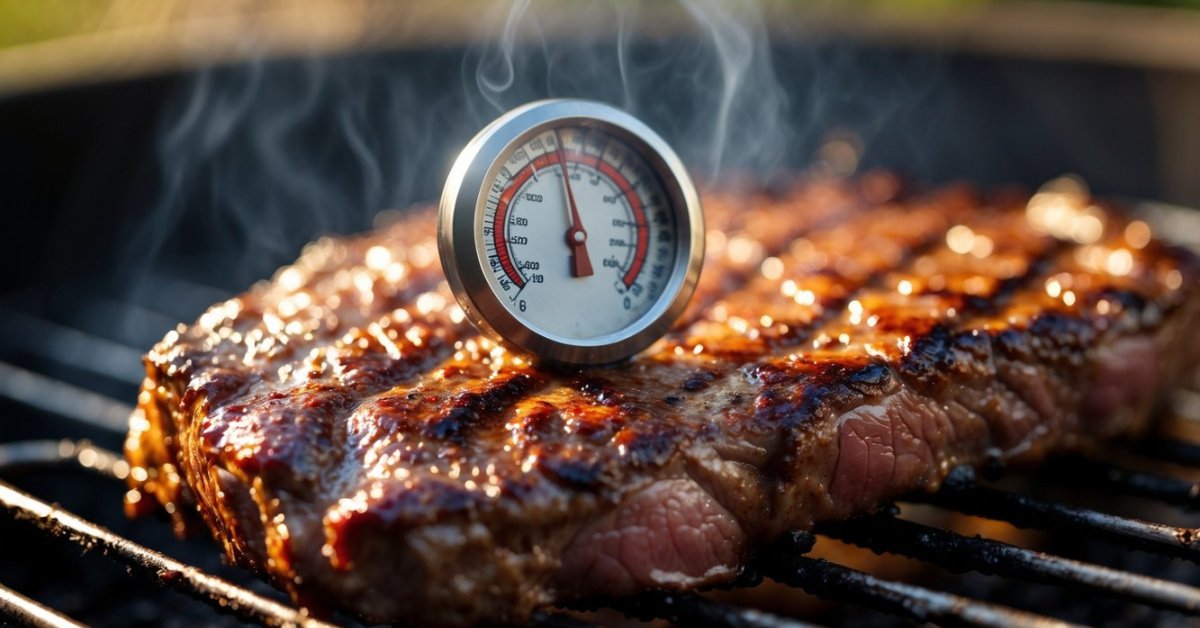
Grilling game meats like venison always feels like a bit of an adventure. The flavors are bold and unique but getting the perfect doneness can be tricky. I’ve learned that guessing just doesn’t cut it—especially when you want to impress your guests or simply enjoy a juicy steak.
That’s where a good thermometer comes in. With just a quick check I can stop worrying about overcooking or serving something too rare. It’s a small tool but it makes a huge difference when I’m grilling wild game and aiming for that tender delicious bite every time.
The Importance of Using a Thermometer When Grilling Game Meats
Grilling game meats like venison gets tricky, since these lean cuts dry out fast and show little margin for error. Using a thermometer helps address three major problems: achieving the right internal temperature, preventing foodborne illness, and locking in best texture.
- Ensuring proper doneness gives me reliable results; venison steaks taste tough or chalky when cooked above 145°F (source: USDA), but remain juicy at 130–135°F for medium-rare. My experience shows that color and feel often mislead, especially with wild meat.
- Detecting safe temperatures lets me avoid risks tied to undercooked game. Thermometers provide accuracy down to a single degree, unlike guessing by touch or appearance. Wild meats may contain more pathogens than farm-raised beef or pork, so I trust numbers over instinct.
- Preserving tenderness and juiciness means I take all the guesswork out of grilling. The right thermometer, like an instant-read digital model or a leave-in probe, helps me pull cuts off the grill exactly when they’re ready without repeated slicing or poking.
Game meats demand precision. I reach for a grilling thermometer every time I fire up the grill for elk backstrap, duck breast, or venison loin, linking my favorite tool with every tasty bite.
Choosing the Right Thermometer for Grilling Venison
Picking the right thermometer for grilling venison lets me keep this lean meat tender and juicy. I always reach for tools that give fast, accurate results when I’m grilling wild game.
Types of Meat Thermometers
I use three main types of meat thermometers when grilling venison:
- Instant-read digital thermometers offer quick readings in 2–5 seconds. I rely on these for checking steaks and chops right before pulling them off the grill.
- Leave-in probe thermometers monitor temperature throughout cooking. I stick these in larger cuts like a venison roast so I can track temps without opening the grill.
- Dial analog thermometers usually take longer, sometimes up to 30 seconds, to stabilize. I only use these as backups because they’re often less precise.
When I want to avoid overcooking or missing the perfect doneness window with wild game, digital thermometers always give me the confidence I need.
Features to Look For
When choosing a thermometer for grilling venison, I prioritize a few key features:
- Accuracy within ±2°F helps me hit safe and juicy doneness every time.
- Fast response time under 5 seconds lets me check several steaks on a hot grill without losing heat.
- Backlit display helps me grill in the evening when the sun drops but my grill’s still hot.
- Water resistance protects my gear from spilled marinades or an unexpected rain shower.
- Wide temperature range (at least 32–392°F) covers smoking, grilling, and searing thicker venison cuts.
Having used dozens of thermometers during backyard sessions and at my old Texas bbq food cart, I’ve found these features most useful for getting consistent, delicious results with wild game.
Step-By-Step Guide to Grilling Venison with a Thermometer
I grill venison often, and using a thermometer every time keeps the meat juicy and tender. Fast checks and precise temps make a huge difference—especially with lean game.
Preparing the Venison for Grilling
I start with thawed venison steaks or medallions, trimming any visible silver skin to avoid chewiness. I pat the meat dry, brush with oil, then season with kosher salt, freshly cracked pepper, and herbs like rosemary. With venison, I skip sweet rubs since sugar burns over high heat. Letting the seasoned meat sit at room temperature for about 30 minutes helps it grill evenly.
Monitoring Internal Temperature
I insert my instant-read or probe thermometer into the thickest part of the venison once it starts to firm up over high heat. My target for medium-rare is an internal temp of 130–135°F. I make sure the tip isn’t touching any bone since that gives a false reading. I flip the meat only once, checking the temp again after another minute or two. Each check ensures the venison never dries out.
Resting and Serving
I transfer the grilled venison to a warm plate and tent it loosely with foil. I let it rest for 5–10 minutes to allow juices to redistribute. Slicing into the meat too soon causes loss of tenderness and flavor—every degree counts. I slice across the grain before serving, which gives the most tender bite. Serving immediately helps venison retain its perfect texture and all that wild flavor.
Common Mistakes to Avoid When Using a Thermometer
Misplacing the Probe
I often see folks miss the target by inserting the thermometer probe too close to bone or fat instead of the thickest part of the venison. The thickest section, away from bone, gives the most accurate reading for doneness because bones and fat heat up faster than lean muscle.
Using a Dirty or Cold Probe
Residual juices from previous checks or a cold probe from the fridge can throw off temperatures. I always clean and dry my thermometer before each use. Consistent readings depend on a spotless, room-temperature probe.
Relying on Visual Cues Alone
Pink juice or color isn’t a solid gauge for wild game like venison. Despite years manning my Texas bbq cart, I never trust looks alone. Sauce and smoke can mask what’s going on inside. Thermometers provide certainty.
Not Calibrating the Thermometer
Digital and analog thermometers both drift out of accuracy. Every month, I check mine in an ice bath (32°F) and boiling water (212°F, adjusting for altitude). Even a $70 digital can read 5°F off if left unchecked.
Leaving the Probe in While Searing
Searing game meat with the probe inside can crack housing or melt wires unless it’s built for high-heat. I pull my instant-read after each check, only using leave-in probes for low-and-slow cooks above grates or indirect zones.
Ignoring Carryover Cooking
Pulling venison right at 135°F means overshooting ideal doneness after resting. I aim to remove meat at 130°F, since internal temp climbs another 5°F as it sits, locking in the perfect texture and flavor.
Over-Puncturing the Meat
Repeated probing causes juices to escape, leading to dry results. I pick the thickest area and commit with a single well-placed check, so every bite stays juicy and tender.
Trusting Old Batteries
Erratic or dim readings often point to dying batteries. I swap mine out at the start of each grilling season to keep all digital gauges sharp and responsive.
By focusing on precise probe placement, clean gear, proper calibration, and a single quick check, grilling wild game like venison stays accurate and delivers that ideal, juicy result every time.
Benefits of Accurate Temperature Readings for Game Meats
Accurate temperature readings transform my grilling results for game meats like venison. These lean cuts get overcooked fast, making an exact read essential for keeping meat juicy and flavorful.
- Preventing Overcooking
Accurate thermometers let me pull venison steaks at precisely 130–135°F for medium-rare. When I use digital instant-read or leave-in probes, I get tender bites without any guesswork. Overcooked game toughens quickly due to its low fat content, with roasts going dry above 145°F.
- Reducing Foodborne Risks
Game meats occasionally harbor pathogens like Trichinella spiralis or Salmonella spp., especially compared to store-bought beef. Reliable thermometers ensure I hit USDA-recommended minimums (like 160°F for ground game, 145°F plus rest for whole cuts) so my dishes stay safe and delicious.
- Maintaining Texture and Juiciness
Precise readings help me avoid the grainy, stringy texture that happens if venison gets too hot. Each degree matters—the right temp holds that firm, rosy pink center, locking in natural juices. My best results come from pulling steaks before the target temp and letting them rest, a trick that only works with trustworthy readings.
- Consistency Cook After Cook
Only an accurate thermometer lets me replicate the same doneness every time, whether I’m grilling loin fillets, shoulder roasts, or bacon-wrapped medallions. My guests expect every plate to match, and the right tools let me deliver restaurant-quality results backyard after backyard.
- Maximizing Wild Flavor
Game meats bring unique earthiness from their natural diets. When I nail the exact doneness, I keep those subtle flavors intact instead of masking them with overcooked dryness. The result—each bite tastes like pure field-to-table perfection.
My passion for grilling wild meats continues to grow every time I see those perfect, juicy slices—made possible by nothing more than an accurate thermometer I trust.
Conclusion
Grilling venison and other game meats is one of my favorite ways to enjoy the wild flavors they offer. With the right thermometer by my side I know I can serve up juicy tender cuts every time without the guesswork or stress.
If you love grilling wild meats as much as I do investing in a quality thermometer is a game changer. It lets you relax and focus on the fun part—sharing a delicious meal with friends and family.


