
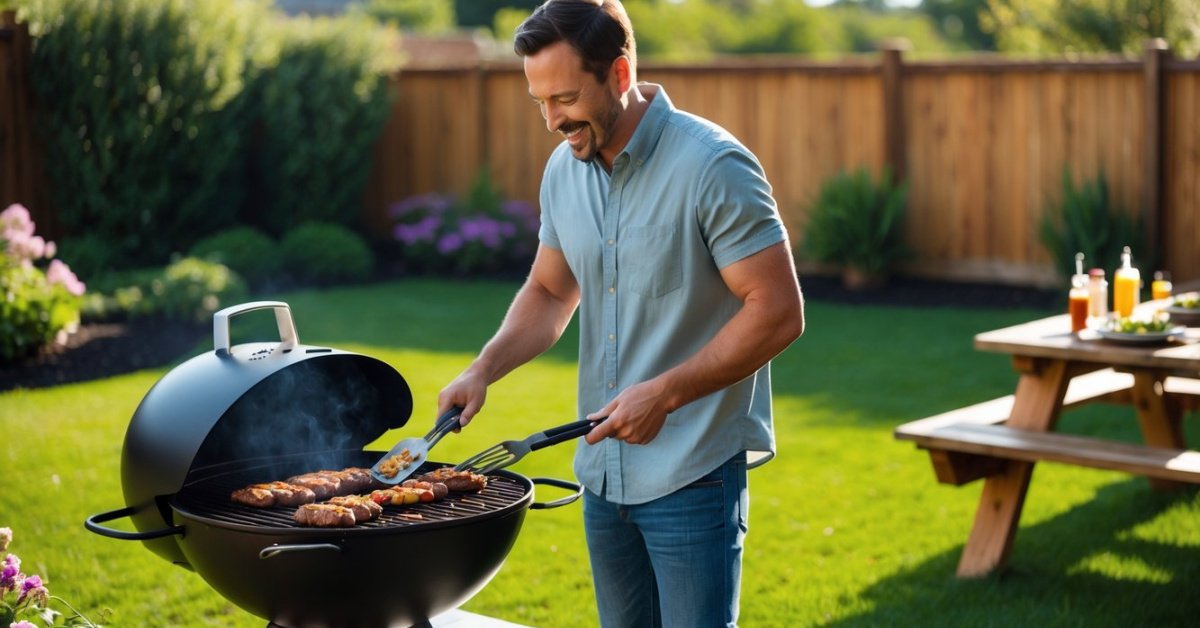
Nothing beats the anticipation of a perfectly smoked brisket or tender pulled pork after hours on the grill. I know how much patience and care low-and-slow BBQ demands and I’ve learned that temperature control is the secret ingredient behind every mouthwatering bite.
Choosing the right thermometer isn’t just about numbers—it’s about peace of mind. I want to share my favorite tools that help me keep a close eye on the heat so I can focus on flavor and enjoy the process. Whether you’re a weekend pitmaster or just starting out you’ll find that the right thermometer makes all the difference.
Why a Good Thermometer Matters for Low-and-Slow BBQ
Accurate thermometers let me maintain the precise temperatures that low-and-slow BBQ demands. Big swings in cooker temp dry out brisket or leave pork undercooked, both of which I’ve seen plenty on busy days at my old Texas food cart. Proper temp tracking keeps internal meat temps in the perfect zone, producing tender results and avoiding food safety risks.
Consistent results depend on exact temperature readings rather than relying on guesswork or pit instincts. I’ve tested dial thermometers and cheap digitals, but many of them lag behind true temps by 5°F–15°F. Top-tier digital probe thermometers usually hold an error margin under 2°F, which I always look for when prepping racks of ribs or turkey breasts.
Good thermometers save time during a long cook. I spot problems with airflow, fuel, or placement early before they ruin a batch. Alerts and wireless probes let me step away to prep the next dish or relax with confidence, knowing I’ll get notified if temps spike or drop.
Control over the cook comes down to numbers, not luck. Whether I’m going for a perfect smoke ring on my brisket or hitting target temp for pulled pork, reliable thermometers prove essential for every recipe and every piece of equipment.
Key Features to Look for in BBQ Thermometers
Choosing a thermometer that matches low-and-slow BBQ demands takes out the guesswork and keeps every cook on track. I always look for a few critical features that separate great thermometers from average picks.
Temperature Accuracy and Range
Precise readings matter most when smoking brisket or ribs for 10+ hours. I check that a thermometer offers accuracy within ±1.8°F (±1°C) for both ambient pit and internal meat temps. Models with a wide temp range—say, 32°F to 572°F—cover anything from cold-smoking salmon to finishing steaks over high heat.
Probe Type and Number
More probes mean more control during multi-meat cooks. I prefer digital thermometers with dual or quad probes, letting me monitor several meats—like pork shoulder, ribs, and chicken—simultaneously. Flexible metal mesh or stainless steel probe cables stand up to repeated use in higher heat.
Durability and Build Quality
Tough builds pay off in busy BBQ settings. I stick with thermometers featuring waterproof or at least splash-resistant cases, reinforced probe cables, and heavy-duty plastics that handle drops or greasy fingers. Commercial-grade construction usually outlasts other models during long outdoor sessions.
Connectivity and Smart Features
Remote monitoring makes longer smokes easier. Bluetooth or Wi-Fi thermometers send alerts to my phone if temps drift, freeing me up to prep sides or chat with guests. Smart features—like temperature graphs and cook timers—help track trends and log favorite recipes for repeat perfection.
Top Picks: The Best Thermometers for Low-and-Slow BBQ
My years running a Texas BBQ cart taught me that the right thermometer turns a cook from stressful into smooth. Accurate readings and reliability help every brisket, pork shoulder, and rack of ribs reach peak tenderness without guesswork. I’ve spent countless hours testing the best thermometers for low-and-slow BBQ—here’s what consistently delivers.
Best Overall BBQ Thermometer
ThermoWorks Signals keeps low-and-slow BBQ perfectly dialed in every time. This four-channel digital thermometer tracks up to four different proteins or grill zones. The temperature accuracy lands within ±1.8°F, and the wired probes withstand smoker temps up to 572°F. It includes Wi-Fi and Bluetooth connectivity for real-time monitoring and customizable alarms. The rugged build stands up to sauce splatters, drips, and all-day cooks. Home cooks and competitors both trust ThermoWorks for vital temperature intel.
Best Wireless BBQ Thermometer
Meater Plus brings wireless freedom to BBQ. Each probe transmits temperature data up to 165 feet (outdoors) directly to my phone. The dual-sensor probe reads meat internals and ambient grill temp simultaneously—ideal for tight smokers and kamado grills. The guided cook system provides time and temp forecasts, helping plan long cooks like a brisket overnight. Guided alarms keep the process hands-off, so I can entertain while monitoring the cook remotely.
Best Budget BBQ Thermometer
ThermoPro TP20 gives reliable dual-probe performance for budget-conscious BBQ. Two color-coded probes track grill and meat temps at the same time. The large backlit screen is simple to read, while the remote receiver covers up to 300 feet—great for roaming around the yard. The preset meat settings and simple controls let beginners jump in, while accurate readings give results rivaling higher-end thermometers.
Best High-End BBQ Thermometer
FireBoard 2 Drive brings pro-grade monitoring and control for serious pitmasters. Six probe channels allow for complete tracking of multiple meats and grill zones at once. Wi-Fi and Bluetooth options, plus cloud logging, let me store and review every cook. Pairing with a drive blower enables full temperature automation on charcoal pits and smokers. FireBoard’s precision, durability, and advanced features make it my top choice for catering gigs and competition use.
How to Use Your Thermometer for Perfect Low-and-Slow Results
Always insert the thermometer probe into the thickest part of the meat, away from bone or fat, for the most accurate temperature reading. Brisket examples—especially packer cuts—can show hot zones near the point or fat seams, which throw off results if I don’t find that thick center.
Keep the probe wire clear of direct flames and high-heat spots, which sometimes happens if I shift coals or reposition racks. Excess heat can damage the wire insulation or create false readings.
Monitor both the internal meat temperature and the pit temperature during every low-and-slow BBQ cook. My FireBoard 2 Drive and ThermoWorks Signals units log both temps, giving me a full view of the cook at a glance.
Set target alerts for both your final doneness temp and any major drops or spikes in pit temp. The ideal brisket target is around 203°F, while pulled pork usually finishes near 195°F. I always set alerts for 225°F and 250°F pit thresholds to catch any big swings.
Allow the thermometer to stabilize for a few seconds after inserting it, especially with thicker cuts. I’ve learned that some models respond almost instantly, while others (like a few older probes) lag behind 5-10 seconds after movement.
Clean probes after every use, especially for cooks over 5 hours. Grease and carbon buildup can insulate the probe, making it read cooler than the actual temperature in back-to-back smokes.
Calibrate your thermometer at least once before a competition or big gathering, unless the thermometer is a lab-calibrated design like the Signals. I confirm accuracy using an ice bath (32°F) and boiling water (212°F at sea level) for reference.
Keep the thermometer receiver or monitoring app nearby—within the advertised range—to prevent missing important temperature alerts while you focus on other BBQ steps like basting, spritzing, or reloading fuel.
Maintenance and Care Tips for BBQ Thermometers
I extend the life of my BBQ thermometers and keep them consistently accurate with a few simple habits grounded in years of brisket and pork cookouts.
- Cleaning Probes Thoroughly:
I clean temperature probes with mild dish soap and a damp cloth after every use, not submerging electronic parts. I remove food residue right after a cook to keep readings reliable and avoid corrosion.
- Avoiding Water Damage:
I keep digital units and connections dry, only wiping them with a barely damp towel. I use waterproof or splash-resistant models like the ThermoWorks Signals in cases where drips and spills are frequent.
- Storing Properly:
I store probes coiled loosely, never bending cables sharply. I keep all parts in a dry, safe box or pouch, protecting them from accidental knocks or moisture.
- Calibrating Regularly:
I check calibration every 3-6 months by testing with ice water (32°F) and boiling water (212°F at sea level). I recalibrate using built-in functions, if available, or adjust for known offset values.
- Inspecting for Wear:
I examine cables for cuts, probes for discoloration, and connectors for looseness after each use. I replace any worn parts before a long cook, ensuring the thermometer remains trustworthy.
- Changing Batteries Promptly:
I swap out batteries when the low-battery indicator flashes or if the display gets dim, using only quality replacements to prevent device malfunction.
- Avoiding Extreme Temperatures:
I never expose thermometers to direct flame or pit lids, since extreme heat damages sensors and housing. I keep electronics out of prolonged sun to avoid warping or false readings.
With these maintenance habits in my routine, my gear stays in top shape, and every rack of ribs or brisket I smoke gets the precise temperature control that true Texas BBQ demands.
Conclusion
When it comes to low-and-slow BBQ there’s just no substitute for a reliable thermometer. From my experience nothing beats the confidence that comes with knowing your temps are spot on whether you’re smoking a brisket for a crowd or just perfecting pulled pork at home.
Investing in the right thermometer and taking good care of it pays off every time you fire up the smoker. With a bit of practice and the right tools you’ll find that nailing those perfect BBQ results gets easier—and a whole lot more fun—every cook.


