
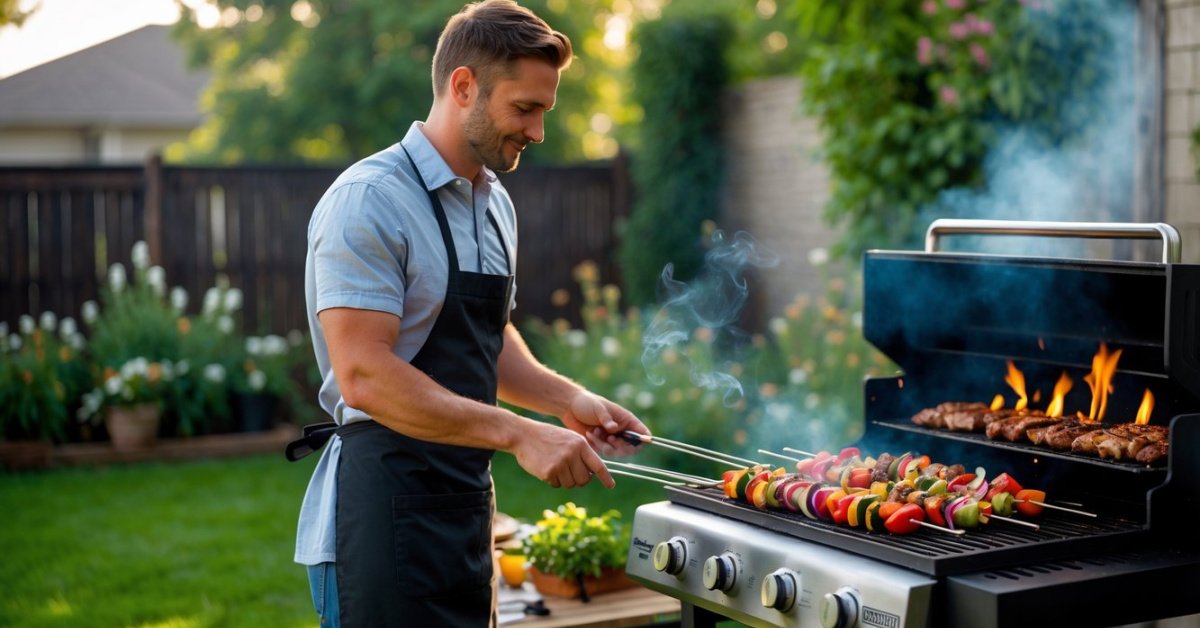
Grilling in a small space always feels like a bit of a puzzle. I love the smoky flavors and sizzling sounds but I don’t have room for a huge setup or bulky gadgets. That’s why finding the right thermometer makes all the difference when I’m trying to nail the perfect steak or juicy chicken breast on my compact grill.
I’ve learned that not all thermometers are created equal—some are too big others just aren’t accurate enough. The best ones fit easily in my hand give quick readings and don’t take up precious space. If you’re like me and want to make the most of your small grilling area you’ll want a tool that’s smart simple and reliable.
Why Accurate Temperature Matters in Small-Space Grilling
Precise temperature control shapes every grilling session in small spaces, with less room for error than backyard setups. Small grills and portable units—like kettle grills, compact kamados, or tabletop gas models—hold less air volume and transfer heat faster. When grilling chicken wings or ribeye steaks, even a five-degree difference can mean the margin between juicy or dry.
Efficient cooking prevents flare-ups and burnt food, especially with tight quarters where hot spots form quickly. Uneven heat zones appear faster on smaller surfaces, so accurate thermometers become essential for knowing when pork tenderloin, shrimp skewers, or veggie kabobs have hit their ideal temp. The right tool eliminates guesswork, reducing the risk of undercooked or overdone results.
Small-space grilling also limits view angles and maneuver room, so every open lid lets out precious heat. Quick, trustworthy thermometer readings make it possible to check temperatures once, then close the lid again. When cooking for friends at a city apartment balcony or a food truck pop-up, I depend on this speed and accuracy to keep food safe and delicious, every time.
Food safety plays a bigger role in close confines, too. Harmful bacteria survive if burgers or chicken aren’t cooked through, but overcooking leads to tough texture or dried-out flavor. A quality thermometer—one calibrated to read instantly and accurately—keeps every bite in that sweet spot where flavor and food safety meet, even when space is tight.
Key Features to Look for in Grilling Thermometers
When I’m working a small grill, I pick thermometers with features that boost accuracy and make things easier every time. Good design, speed, and hassle-free cleaning all matter when space gets tight.
Compact Design and Portability
Compact thermometers fit easily in a crowded setup, perfect for patio grills or travel units. I go for models under 6 inches, such as pocket probes and folding digital units. Lightweight builds, often less than 3 ounces, slip into my apron or toolkit. Magnetic mounts or lanyard loops help me keep thermometers nearby, even on my cramped balcony or when working events.
Fast and Reliable Readings
Fast readings save heat and time in small-space grilling. I look for digital thermometers that give accurate temps in under 5 seconds—ones like the ThermoWorks ThermoPop or Lavatools Javelin, which stay within ±1°F. Instant results mean fewer lid openings, controlling flare-ups and keeping steak or fish moist. I rely on reliability when juggling many orders or moving quickly during a backyard cookout.
Ease of Use and Cleaning
Straightforward controls and clear displays help every time I’m flipping burgers or basting chicken. Backlit screens, large digits, and ergonomic grips make quick checks simple, even when I’ve got sauce on my fingers. I avoid thermometers with complicated menus and choose single-button or auto-on designs. Waterproof and dishwasher-safe models save me work—I just rinse the probe and toss it in the utensil rack. This all means more time grilling and less time fussing with tools.
Top Picks: The Best Thermometers for Grilling in Small Spaces
Finding a reliable grilling thermometer is key when space is tight. I’ve tested dozens of models on my balcony grill and portable pits to see which options actually deliver.
Best Overall: Versatile Digital Thermometer
For all-around grilling performance in small spaces, I reach most often for the ThermoWorks Thermapen ONE. It measures 6.1 inches and gives accurate readings in under 2 seconds, even with thin cuts like shrimp or thick steaks. The rotating display lets me read temperatures no matter where my grill sits, and the single-button operation keeps it simple. Its IP67 waterproof design means grease and rain don’t slow me down cleaning up. I’ve found it’s precise to within ±0.5°F, which matches professional setups.
Best Budget Option: Affordable Instant-Read
For those watching their spending, the Lavatools Javelin PRO Duo offers speed and dependability at a fraction of the price. It slides easily into a drawer at just under 4.5 inches and gets readings in about 3 seconds. Its large digital display is easy to read outdoors, and the magnetic back lets me store it on my grill shelf without cluttering the workspace. In my BBQ cart days, I would’ve trusted this to deliver safe chicken temps or reliable pork every time.
Best for Smart Grilling: Wireless and Bluetooth Models
When I want to keep tabs on temps from a distance, the MEATER Plus wireless smart thermometer performs best in compact spaces. The probe fits inside smaller cuts and sends live temperatures straight to my phone up to 165 feet away. Its app tracks both internal meat temperature and ambient grill heat. Monitoring cook progress from across the deck has kept my ribs juicy and salmon flaky, especially when juggling multiple recipes.
Best Probe Thermometer for Tight Spaces
If space is especially scarce, the ThermoPro TP03 ranks high for narrow storage and single-hand use. The foldable probe is just 3.9 inches long, making it easy to reach between skewers or flip smaller proteins, like scallops or shrimp. Auto-off saves battery life for frequent testers like me. I also like its speedy 3-4 second response, which minimizes open-lid time and helps avoid heat loss in tiny grilling setups.
| Model | Probe Length (inches) | Read Time (seconds) | Waterproof | Wireless | Display Type |
|---|---|---|---|---|---|
| Thermapen ONE | 4.3 | <2 | Yes | No | Rotating Digital |
| Javelin PRO Duo | 2.0 | ~3 | No | No | Backlit Digital |
| MEATER Plus | 3.7 | Instant | Yes | Yes | App (Smartphone) |
| ThermoPro TP03 | 3.9 | 3-4 | No | No | Digital |
How to Choose the Right Thermometer for Your Grill Setup
Accuracy
I always check the thermometer’s accuracy before buying. Consistent readings within ±1°F mean the difference between juicy brisket and overcooked chicken. Brands like ThermoWorks and Lavatools provide this level of precision, even for small grills.
Speed
Speed matters when grilling in tight spots. I look for thermometers that display temperatures in less than 5 seconds. Quick sensors let me check food without letting too much heat escape, especially important for portable grills and hibachis.
Size and Storage
Size is critical for limited grilling setups. Models under 6 inches, for example the ThermoPro TP03, fit into tool drawers or apron pockets without taking up valuable workspace. Foldable probes save even more space.
Readability
Readability can’t be ignored in small, smoky spaces. I use units with bright backlit screens and large numbers, like the Lavatools Javelin PRO Duo, which help me read temps fast in low light or midday sun.
Controls and Use
Simple controls matter most when I’m handling multiple grill tasks. One-button operation and auto-shutoff features let me focus on cooking, not toggling settings. Waterproof features help with quick cleaning after I’m done.
Connectivity
Wireless and Bluetooth models, such as MEATER Plus, make a difference if I want to step away from the heat but still monitor temps. For those grilling in an apartment courtyard or balcony, remote monitoring keeps things stress-free.
Durability
Durable thermometers withstand outdoor use and frequent drops. Stainless steel probes and solid plastic casings last longer, especially when I travel with my gear.
Budget
Budget plays a role in selecting thermometers. Affordable, reliable models like the ThermoPro TP03 perform well, but I invest in premium options if I want more features like wireless connectivity or ultra-fast sensors.
Care and Maintenance Tips for Long-Lasting Performance
Cleaning Thermometer Probes
I wipe thermometer probes with a damp cloth right after use, since stuck-on residue affects accuracy and flavor. For sticky marinades or sugary glazes, I scrub probes gently with mild dish soap and warm water. I never immerse digital units or leave them soaking, since excess moisture damages internal electronics.
Storing Grilling Thermometers
I store my grilling thermometers in protective cases or sleeves if included. Exposure to direct sunlight or extreme heat, such as leaving a thermometer near the grill after use, shortens the display life and warps plastic bodies. In small spaces, I organize thermometers in a drawer or on a magnetic strip to keep them handy and safely out of the way.
Checking Battery Health
I check battery health monthly, especially for models with wireless or digital displays. Weak batteries lead to slow response times or inaccurate readings, which undermines reliable grilling—something I can’t risk during a busy cookout. I keep spare batteries in a dry spot near my grill station.
Calibrating Accuracy
I test thermometer calibration every few months. I use the ice bath method or boil test: the probe should read 32°F in ice water and 212°F in boiling water (at sea level). If readings drift by more than ±1°F, I recalibrate if possible or note the difference for future cooks. I always check the manual for model-specific calibration steps.
Avoiding Impact Damage
I handle grilling thermometers carefully to prevent drops, since sudden impacts cause misalignment or break sensitive internal parts. Collapsible or folding models are less likely to snag on utensils or grill covers, minimizing accidental knocks.
Maintaining Waterproof Seals
I inspect waterproof seals on my digital thermometers for cracks or wear. Intact seals protect against moisture and keep internals dry during cleaning or sudden rain. Once seals show signs of damage, I replace them immediately to avoid costly failures.
Conclusion
Grilling in a small space doesn’t have to mean sacrificing flavor or precision. With the right thermometer and a little care you can enjoy juicy steaks and perfectly cooked seafood every time. I’ve found that investing in a compact reliable thermometer makes a world of difference for both taste and peace of mind.
No matter how limited your setup is there’s a tool out there that fits your needs and helps you grill with confidence. Happy grilling and may every meal come out just the way you like it!


