
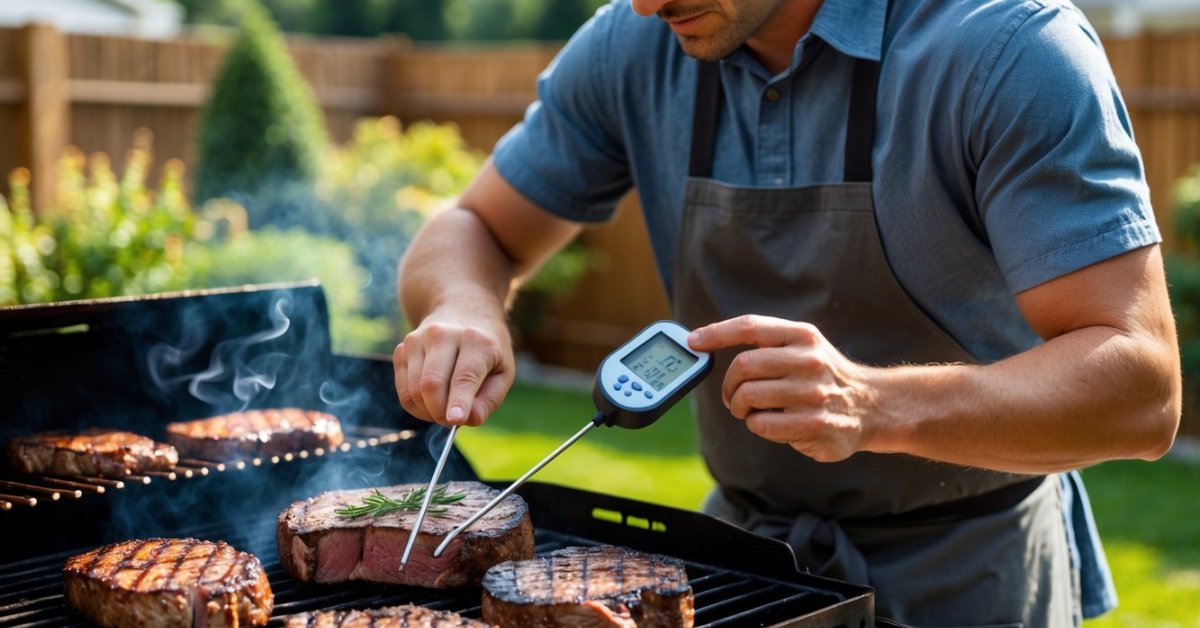
When I’m grilling a big roast there’s nothing more important than nailing the perfect doneness. Guesswork just doesn’t cut it when I’m serving up a juicy brisket or a tender pork shoulder for friends and family. That’s where a reliable thermometer steps in and takes all the stress out of grilling.
I’ve tried my fair share of gadgets over the years and I’ve learned that not all thermometers are created equal. Some make it easy to monitor temperatures without ever lifting the grill lid while others offer lightning-fast readings to keep things moving. If you’re ready to up your grilling game and serve roasts that are just right every time you’re in the right place.
Why Accurate Temperature Matters for Large Roasts
Grilling large roasts like brisket, prime rib, and pork shoulder requires precise temperature control to keep meat juicy and tender. I’ve watched dozens of briskets dry out when temp checks fell short. Accurate thermometers track small fluctuations, making it easier for me to hit target doneness every time.
Undercooked roasts, for example pork shoulder at 185°F, don’t break down connective tissue, so they’re tough and chewy. Overcooked meat, such as brisket at 215°F, loses moisture fast and crumbles. Internal temperature impacts both texture and food safety; the USDA lists 145°F for beef roasts and 165°F for poultry as safe minimums. I target these numbers when checking large cuts, since relying on guesswork leads to wasted hours and disappointing results.
Consistent temperature readings also help me confidently rest large roasts. Carryover cooking, where the meat continues rising in temp off the grill, varies 5-10°F in big cuts. My thermometers confirm when to pull roasts at just the right moment so they finish perfectly. Using accurate grill thermometers ensures every bite stays juicy, tender, and safe for everyone at the table.
Key Features to Look for in a Meat Thermometer
Selecting the right meat thermometer makes hitting those perfect doneness temps a breeze when grilling large roasts. I focus on features that guarantee reliable performance and straightforward use even during long low-and-slow cooks.
Probe Length and Durability
Probe length and durability matter most with thick cuts like brisket, pork shoulder, or whole turkey. I use probes measuring at least 5 inches for large roasts so they reach the core without bottoming out. Stainless steel probes handle repeated use and high grill temps, resisting warping or cracking even after dozens of cooks. Reinforced probe cables on wired models prevent melting and fraying over time.
Response Time and Accuracy
Response time and accuracy are key to nailing safe, juicy results. Fast thermometers display readings in two to four seconds to minimize heat loss when checking temperature. I trust models accurate within ±1°F, based on manufacturer specs and my own boiling water ice bath tests. Precision makes it easy to track gradual climbs during stall periods and spot any sudden temp spikes before they ruin a roast.
Wireless and Smart Features
Wireless and smart features make multitasking over long grill sessions simple. Bluetooth thermometers let me monitor temps from my phone up to 300 feet away—handy when I’m prepping sides or mingling with guests. Multi-probe models, like the ThermoWorks Smoke X4 or MEATER Block, track several meats or zones at once. App-based alarms, easy-to-read graphs, and cloud-connected cook logs help manage timing and rest intervals for perfect, repeatable results.
Top Picks: The Best Thermometers for Grilling Large Roasts
Finding the right thermometer makes grilling large roasts both reliable and stress-free. I’ve tested dozens of models over years of brisket, pork shoulder, and holiday rib roasts—these are the thermometers I trust most.
Best Overall: Digital Probe Thermometer
I always reach for a digital probe thermometer when accuracy counts. Models like the ThermoWorks Thermapen ONE give readings in 1 second and claim ±0.5°F accuracy. Long stainless-steel probes handle thick roasts like bone-in ribeyes with ease. Wide display screens make it easy for me to check temps in low light or through grill smoke. Waterproof construction prevents grill-side accidents from ruining your gear. Many digital probes come with backlit screens, calibration features, and strong magnets for easy storage.
Best Wireless Option: Remote Meat Thermometer
Wireless thermometers like the MEATER Plus let me monitor temps wherever I’m prepping sides, up to 165 feet away. Each unit includes dual sensors—one for internal meat temp and one for the ambient grill air. Bluetooth and Wi-Fi connectivity send alerts right to my phone, so I don’t open the lid more than needed. These sets usually come with multiple probes, so I manage several roasts or grill zones at once. Battery life often tops 20 hours per charge, supporting all-day cooks.
Best Budget Choice: Instant-Read Thermometer
Instant-read thermometers like the Lavatools Javelin deliver solid performance under $30. Ten-second response times and ±1°F accuracy keep me out of the heat while checking temp across large briskets or turkey breasts. Foldable designs make pocket storage easy, and most models include a simple auto-off feature to save batteries. While these thermometers don’t stay in the meat during the cook, I rely on them for quick checks before removing and resting my roast.
Best for Precision: Leave-In Oven Thermometer
When I’m low and slow smoking big pork shoulders, I want a thermometer like the ChefAlarm by ThermoWorks for the most consistent results. Leave-in models stay with your roast the entire time, logging internal temps and showing rise throughout the cook. High- and low-temp alarms eliminate any second-guessing. Large, color-coded displays are readable from several feet away. Leave-in thermometers withstand grill heat hour after hour, thanks to extra-durable probe cables and heatproof bodies.
How to Use a Thermometer Properly When Grilling Large Roasts
Grilling large roasts takes patience and precision, and getting the most from any thermometer makes a noticeable difference. I focus on probe placement and technique for spot-on readings every time.
Placement of the Probe
Probe placement determines accuracy when grilling thick cuts like brisket, pork shoulder, or beef roasts. I insert the probe into the deepest part of the roast, usually the geometric center, making sure it’s away from bone or fat pockets. Positioning the tip at least 2 inches into the thickest meat section produces the most reliable internal temperature. For whole poultry, I aim for the inner thigh, avoiding direct contact with the bone. Misplaced probes, like those set too close to the grill surface or inserted shallowly, can cause readings that don’t match the actual doneness.
Tips for Consistent Results
Consistent grilling results depend on several thermometer techniques I use for every large roast. I let the thermometer equilibrate for 10 seconds before reading, especially with instant-read models, to avoid heat loss from opening the grill lid too long. I double-check by testing another spot if a roast feels unevenly thick. For leave-in probes, I set high and low temperature alarms for target doneness and resting windows. I always clean probes with hot, soapy water before and after use to prevent residue build-up that can block heat transfer. I track temperatures at intervals for long cooks—every hour for brisket, for example—using apps for wireless thermometers to monitor without disrupting heat in the grill. These techniques deliver precise, juicy results and capture the quality that defines Texas BBQ.
Conclusion
Grilling large roasts can feel intimidating but the right thermometer makes the process so much easier and more enjoyable. With a little practice and the right tool in hand I’ve found that hitting the perfect doneness becomes second nature.
No matter which thermometer you choose you’ll notice a huge difference in confidence and results. There’s nothing better than slicing into a roast and seeing that juicy tender perfection you worked so hard for. Happy grilling!


