
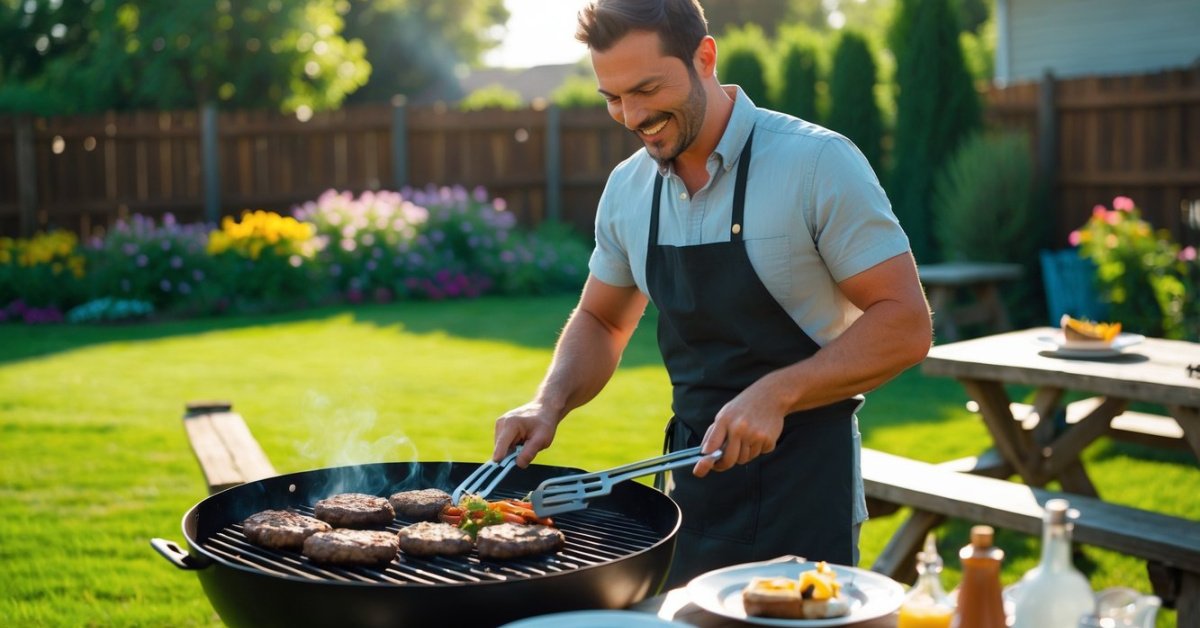
When I first fired up my kamado grill I quickly realized that mastering temperature control was the secret to mouthwatering barbecue. Getting that perfect sear or slow-cooked tenderness isn’t just about the right cut of meat—it’s all about knowing the grill’s exact temperature.
Picking the right thermometer can make or break a cookout. With so many options out there I found myself wondering which one would give me the accuracy and ease I needed. Whether I’m grilling burgers for a crowd or smoking brisket overnight having a reliable thermometer takes the guesswork out of the process and lets me focus on the fun part—enjoying great food with friends and family.
Why Thermometers Matter for Kamado Grill Users
Accurate thermometers let me lock in the precise temperatures I want when grilling on a kamado. Kamado grills rely on consistent heat to deliver even sears, steady low-and-slow cooks, and perfect smoke rings. Temperature differences as small as 10°F shift results—a brisket can stay tender with a steady 250°F, but dry out at 270°F. I use thermometers during overnight cooks, quick steak sears, and even for dialing in the right temp for baking pizza.
Reliable readings from a properly calibrated thermometer help me avoid guessing games. Guesswork introduces flare-ups, overcooked meat, and missed smoke texture. Digital, instant-read, and probe thermometers keep me focused on technique, not troubleshooting fires. Temperature feedback turns my experiments into repeatable recipes—something I relied on back at my food cart in Texas for briskets and ribs that kept regulars coming back.
Consistent monitoring gives me confidence to grill anything—fish fillets, bone-in pork chops, whole chickens—on my kamado. Thermometers, rather than vents or timers alone, form the backbone of my grilling toolkit.
Types of Thermometers for Kamado Grills
Choosing the right thermometer for kamado grilling affects every cook I do, from overnight briskets to high-heat pizza bakes. I’ve tested dozens on my Big Green Egg and Kamado Joe setups, and each type brings its own advantages.
Leave-In vs. Instant-Read Thermometers
Leave-in thermometers, like multi-probe digital units or built-in analog dials, monitor temperature throughout the cook. I rely on digital leave-in models when smoking brisket or pork shoulder for 10–16 hours, since they track both the grate and the food without opening the dome. These units display real-time temps and many alert me if meat falls outside my target range.
Instant-read thermometers, such as the Thermapen ONE or Lavatools Javelin, give me single-point readings within 1–3 seconds. I use them for quick steak checks, verifying chicken doneness, and spot-checking multiple proteins on the grates. Fast response gives me certainty without losing heat from an open grill.
Digital vs. Analog Thermometers
Digital thermometers feature LCD displays, wireless connectivity, and settings for low/high-temperature alerts. Models like the ThermoWorks Smoke X4 or Inkbird IBT-4XS let me monitor cooks from in the house or outside with my smartphone. Digital units usually hold tighter accuracy, reading within 1–2°F, and can log data for recipe repeatability.
Analog thermometers, including built-in dome dials or classic oven thermometers, use bimetal coils or mercury. I’ve found they work for basic temperature monitoring, especially for high-heat bakes, but they’re often off by 20–50°F unless I calibrate them with boiling water. While analog options don’t need power or batteries, they read slower and don’t match the flexibility or accuracy of digital models for most kamado cooks.
Key Features to Consider When Choosing a Thermometer
Certain features make a thermometer far more effective for kamado grill sessions. I always look for tools that make my grilling smoother and my results more reliable.
Temperature Range and Accuracy
Temperature range and accuracy decide if a thermometer truly works for kamado grilling. Grills like my favorite kamado reach internal temperatures from 150°F for low-and-slow brisket up to 700°F for pizza. Reliable thermometers cover this full spectrum, usually between 32°F and 700°F. Digital probes I trust—like the ThermoWorks Smoke X4—give ±1.8°F accuracy, perfect for precision. I reject any unit with vague or swinging readings, since small errors easily spoil a rack of ribs or a delicate filet.
Ease of Use and Readability
Ease of use and readability play a huge role when flipping steaks or checking pork shoulder in dim outdoor light. Large backlit displays, glow-in-the-dark dials, and intuitive button layouts are must-haves for me. Some models, like the ThermoPro TP20, beep and flash once temps hit a setpoint, which I find handy during busy cooks. During overnight brisket smokes, I stay stress-free when I can check clear readings at a glance.
Durability and Weather Resistance
Durability and weather resistance keep thermometers working through Texas sun or surprise downpours. Water-resistant units with sturdy probes make for confident grilling. Stainless steel probes and rubber-sealed housings survive accidental drops and grill-side grease. My favorites handle ambient humidity, hot lid steam, or a quick rinse after use without issues. If a unit’s labels rub off, connections rust, or the battery cover warps, it doesn’t last on my grill table.
Wireless and Smart Technology Options
Wireless and smart technology options bring big convenience when I’m grilling multiple recipes at once. Bluetooth or Wi-Fi connectivity lets me roam the yard, prep sides indoors, or chat with guests while my phone updates me on pit temps. Apps with graphing, multi-probe support, and safe temp presets make tracking cooks simpler. The Meater Plus or FireBoard 2 offer cloud logging and alarms, letting me test, tweak, and repeat my best brisket methods. If a unit disconnects easily or fails to alert me when food’s done, I move on to more dependable upgrades.
Top Recommended Thermometers for Kamado Grill Users
I focus on thermometers that earn their spot at my side after years of BBQ competitions, running a cart in Texas, and personal cooks on kamado grills. These choices balance essential functions—accuracy, durability, and versatility—with the needs of kamado grill enthusiasts aiming for BBQ perfection.
- ThermoWorks Signals
I rely on the ThermoWorks Signals for overnight brisket or pork butt cooks. This multi-probe digital thermometer gives me four channels, allowing me to monitor the grill grate, two hunks of meat, and the ambient dome temperature simultaneously. Bluetooth and Wi-Fi connectivity keep me in control anywhere nearby. Accuracy tested within ±1.8°F in my own side-by-side tests with calibration standards.
- Meater Plus
For cooks wanting wireless freedom, I use the Meater Plus. This truly wireless probe withstands up to 527°F ambient heat, perfect for kamado dome temperatures. Its Bluetooth range of 165 feet lets me monitor internal and ambient temps from inside my house. The app tracks both target and carryover cooking—handy for thicker meats or reverse-seared steaks.
- ThermoWorks Thermapen ONE
When I clock a steak’s doneness or double-check chicken temps, nothing beats the Thermapen ONE’s two-second reads and ±0.5°F accuracy. Its bright rotating display works outside in midday sun or after dark under my porch lights. I’ve dunked mine and dropped it plenty—IP67 waterproofing keeps it tough.
- Inkbird IBT-4XS
For value seekers and backyard pitmasters, the Inkbird IBT-4XS covers four channels, has Bluetooth for remote monitoring within 150 feet, and shows solid accuracy from 32°F to 572°F. I’ve used its magnetic base to slap it onto my kamado’s steel bands—helpful when juggling multiple meats for a crowd.
- Lavatools Javelin PRO Duo
As a backup or for travel, the Javelin PRO Duo instant-read thermometer gives speedy 3-second reads within ±0.9°F. Its folding probe design takes up little space. I reach for it at tailgates or neighborhood cookouts where compact gear counts.
| Thermometer Name | Type | Key Features | Accuracy | Temp Range | Connectivity |
|---|---|---|---|---|---|
| ThermoWorks Signals | Multi-probe | 4-channel, Wi-Fi/Bluetooth, durable | ±1.8°F | -58°F to 572°F | Wi-Fi, BT |
| Meater Plus | Wireless probe | No wires, smart app, dual sensors | ±1.5°F | Ambient to 527°F | Bluetooth |
| ThermoWorks Thermapen ONE | Instant-read | 2-sec read, waterproof, rotating display | ±0.5°F | -58°F to 572°F | None |
| Inkbird IBT-4XS | Multi-probe | 4 probes, Bluetooth, magnetic base | ±2°F | 32°F to 572°F | Bluetooth |
| Lavatools Javelin PRO Duo | Instant-read | 3-sec read, foldable, compact | ±0.9°F | -40°F to 482°F | None |
All these thermometers deliver features kamado grillers count on—multi-probe capability for brisket and whole chickens, instant-reads for steaks, and wireless tech for real-time monitoring. My focus always lands on those that survive frequent outdoor use in all Texas seasons, give dead-on readings, and make every BBQ cook easier.
Tips for Proper Thermometer Usage and Maintenance
- Calibrate regularly for accuracy
I check my grilling thermometers before every competition or big weekend cook, using the ice water and boiling water methods for reference points. ThermoWorks and other manufacturers list calibration instructions in their manuals.
- Clean probes after each use
I wipe down all probe tips and cables with a damp cloth and mild detergent after every session, especially after cooking sticky BBQ sauces or marinades. Buildup from sugars and grease, common in brisket and rib cooks, affects readings and probe durability.
- Avoid submerging electronics
I keep probe wires and digital housings away from soaking or harsh sprays. Water inside the digital display damages connections, so I use a damp cloth on exterior parts.
- Store thermometers carefully
I keep my instant-read units in protective sleeves and digital leave-in sets in their original cases. Probes tangle easily, so I always coil them loosely and stash them above my grilling station.
- Replace worn batteries and cables
I swap out batteries before they die, since low power often causes inconsistent readings on my digital thermometers. If I see cracks in probe cables or tips, I order replacements instead of risking a cook.
- Check for software updates on smart models
I connect my Bluetooth and Wi-Fi thermometers to their apps monthly, since Meater and Inkbird frequently release firmware updates to improve accuracy and connectivity.
- Avoid extreme heat shock
I never move probes directly from ice water tests into a 700°F grill. Sudden temperature jumps can cause sensor failures, so I let the probe sit at room temperature a few minutes between checks.
- Guard against wire pinch and crimp
I route wires through my kamado’s gasket and hinge areas carefully to prevent pinch points that could cause digital dropouts or wire breaks during long brisket or pork shoulder cooks.
- Avoid direct flame exposure
I position probes and cables away from flare-up zones when searing steaks or finishing chicken thighs. Direct flames degrade probe insulation, shortening their usable life.
- Record readings for tracking
I jot down key temperatures in a grilling log, which lets me compare thermometer performance over time. Noting variations helps me spot accuracy drift and pick the best tool for each type of BBQ cook.
Conclusion
Choosing the right thermometer has made my kamado grilling sessions so much more enjoyable and stress-free. With a reliable tool in hand I can focus on the fun of experimenting with new recipes and sharing great meals with friends and family.
If you’re still deciding which thermometer to try I encourage you to pick one that fits your style and needs. It’s a small investment that pays off every time you fire up your grill. Happy grilling!


