
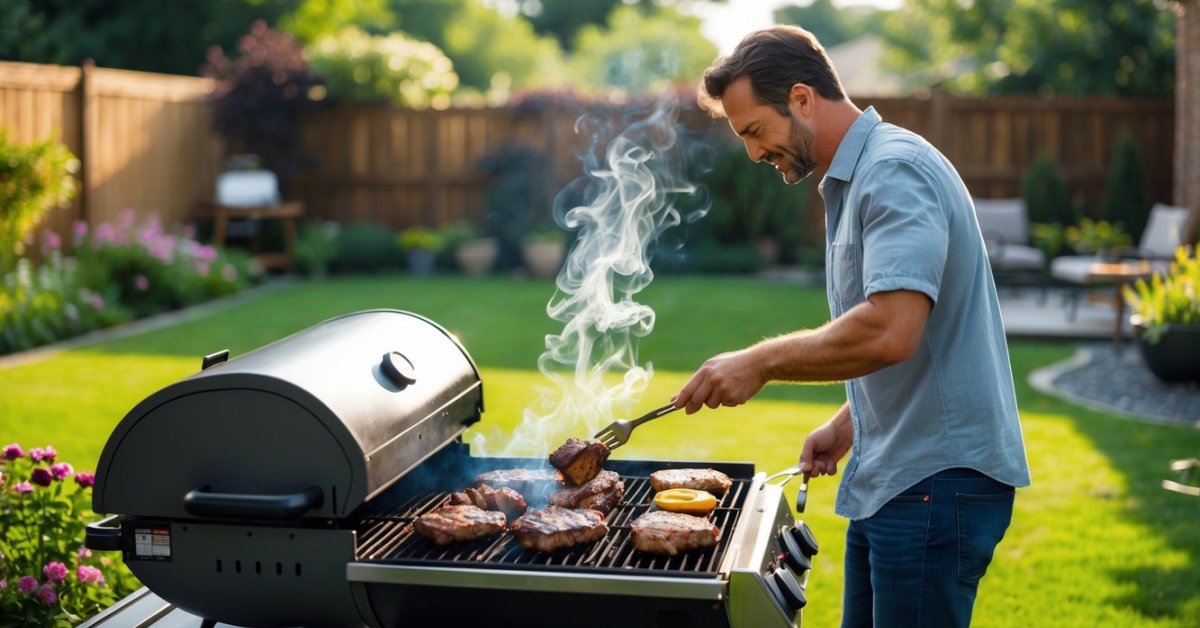
There’s nothing quite like the sizzle of burgers on a hot grill. I love the thrill of flipping patties and watching those grill marks form but I know that getting the perfect burger isn’t just about timing or instinct. The right thermometer takes the guesswork out and ensures every burger is juicy and safely cooked.
With so many options out there it can be tough to know which thermometer will really up your grilling game. I’ve tested a bunch to find the best ones for accuracy speed and ease of use. If you want to impress at your next cookout and never serve a dry or undercooked burger again you’re in the right place.
Why a Good Thermometer Matters for Grilling Burgers
Accurate temperature readings unlock perfectly cooked burgers. I learned early at my Texas food cart that a reliable thermometer’s the fastest way to reach the USDA’s recommended 160°F for ground beef, which prevents undercooking and stops bacteria like E. coli and Salmonella. Flare-ups or weather shifts affect grill surface heat, so internal temp always matters more than time or sight.
Consistent doneness separates dry burgers from juicy ones. My best bbq events always featured consistent, crowd-pleasing results, and a trustworthy thermometer made that possible. Different burger thicknesses, blends, or cheese fillings demand precision, not guesswork.
Confidence at the grill grows with the right tools. Fast digital thermometers like the Thermapen or ThermoWorks Dash show temps in under 3 seconds, letting me avoid overcooked patties or dry interiors. Extra features such as high-contrast displays or backlit screens help when I’m grilling at night or under a tent.
Knowledge of carryover cooking helps time every step right. I pull burgers off the grill at 155°F, since residual heat pushes them safely past 160°F in minutes. Precise thermometers let me hit this window for every burger, every time, with zero guesswork.
Burgers grilled with precision always earn repeat compliments, and a good thermometer makes it simple to impress at every cookout.
Key Features to Look for in a Burger Grill Thermometer
- Accuracy
Accuracy matters most when grilling burgers, since undercooked patties risk foodborne illness and overcooking dries them out. I use models like the ThermoWorks Thermapen ONE because their readings stay consistent within ±0.7°F, even when testing thick brisket burgers or thinner smash patties.
- Response Time
Response time impacts control over burger doneness, especially when grilling for a crowd. Instant-read thermometers, for example, display the core temperature in 2–3 seconds, so I avoid heat loss from an open grill lid and never overcook a batch.
- Temperature Range
Temperature range affects versatility: Thermometers with a minimum of 32°F and a maximum of 572°F let me check chilled ground beef while prepping or test a grill griddle’s surface heat for searing.
- Probe Design
Probe design influences ease of placement and reliability. Thin, tapered probes minimize juice loss and allow quick temperature checks. I prefer models with 4-inch or longer stainless probes for precise placement in burger centers.
- Display Readability
Display readability helps me work quickly in afternoon sun or smoky dusk. Backlit screens with bold digits—like in the Weber Instant-Read—keep numbers clear, even when my hands get greasy.
- Ease of Cleaning
Ease of cleaning keeps food safe. Waterproof or splash-resistant thermometers with sealed seams handle hasty rinses after checking greasy burgers or sticky BBQ sauce batches.
- Battery Life and Power Options
Battery life and power options reduce interruptions. Long-lasting coin-cell batteries or rechargeable lithium batteries let me grill week after week, even during back-to-back cookouts.
- Durability and Build Quality
Durability and build quality extend the life of a thermometer. Shock-resistant casings and sturdy construction stand up to the real-life drops and heat exposure I’ve put my own gear through.
- Special Features
Special features offer added value for frequent grillers. Rotating displays, magnetic mounting, and preset meat temperature alerts—like those on the ThermoPro TP19—keep grilling sessions organized and stress-free.
Top Thermometers for Grilling Burgers Reviewed
Finding the best thermometer makes a big difference when grilling burgers. I’ve grilled thousands of patties and tested countless models to narrow down the most reliable tools for juicy results every time.
Digital Instant-Read Thermometers
Digital instant-read thermometers give the fastest temperature checks. I reach for the ThermoWorks Thermapen ONE or Lavatools Javelin PRO Duo when grilling burgers at cookouts. Both take accurate readings in 2 seconds, so I don’t lose heat with the lid open. Slim probes insert cleanly into any burger, thick or thin. Bright backlit displays make numbers easy to read in sunlight or at night. I prefer these models because they combine water resistance with durable housing that handles outdoor grilling. Each comes with a folding probe that fits in a back pocket or apron.
Wireless Meat Thermometers
Wireless meat thermometers offer freedom to mingle while my burgers grill. I use the MEATER Plus and ThermoPro TempSpike for cooks needing extra monitoring. They let me track burger temperature from my phone, whether I’m checking sides or chatting with friends. Probes go directly in the patties, and real-time alerts signal when each burger reaches 155°F. Signal range extends up to 165 feet with clear Bluetooth, so I don’t have to hover at the grill. The mobile apps show target temps, elapsed time, and expected finish, which I find great for group grilling.
Probe Thermometers
Probe thermometers have wires connecting the probe to the display, offering reliable monitoring without guesswork. My favorite is the ThermoWorks ChefAlarm, which handles both burgers and larger cuts. I stick the slender probe in the burger, set the target temperature, and get a loud beep when it hits 155°F. Cords withstand high grill heat, letting me monitor several burgers at once with optional multiple probes. The digital screen stays visible on a table beside the grill, even in bright Texas sun. I rely on these thermometers for longer cooks when speed matters less but accuracy is key.
How to Use a Thermometer for Perfect Burgers
Insert a thermometer into the thickest part of the burger center, because this spot best reflects the true internal temperature. Slide the probe sideways into the burger rather than straight down from the top, since this technique gives a more accurate reading and avoids the grill grate’s heat. Avoid hitting the thermometer tip on the pan or grill surface, since metal contact skews the accuracy about 5–10°F.
Check burgers after 3–4 minutes per side for quarter-pounders, and sooner for thinner slider patties. Use instant-read types like the ThermoWorks Thermapen ONE to get a temperature reading within 1–3 seconds, reducing time with the grill lid open and keeping juices locked inside.
Read the display while the tip’s in the center and wait for the reading to stabilize. If you see temps within 2°F of your target, pull the burger. This small margin accounts for carryover cooking, since beef holds heat and climbs a few degrees off the grill. For medium burgers, I remove them at 155°F, knowing carryover will reach the recommended safe 160°F.
Wipe the thermometer probe with a wet towel or sanitize after every burger, since cross-contamination can happen if you check multiple patties. Rest burgers a few minutes after grilling, allowing juices to redistribute and the internal temperature to finish rising.
Rely on the thermometer for every burger batch, since differences in patty thickness, toppings, and grill heat cause temperature swings. This method provides perfect burgers every time, satisfying guests and keeping cookout results consistent.
Care and Maintenance Tips for Grill Thermometers
Regular Cleaning
I always clean my thermometer probe after every use to keep readings accurate and prevent bacteria growth. I use mild dish soap and warm water for the probe, taking care not to submerge digital units.
Proper Storage
I store thermometers in a protective case or drawer, away from direct heat and moisture. I never leave thermometers on the grill lid or near open flames, since heat damage shortens their lifespan.
Battery Replacement
I check battery life every few weeks, since weak batteries can cause slow response or false readings. I keep spare batteries handy—most models, like the Thermapen ONE, use AAA or coin cells.
Calibration Checks
I test accuracy every few months by checking against ice water (32°F) and boiling water (212°F at sea level). If I spot a significant difference, I recalibrate the unit or, if unavailable, consider replacing it if readings stay off.
Avoiding Probe Damage
I avoid exposing probes to direct flames or using them to poke hard foods, since bent tips or broken seals can cause faulty readings. I also never leave instant-read probes in meat while grilling—they’re not designed for prolonged high temps.
Sanitizing Between Cooks
I sanitize my probe with a food-safe disinfectant or alcohol wipe after every burger batch, especially when cooking for groups, to prevent cross-contamination.
Inspecting for Wear
I check for cracks, corrosion, or loose connections before and after big grill sessions. I replace thermometers that show signs of excess wear to ensure the best results every time I grill.
These habits keep my go-to grilling thermometers working right, batch after batch.
Conclusion
Grilling burgers should be fun and stress-free and having the right thermometer really takes the guesswork out of the process. I love knowing my burgers will turn out juicy and safe every single time.
Choosing a dependable thermometer and taking good care of it means you can focus on enjoying the cookout with friends and family. It’s a small investment that pays off with every delicious bite. Happy grilling!


