
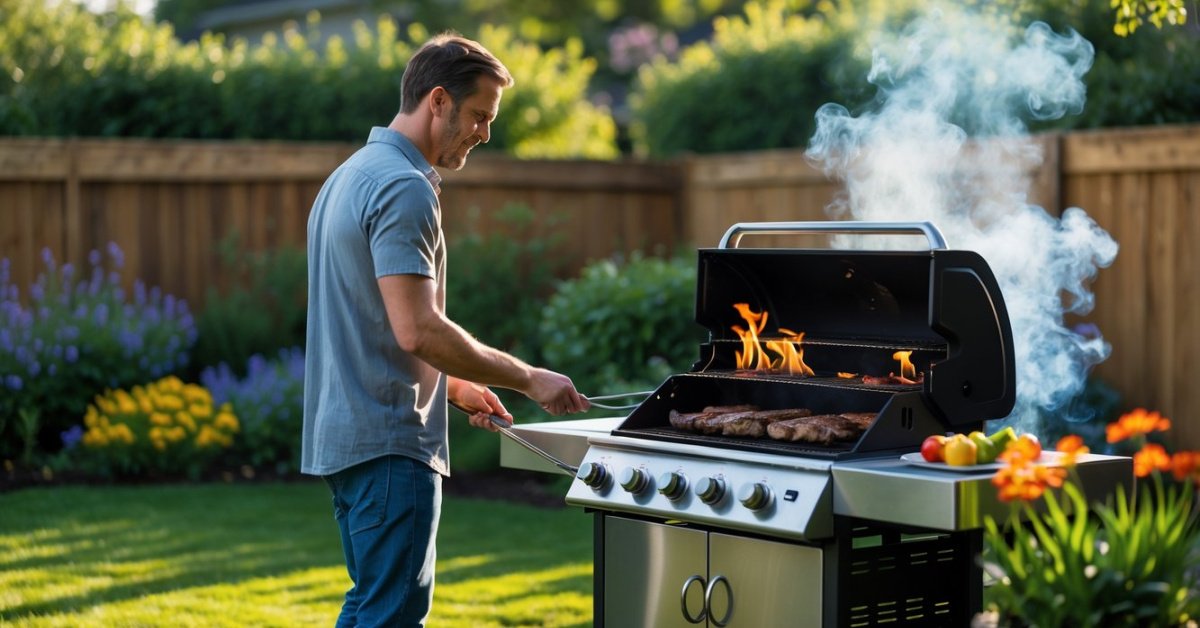
When I fire up my charcoal grill, I know that getting the temperature just right makes all the difference between a juicy steak and a dry disappointment. Relying on guesswork just isn’t enough when it comes to perfecting those smoky flavors. That’s where a trusty thermometer steps in and saves the day.
I’ve spent plenty of weekends testing out different thermometers to find the ones that truly deliver accuracy and ease of use. Whether you’re a backyard BBQ enthusiast or just getting started, picking the right thermometer can take your grilling game to a whole new level. Let’s dive into what makes a great thermometer for charcoal grills and why it matters for every cookout.
Why a Good Thermometer Matters for Charcoal Grilling
Accurate temperature control makes a real difference in charcoal grilling, especially when aiming for consistently cooked meat like brisket ribs or steak. Cheap or inaccurate thermometers often drift by 20°F or more, which leads to overcooked or undercooked food. Reliable thermometers, for example the ThermoWorks Smoke or the Weber iGrill, give me instant feedback and let me adjust vent positions or add coals before heat loss or spikes ruin the cook.
Juicy, tender results depend on precise doneness. Different meats hit perfection at different temps—rare steak at 125°F, pork shoulder at 203°F. I can’t feel these temps with a poke or a guess. Only a good thermometer gives me real data at a glance, so I pull the brisket or chicken at the exact right moment every time.
Safe grilling starts with hitting the USDA food-safe minimums, like 165°F for poultry or 145°F for pork. A flimsy grill lid thermometer won’t cut it—I always check thick cuts’ internal temps with a quality probe. Over a decade running my Texas bbq cart I trusted these numbers to keep customers happy and healthy.
Even for beginners, mastering the vents, airflow, and coal arrangement for stable temps becomes much simpler with a good thermometer showing the true ambient grill temp. I quickly spot hot or cold zones across the grate and know where to place food for indirect or direct heat recipes. That frees me up to focus on flavor and creativity, instead of stressing over hot spots or burned burgers.
Key Features to Look for in Charcoal Grill Thermometers
Finding the best thermometer for a charcoal grill hinges on a few key features. I check each model based on how these attributes impact my grilling routines and past experiences running a Texas BBQ cart.
Temperature Range and Accuracy
I focus on wide temperature ranges, since grilling steak, brisket, and ribs often means working anywhere from 150°F to over 700°F. Thermometers like the ThermoWorks Smoke deliver ±1.8°F accuracy, which keeps meat reliably juicy or perfectly charred. I avoid units with more than ±5°F variance or those lacking dual-probe options, since multi-zone grilling often means monitoring both pit and internal food temps at once.
Durability and Build Quality
I depend on thermometers that handle heat, smoke, and Texas wind without failing. Stainless-steel probes, heat-resistant cables, and water-resistant housings (like IPX7-rated digital models) handle real-world cookouts. I’ve seen flimsy plastic crack or seals melt, so only robust hardware stands up to repeated high-heat brisket nights or rainy backyard burger sessions.
Ease of Installation and Use
I always look for models that snap into grill lids, clamp to grates, or mount magnetically for fast setup, since standing by a scorching pit fiddling with screws isn’t practical. Backlit screens, large digits, and intuitive interfaces (like single-button Bluetooth pairing with the Weber iGrill) save time for tending ribs instead of checking the manual. Simplicity matters when multitasking or teaching new grillers—no learning curve lets me focus on smoke and flavor.
Types of Thermometers for Charcoal Grills
Charcoal grill thermometers come in several types, each suited for different setups and cooking styles. Knowing the main thermometer types helps me achieve the right temperature and cook my bbq just right.
Built-In vs. External Probes
Built-in thermometers sit on most grill lids, like those on classic Weber kettles, and measure air temperature at the dome. External probe thermometers use a separate metal probe placed at grate level or directly in food for core temperature readings. Built-in models give a quick glance at the heat inside the grill, which helps when adjusting vents, but I often find they show higher temps than what’s at grate level. External probes, such as the ones I use from ThermoWorks or Maverick, give precise readings at the cooking surface or within a brisket’s thickest part, which is crucial for getting ribs and pork shoulder just right. I always rely on external probes for long smokes or larger cuts of meat, as they give me the accuracy I trust from my food cart days.
Wireless and Smart Thermometers
Wireless and smart thermometers let me check temperatures from a distance, giving freedom to prep sides or enjoy company. Wireless models, like the ThermoPro TP20, use long-range radio signals to send real-time readings from probe to receiver. Smart thermometers, such as the Weber iGrill or Meater+, connect via Bluetooth or Wi-Fi to my phone, offering app integration for temp tracking, target alerts, and custom timers. I find these especially useful for overnight cooks or big gatherings, since I can monitor temps and get alerts if my coals drop or my brisket hits its stall. While wireless and smart systems cost a bit more than basics, the peace of mind and flexibility they offer make them my favorites for busy or complex cooks.
The Best Thermometers for Charcoal Grills: Top Picks
I’ve tested and compared dozens of grill thermometers, from entry models at backyard cookouts to high-end tech on my Texas BBQ cart. My current favorites match accuracy and durability with features that matter during real-life grilling.
Best Overall Thermometer
ThermoWorks Smoke X tops my list for best overall thermometer. Dual-channel probes deliver core and ambient readings, giving me control over both grill temp and food doneness. The ±1.8°F accuracy keeps brisket, ribs, or steaks cooked exactly to temp. Construction is rugged, rated IP66 against splashes or rain, and the radio range reaches 6,500 feet line-of-sight—enough for any backyard or event. You get responsive backlit screens and button controls that work even with greasy hands. When I want absolute reliability, I stick with the Smoke X.
Best Budget Option
Inkbird IBT-4XS offers great performance and value. Bluetooth connectivity lets me track temps from up to 150 feet away using my phone. Quad probes allow for monitoring multiple cuts at once—for example, a pair of chicken halves and a rack of ribs. I get ±2°F precision, rain-resistant durability, and a rechargeable battery that lasts nearly a full overnight cook. For those starting out or watching costs, this thermometer streamlines charcoal grilling without breaking the bank.
Best Smart Thermometer
MEATER Plus stands out as the best smart thermometer. The totally wireless design makes it easy to monitor thick briskets or whole birds without cable hassles. It gives internal temp, ambient grill temp, and estimates remaining cook time using its app. Bluetooth reaches about 165 feet, and the guided cooking system helps beginners hit target temps, especially for trickier cooks like pulled pork. I reach for the MEATER Plus when I want flexible, hands-off grilling.
Best for High-Temperature Grilling
ThermoPro TP20 shines for high-temperature grilling. Dual probes handle ambient and food temps simultaneously—ideal for reverse-searing thick steaks or cooking pizza at 700°F dome temps. Temperatures read up to 572°F, with a margin of error within ±1.8°F. The rugged, insulated probe wires never fail on sear sessions, and the no-frills remote lets me focus on the cook, not the tech. For any cook pushing the upper heat limits of a charcoal grill, the TP20 gives dependable, repeatable results.
Tips for Using and Maintaining Your Grill Thermometer
Calibrating for Accuracy
I check my thermometer’s accuracy before every cook. I use the ice water and boiling water tests for both digital and analog models. I compare readings to known boiling (212°F) and freezing (32°F) points, using a quality kitchen thermometer for reference if needed.
Cleaning After Every Cook
I wipe probes with a damp cloth after each use. I remove any grease or meat residue from the body and display, taking care not to submerge digital units. I use food-safe sanitizer spray or alcohol wipes for stubborn sticky spots.
Protecting from Moisture and Heat
I store thermometers indoors once they cool. I keep digital probes from direct flames and avoid exposing displays to rain. I use the original case or a sealed bag to shield against humidity, especially after grilling sessions in Texas summer storms.
Replacing Batteries and Probes
I replace batteries at the first sign of weak display or laggy response. I swap out probes if I notice wild fluctuations or physically damaged cables. I keep spares handy if grilling for a crowd or running an all-night BBQ smoke.
Storing Properly Between Cooks
I wind cords loosely and dock probes in holders. I avoid kinks or force on wires, which cause internal breaks. I label my different probe sets for meat, grill, and ambient readings so I grab the right one every time.
Avoiding Common Thermometer Mistakes
I avoid leaving probes in high flames or intense coals, since most grill probes read up to around 700°F but may fail above that. I double-check probes are fully inserted into meat to get reliable internal readings. I don’t slam down grill lids on cords, which can split insulation and ruin pricey probes.
Checking Calibration Regularly
I recheck calibration every ten cooks or after dropping the thermometer. I trust numbers only when I know the tool gives consistent readings.
Using Thermometer Placement for Best Results
I insert meat probes into the thickest part of steaks or roasts, making sure I miss bones or fat pockets. I keep ambient probes away from grill walls or direct convection to measure air temperature where the food sits. Accurate thermometer placement means juicier brisket and fewer overdone wings whether I’m smoking for a crowd or just myself.
Conclusion
Choosing the right thermometer has made all the difference in my grilling adventures. With the right tool I can focus on the flavors and the fun instead of second-guessing temperatures or worrying about undercooked food.
Whether you’re just starting out or looking to up your BBQ game investing in a reliable thermometer is a simple step that pays off every time you fire up the charcoal. Your steaks ribs and brisket will thank you.


