
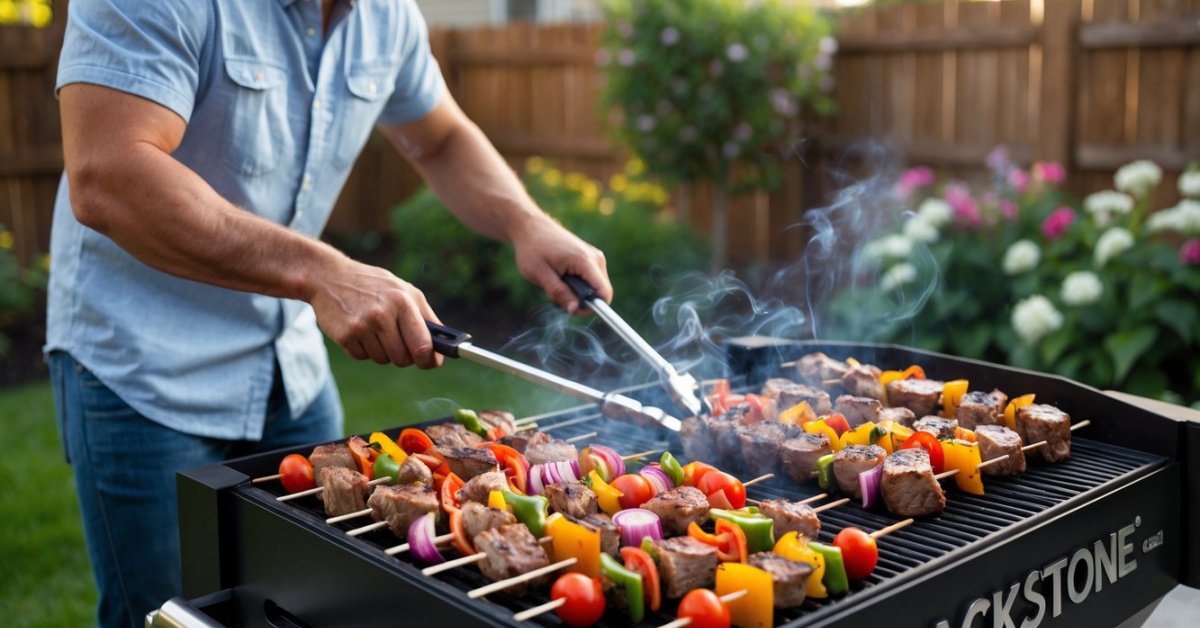
Nothing beats the sizzle of a grill under the open sky when I’m out camping. But even the best campfire chef knows that perfect burgers and juicy steaks depend on more than just a good cut of meat. That’s where a reliable grilling thermometer comes in handy.
I’ve learned the hard way that guessing the doneness of food over a campfire can lead to overcooked chicken or underdone sausages. With the right thermometer I get peace of mind and tastier meals. Whether I’m cooking for a crowd or just myself having the best grilling thermometer in my camping kit makes all the difference.
Why You Need a Grilling Thermometer for Camping Trips
Accurate grilling depends on temperature readings, especially outdoors. Campfires and portable grills almost never heat food evenly, making a thermometer essential. Guessing leads to dry chicken, undercooked pork, or steak that misses that perfect medium-rare mark.
Food safety improves with precise cooking. Undercooked meats, like chicken or sausage, often cause health problems. I learned early on in my bbq food cart days that a simple temperature check keeps friends and family safe whether grilling by a lake or in the backyard.
Meal quality rises with the right gadget. Using a grilling thermometer helps nail that juicy burger or tender ribs, even when battling wind or unpredictable heat. I bring a compact digital model on every trip since it prevents disappointment and makes even a basic meal memorable.
Confidence grows with the right gear. I feel at ease cooking for a crowd knowing everyone gets a perfectly cooked bite. Enjoying time outdoors means fewer worries about ruining dinner or wasting ingredients. Authentic camp cooking starts with the right tools, and a grilling thermometer tops my must-have list every time.
Key Features to Look for in Camping Grilling Thermometers
Grilling outdoors means my thermometer gets exposed to rough handling, unpredictable weather, and lots of travel. I always pay close attention to certain features that make a big difference when I’m grilling in the wild.
Portability and Durability
Compact designs let me toss my thermometer into a backpack without losing valuable space. Lightweight models like the ThermoPro TP03 or the Lavatools Javelin fit easily next to tongs and spatulas. Waterproof builds and sturdy bodies, using ABS plastic or stainless steel, handle rough campsites, rain, and the occasional drop on a rock. Foldable probes and cases protect sensors from damage during hikes to remote sites.
Battery Life and Power Options
Long battery life means I can rely on a thermometer trip after trip. Models such as the ThermoWorks ThermoPop keep going for up to 5,000 hours on a single battery. Replaceable AAA or coin batteries are more useful than proprietary charging cables, especially on longer adventures where I can’t count on patchy power sources. Some units even tout solar panels or manual power cranks for backup.
Temperature Range and Accuracy
Wide temperature ranges, from 32°F to 572°F, suit everything from steaks to slow-cooked pork shoulders on camp grills. High accuracy—within ±1.8°F—ensures doneness and food safety. Reliable sensors, such as those in the MEATER Plus, help me trust every reading, especially when cooking thicker cuts or working with irregular campfire heat.
Ease of Use and Display
Large, backlit digital displays help me see temperatures without squinting, even after sunset. Simple one-button operation and intuitive settings save time when I’m juggling multiple dishes. Rotating screens and clear icons, like those on the ThermoPro TP19H, are great for lefties or when I’m switching between hand tools and my trusty thermometer.
Top Picks: The Best Grilling Thermometers for Camping Trips
Finding reliable grilling thermometers makes camp cooking smooth and stress-free. I’ve tested a range of models on cross-country camping trips and backwoods outings, always chasing that perfect steak or juicy chicken over an open flame. Here are my top picks for grilling thermometers that shine outdoors.
Wireless and Bluetooth-Enabled Models
Wireless and Bluetooth grilling thermometers add freedom and convenience for camp grillers. I favor the MEATER Plus and ThermoPro TP25 for remote temperature tracking. Both models let me check meat temps from my phone, even while I’m poking the fire or chatting with friends. With Bluetooth ranges up to 165 feet, I get real-time alerts when the food reaches my target temperature. The MEATER Plus runs about 24 hours per charge and stores easily in a compact case, while the TP25 handles up to 4 probes at once, making it simple to grill multiple cuts without opening the lid.
Compact Instant-Read Thermometers
Instant-read thermometers make quick checks easy, especially in rough camp conditions. I always pack the ThermoWorks ThermoPop and Lavatools Javelin PRO Duo because both models deliver readings in under 4 seconds. The ThermoPop’s splash-proof design and bright rotating display come in handy by the campfire. The Javelin’s magnetic back attaches to any metal cooler or grill, keeping it within reach. Lightweight builds and one-handed operation mean I can check temps fast, even while wrangling tongs and burgers.
Multi-Probe and Versatile Options
Multi-probe thermometers suit campers grilling for a crowd or juggling several recipes. For groups, the Inkbird IBT-4XS stands out with its 4 included probes, wide 32°F to 482°F range, and rechargeable battery with up to 40 hours of use. I rely on this model for monitoring chicken, beef, and fish all at once at family campsites. The ThermoPro TP20 offers robust versatility too, with separated transmitter and receiver units that work wirelessly across distances up to 300 feet. Both options handle simultaneous cooks, which keeps meal prep on schedule and campers happy.
How to Choose the Right Thermometer for Your Camping Needs
I always match my grilling thermometer to my camping routine, food preferences, and cooking style. Assessing your typical setup helps filter options fast.
- Portability for Camp Cooking
I keep my setup as light as possible, carrying compact, folding thermometers like the ThermoPro TP03 for backpacking and simple car camping. Bulky models take up valuable space and rarely justify their extra features on the trail.
- Durability for Outdoor Use
I look for thermometers with rugged casings, waterproof seals, and reinforced probes when I know I’ll be camping for several days. Accidental drops, splashes, and campfire heat test cheaper builds quickly.
- Accuracy for Safe Grilling
I always check the spec sheet for ±1°F or ±0.5°C accuracy claims and real-world user reviews showing consistency in various grilling scenarios, including open fire, charcoal, and gas.
- Battery Life for Multi-Day Trips
I choose thermometers with at least 100-hour battery life or models with easy-to-replace standard batteries, since charging isn’t always an option at remote campsites.
- Temperature Range for Versatility
I select wide-range models, typically -58°F to 572°F, to cover anything from low-and-slow brisket to steak over high-heat flames.
- Display Visibility for Night Grilling
I consider thermometers with bright backlit displays and bold digits to make checking temps quick after dark—no more squinting at tiny numbers by the fire.
- Multiple Probes for Group Meals
I bring two- or four-probe models like the Inkbird IBT-4XS for group cookouts or advanced recipes, tracking different meats or pit temps without juggling multiple tools.
Each grill session on a camping trip has unique needs, but these factors guide my choice every time, ensuring both food safety and grilling pleasure in the great outdoors.
Tips for Using Grilling Thermometers While Camping
- Store Thermometer Safely
I always pack my grilling thermometer in a padded case or wrap it in a cloth to prevent damage during travel. Camp gear shifts in transit, so direct contact with metal tools or grates can dent screens or bend probes.
- Calibrate Before First Use
I calibrate thermometers before each trip with boiling water or an ice bath. Outdoor conditions like altitude changes or jostling can affect accuracy, and even the best models like the ThermoWorks ThermoPop benefit from a quick check.
- Preheat Grill or Fire
I let campfire grates or grill surfaces preheat before inserting the thermometer. Sudden heat changes can crack probes or give false readings if the probe starts out cold.
- Insert Probe Correctly
I insert the probe into the thickest part of the meat, away from bone or fat pockets, since muscle tissue provides the most accurate temperature for doneness. Large items like pork shoulder or brisket can have hotspots if the probe’s not centered.
- Track Temperatures in Real Time
I use the Bluetooth or wireless range of models like the MEATER Plus to monitor temps while I relax by the fire. Staying within 100–165 feet of the receiver ensures I get alerts without missing critical changes.
- Clean Between Uses
I wipe the probe with alcohol wipes or hot soapy water after every use to prevent cross-contamination, especially when cooking for groups with multiple proteins like chicken and steak.
- Mind Battery Life
I always carry a spare battery for instant-read models such as the Lavatools Javelin. Longer trips can eat through charge faster than expected, especially in colder weather.
- Use Backlight or Flashlight at Night
I rely on backlit screens or a small flashlight for evening grilling to read temperatures clearly. Models with large, bright displays save time and reduce errors during late-night cookouts.
- Avoid Direct Flame Exposure
I keep the thermometer probe away from direct flame because even sturdy probes can warp or lose accuracy if exposed to excessive heat. Instead, I hold the tip in the food and avoid touching hot grates or coals.
Conclusion
Every camping trip feels a little more relaxed when I know I’ve got the right tools packed. A dependable grilling thermometer lets me focus on the fun—sharing stories around the fire and enjoying delicious food with friends—rather than worrying about whether dinner is safe or tasty.
With so many great options out there it’s easy to find a thermometer that fits your camping style and cooking needs. Once you try grilling with one you’ll wonder how you ever managed without it.


