
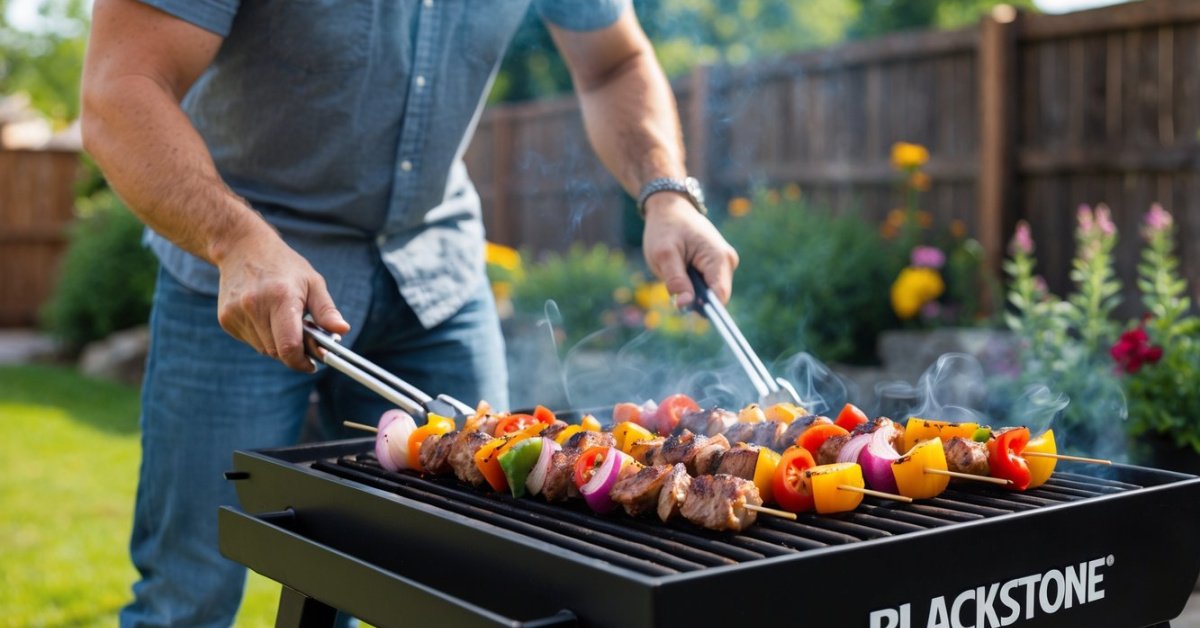
Grilling whole fish always feels a bit like a celebration to me. The sizzle the aroma and the beautiful presentation make it a real showstopper at any cookout. But getting that perfectly cooked fish—moist inside with a crisp skin—can be tricky if I’m just guessing when it’s done.
That’s where a good thermometer comes in. It takes the guesswork out of grilling and helps me serve up fish that’s safe juicy and packed with flavor. If you’ve ever worried about undercooking or drying out your catch you’re not alone. I’ll show you how using a thermometer can make all the difference for your next fish feast.
Choosing the Right Thermometer for Grilling Fish
Selecting an accurate thermometer makes whole fish grilling consistent and repeatable. I’ve grilled everything from snapper to trout, tracking temps on a dozen devices, and found some stand out over others for this job.
- Digital Instant-Read Thermometers: Digital instant-read thermometers give quick, precise readings—a must for fast-cooking fish. Models like the ThermoWorks Thermapen ONE or Lavatools Javelin provide readings in 2–3 seconds, letting me check temps without letting too much heat escape.
- Probe Length and Waterproof Design: Longer probes, 4–5 inches, help reach the thickest part of medium and large fish, like whole branzino or grouper. Waterproof options, such as the ThermoPro TP19, let me check doneness even with marinades or over charcoal, where splatters happen often.
- Backlit Display: Backlit displays make a difference when grilling at night or under a patio light. I tried several that were hard to read after sunset, but backlit displays, like in the Lavatools or ThermoWorks models, let me spot the number instantly.
- Accuracy: Trusted brands list the thermometer’s accuracy in specs, usually within ±0.9°F. I test mine with ice water and boiling water. Accurate readings protect flavor, especially when I’m grilling delicate fish like sole or tilapia, which can overcook quickly.
- Thermometer Response Time Table:
| Thermometer Model | Avg. Response Time | Waterproof | Backlit Display | Accuracy (±°F) |
|—————————-|——————-|————|—————–|—————|
| ThermoWorks Thermapen ONE | 1 second | Yes | Yes | 0.5 |
| Lavatools Javelin PRO Duo | 2 seconds | Yes | Yes | 0.9 |
| ThermoPro TP19 | 3 seconds | Yes | Yes | 0.9 |
Reliable thermometers serve as a dependable reference. Quick, accurate readings keep fish juicy, the skin crisp, and avoid overcooking, no matter the grilling technique or recipe.
Preparing the Whole Fish for Grilling
Scaling and Gutting
Removing scales and guts keeps the flesh clean and prevents off-flavors that affect grilling. I use a fish scaler for scales and a sharp fillet knife for gutting, rinsing the cavity thoroughly under cold water.
Patting Dry
Drying the fish with paper towels ensures the skin crisps up over direct heat, and moisture on the surface leads to steaming, not browning. I always check the cavity and skin for excess water before seasoning.
Scoring the Skin
Scoring the skin in 2-inch intervals helps heat penetrate evenly, which matters for accurate thermometer readings. I cut through the skin but not deep into the flesh, focusing on thicker fish like branzino or snapper.
Seasoning and Stuffing
Rubbing olive oil, salt, and pepper over the whole fish layers in flavor and improves browning. Stuffing the cavity with aromatics—like lemon slices, garlic cloves, or thyme—adds moisture and boosts aroma during grilling.
Trussing or Securing the Fish
Tying the fish with butcher’s twine or using toothpicks keeps it intact on the grill. This makes flipping easier, prevents tearing, and allows for precise thermometer placement without disturbing the stuffing or skin.
Oiling the Grill Grates
Brushing the grill grates with high-heat oil, such as grapeseed or canola, prevents sticking and ensures clean thermometer access. I use a folded paper towel dipped in oil, held with long tongs, to swipe across hot grates right before laying down the fish.
Steps for Using a Thermometer on Grilled Fish
Getting a perfect cook on whole fish takes precision. I rely on a thermometer for accuracy every time I grill—especially with fast-cooking favorites like red snapper or striped bass.
Inserting the Thermometer Properly
I always insert the thermometer into the thickest part of the fish, usually just behind the gills and away from the bones. This area cooks last, so it gives the most reliable temperature reading. I avoid touching the backbone, since that can throw off the numbers. For smaller fish like branzino, I use a slim, sharp probe to avoid tearing the flesh. For larger fish such as trout or salmon, a longer probe slides deep enough for an accurate check. I keep the probe steady to prevent the juice from escaping and drying the fish out.
Monitoring the Temperature While Grilling
I check the temperature about halfway through the estimated grilling time, then again as I approach the end. I look for 135°F (57°C) as the ideal internal temperature for moist and flaky results (USDA, 2024). I watch for the temp to climb steadily, not spike, which signals even cooking. I leave the thermometer in place for at least two to three seconds to catch the most accurate reading—especially important over direct heat. If I’m using an instant-read model with a backlit display, I can check after dark or in smoke without stopping the action. I pull the fish from the grill as soon as I hit my target; carryover heat finishes the cook as it rests.
Ideal Temperature Guidelines for Grilled Whole Fish
Getting the right internal temperature delivers a juicy whole fish with crisp skin every time. I always target 135°F (57°C) at the thickest point—this keeps the flesh flaky but still moist, no matter if I’m cooking red snapper, trout, or sea bass. The FDA lists 145°F (63°C) as the minimum safe temperature for finfish, but I pull mine at 135°F since carryover heat raises the temp a few more degrees while resting. This method produces consistently moist and flavorful results.
Fish thickness, skin-on vs. skinless, and whether you’re stuffing the cavity affect timing, but the 135°F mark works for me with most varieties around 1–2 pounds. For stuffed whole fish, I check both the stuffing and flesh to make sure both reach at least 135°F. If I’m using charcoal or pellet grills with variable hot spots, I always check a few spots with my thermometer before taking it off the heat.
Here’s a quick table of common fish types I grill, with their ideal target temps and resting times:
| Fish Type | Ideal Pull Temp (°F) | Resting Time (minutes) |
|---|---|---|
| Red Snapper | 135 | 5 |
| Rainbow Trout | 135 | 3 |
| Branzino | 135 | 4 |
| Sea Bass | 135 | 4 |
| Stuffed Fish | 135 (flesh/center) | 5–7 |
Accurate temperature checks let me serve safe, tender fish without worrying about overcooking or raw spots. I always recommend using a digital instant-read thermometer, especially for anyone new to fish grilling.
Tips for Perfectly Grilled Fish Every Time
- Dry Skin Produces Crisp Texture
I always pat the fish skin completely dry using paper towels before seasoning. Drying removes surface moisture so the fish sears instead of steaming, leading to crisp skin and easy release from grates.
- Score to Promote Even Cooking
I make shallow, diagonal cuts on both sides of the fish, especially over the thickest areas. Scoring ensures heat and seasoning penetrate evenly, preventing undercooked spots and boosting flavor.
- Stuff for Flavor and Juiciness
I stuff the fish cavity with slices of lemon, sprigs of dill, or crushed garlic cloves. Stuffing not only infuses the flesh with fragrance but also helps keep the fish moist as it grills.
- Generously Oil the Grates
I brush the grates with neutral oil using a folded paper towel held with tongs. Oiled grates stop sticking, help get the perfect crosshatch, and make thermometer insertion quick and clean.
- Use a Digital Thermometer Every Time
I rely on a fast-response, waterproof digital thermometer with a long probe. I always insert it into the thickest part of the fish, avoiding the bone, and check every few minutes near the end for precise results.
- Let Fish Rest Briefly
I remove the fish at an internal temperature of 135°F then rest it, tented with foil, for about 5 minutes. This brief rest period completes cooking using carryover heat and keeps juices locked in.
- Avoid Overcrowding on the Grill
I grill one or two whole fish at a time, setting them a few inches apart. Proper spacing allows even air and heat flow, ensuring no cold or hot spots and more accurate thermometer readings.
- Grill Over Medium-High Heat
I use medium-high heat (about 400°F at grate level) for most whole fish. This level allows the skin to crisp while the interior cooks gently—ideal for thermometer precision and moist fillets.
- Gently Flip Using Two Tools
I flip whole fish just once with the help of a sturdy spatula and long tongs. A single flip keeps the fish intact, maintains presentation, and gives the internal thermometer an accurate stationary reading.
These strategies let me consistently pull juicy, flavorful whole fish off the grill, with crisp skin and safe, tender flesh every time—thanks to a trusty grilling thermometer guiding the way.
Common Mistakes to Avoid
- Guessing doneness by sight or touch
I see many grillers poke or press the fish, hoping to gauge doneness by looks or feel. Fish can trick you because some fillets look opaque outside while staying raw at the center. Even the best chefs rely on thermometers, not instincts, for perfect results.
- Inserting the thermometer incorrectly
Sticking the probe into thin spots or too close to the bone gives false readings. I always insert the thermometer into the thickest part of the fish, parallel to the backbone, to get the most accurate internal temperature.
- Not calibrating your thermometer
Factory calibration sometimes drifts over time. I check mine with ice water (32°F) or boiling water (212°F at sea level) and recalibrate as needed. Uncalibrated thermometers create big errors that easily ruin expensive fish.
- Checking temperature too infrequently
Some wait until fish looks done before probing, but it’s usually too late. I start checking at least 5 minutes before the estimated finish, especially for smaller whole fish like trout or snapper, which cook fast over direct heat.
- Skipping rest time after grilling
Pulling fish and cutting right away causes juices to run out, leading to dry fillets. I let grilled whole fish rest under a loose foil tent for 3–5 minutes while carryover heat distributes, raising the center temperature by a few degrees and finishing it just right.
- Neglecting probe cleanliness
Reusing a dirty thermometer transfers flavors and bacteria. I wipe my probe with a food-safe disinfectant after every use, especially when grilling multiple fish back-to-back.
- Ignoring environmental factors
Wind, cold, and hot spots on the grill throw off timing. I always use a digital thermometer with a quick readout so I can account for fluctuating grill heat, particularly outside during Texas spring storms.
- Forgetting to oil the probe
Dry probes sometimes stick inside delicate fish flesh, making a mess when I check temps. A quick swipe with an oiled paper towel helps the thermometer slide in and out for smooth, clean readings.
Following these steps makes grilling whole fish with a thermometer both simple and precise, letting flavor—not guesswork—be the highlight of any bbq.
Conclusion
Grilling whole fish has always felt like a celebration to me and using a thermometer takes away any stress about doneness. With the right tools and a little care every cookout becomes a chance to serve up fish that’s moist flaky and bursting with flavor.
Once you get the hang of temp checks and prep steps you’ll find yourself grilling whole fish with confidence. It’s a simple upgrade that makes all the difference—so grab your thermometer and let the good times (and great meals) roll.


