
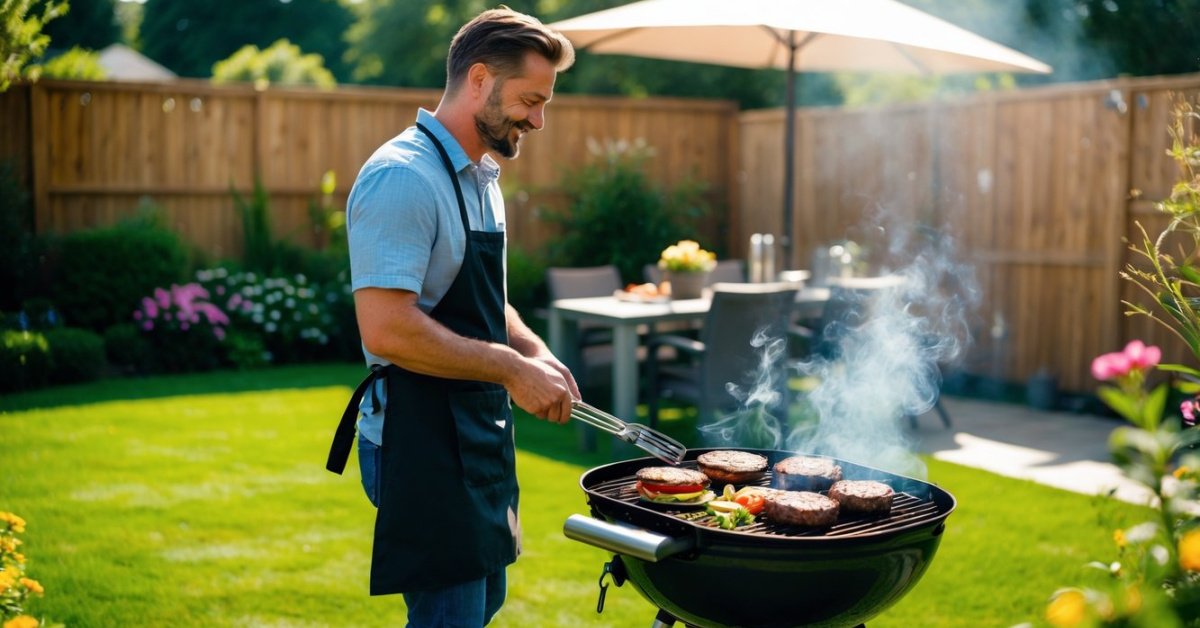
There’s nothing quite like the sizzle of chicken on a hot grill. I love that moment when the aroma fills the backyard and everyone gathers, hungry for perfectly cooked chicken. But I’ve learned the hard way that guessing when the chicken’s done can lead to dry bites or worse, undercooked surprises.
That’s where a good thermometer comes in. It’s my secret weapon for juicy, safe-to-eat chicken every single time. Using a thermometer isn’t just for professional chefs—it’s easy and makes a huge difference. Let me show you how a simple tool can take the guesswork out of grilling and help you serve up chicken that’s always spot-on.
Why Using a Thermometer Matters When Grilling Chicken
Using a thermometer gives me reliable results when grilling chicken, taking the guesswork out of the process. Raw or undercooked chicken can carry harmful bacteria, including Salmonella and Campylobacter, according to the USDA. Thermometers ensure chicken reaches the safe internal temperature of 165°F, protecting anyone I serve.
Juicy chicken comes down to hitting just the right doneness. With a thermometer, I know immediately when the thickest part of the chicken reaches the ideal internal temp, preventing it from drying out. I avoid slicing into the chicken to check for pinkness—that method wastes juices and gives mixed results.
Every grill behaves differently. Ambient temp, heat spots, and even the size of each cut can change how chicken cooks. Using a thermometer, I’ve learned I can compensate for grill inconsistencies by monitoring actual cooking progress, not just cooking time. Each batch comes out consistently juicy, flavorful, and safe.
Thermometers also help me experiment with different recipes and grilling techniques. Testing brines, rubs, or basting methods always gives clear feedback when tracked with a reliable reading. My food cart days showed me that crowds want safe, flavorful chicken every time, and a thermometer let me deliver that standard.
Types of Thermometers for Grilling
When grilling chicken, thermometers vary in design, speed, and function. I keep multiple types in my grilling toolkit so I can match the right tool to each situation.
Instant-Read Thermometers
Instant-read thermometers give me a quick, accurate temperature reading in seconds. Digital models, like the ThermoWorks Thermapen or Lavatools Javelin, show results in 2–3 seconds. I use these to check doneness near the end of grilling, inserting the probe into the thickest part of the chicken breast or thigh, away from the bone. These thermometers help me avoid overcooking juicy chicken or undercooking wings, providing a fast reality check without losing much grill heat.
Leave-In Probe Thermometers
Leave-in probe thermometers track the internal temperature during the entire cook. With models like the MEATER Plus or ThermoPro TP20, I insert a heat-safe probe into the thickest chicken piece and let the wire run out to a digital monitor—or go fully wireless. These are essential for whole chickens or large cuts, letting me keep the grill closed. Auditory alerts, smartphone connectivity, and preset temp alarms keep me focused on other prep tasks while the thermometer manages the critical details. Leave-in probe thermometers give me consistency and peace of mind, especially for longer barbecue sessions.
Step-By-Step Guide: How to Use a Thermometer for Grilling Chicken Perfectly
Grilling chicken with a thermometer ensures juicy, safe results every time. I rely on this process whether I’m cooking wings, thighs, or a whole chicken on the grill.
Prepping Your Chicken and Grill
I always start by patting the chicken dry with paper towels. Dry skin browns better, giving me that delicious, crispy exterior. I season the chicken right before grilling, making sure to coat all sides evenly with my favorite bbq rub or marinade. Clean grill grates and preheating are crucial—medium-high heat usually works best for most chicken cuts, so the meat cooks evenly and picks up good grill marks.
Inserting the Thermometer Correctly
I use an instant-read thermometer for quick checks or a leave-in probe for continuous tracking. Inserting the thermometer into the thickest part of the meat gives me the most accurate reading. For bone-in pieces like thighs or bone-in breasts, I keep the probe tip away from the bone since bones conduct heat differently and can inflate temperature readings. With whole chickens, I insert the thermometer into the inner thigh area, not touching the bone, since that spot usually cooks slowest.
Checking for the Perfect Temperature
I watch for the magic number—165°F (74°C) is the USDA minimum for safe chicken. When using an instant-read, I insert it only when I’m close to done, usually after 15-20 minutes depending on the cut. For a leave-in probe, I monitor temps throughout, removing the chicken when it hits 163-164°F. Carryover cooking bumps the temp to 165°F as it rests. Multiple readings in different spots keep me sure every piece is perfectly cooked and succulent.
Tips for Accurate Temperature Readings
Accurate temperature readings make a real difference in grilling juicy, safe chicken. Over years at my Texas food cart and backyard grill, I’ve tested plenty of thermometers and learned precise tips that keep my results spot-on.
Avoiding Common Mistakes
- Hitting Bone or Gristle: I always insert the thermometer into the thickest part of the chicken, steering clear of bone or gristle. Bone conducts heat differently and gives artificially high readings, making juicy chicken harder to achieve.
- Reading Too Soon: I let my thermometer stabilize for several seconds. Darting readings or early removal often lead to undercooked spots, especially with instant-read models like the ThermoPop or Lavatools Javelin.
- Single Reading Only: I take readings in two or three places, especially for bigger pieces like thighs or whole chickens. Uneven heating means one test point can be misleading.
- Piercing Multiple Times in the Same Place: I avoid poking repeatedly in the same hole. Repeat stabs let juices escape, drying out chicken and skewing results.
Calibrating Your Thermometer
I check calibration on my grilling thermometers once a month, especially before long weekend cooks.
- Ice Water Method: I fill a glass with ice and add water, then wait 2 minutes before inserting my thermometer. It should read 32°F (0°C).
- Boiling Water Method: Boiling water gives a quick calibration check at 212°F (100°C) at sea level, but I always adjust for my elevation in Texas.
- Adjusting Calibration: If my digital models like ThermoWorks or Inkbird misread more than 2°F off, I follow the instructions to recalibrate, or replace the probe if needed.
Taking these extra steps means every chicken I grill, whether wings, thighs, or a whole bird, hits the perfect mark for safety and flavor every time.
Safety and Doneness: Understanding Chicken Temperatures
Meeting food safety standards for chicken lets me relax and enjoy every bite. USDA guidelines set the minimum safe internal temperature for chicken at 165°F (74°C). Reaching this internal temp in the thickest part of the meat, without touching bones, eliminates Salmonella and Campylobacter—two bacteria that cause most foodborne illnesses in poultry. Each time I use my favorite thermometer to check the doneness, I match my results against these standards.
Monitoring chicken temperatures throughout the grilling process lets me control both safety and juiciness. Overshooting the 165°F mark by 5–10 degrees, which happens if I walk away or guess, dries out even the best thighs or breasts. I always wait until the thermometer holds steady at 165°F in multiple spots before removing the chicken from the grill. With boneless skinless chicken breasts or wings, I spot-check the thickest section. With drumsticks or thighs, I avoid the bone to prevent false high readings. For whole chickens, I check both the thickest part of the breast and the deepest part of the thigh.
Resting chicken after grilling lets juices redistribute and carries over extra degrees of internal heat. I move grilled chicken to a platter when the thermometer reads 160–162°F, since carryover pushes it up to the target 165°F off the grill. This method preserves moisture while securing food safety.
I’ve logged the following key chicken temperature data over years of grilling:
| Chicken Cut | Minimum Safe Temp | Checking Point |
|---|---|---|
| Breast | 165°F | Thickest part, no bone |
| Thigh/Drumstick | 165°F | Thickest area, avoid bone |
| Whole Chicken | 165°F | Deepest breast and thigh |
| Wings | 165°F | Thickest part of the wing |
Perfect chicken grilling means blending thermometer accuracy, timing, and food safety guidelines. Sticking to the right temperatures creates juicy, flavorful chicken every time.
Conclusion
Grilling chicken has become so much more enjoyable and stress-free now that I rely on a thermometer. It’s amazing how a simple tool can take the guesswork out of cooking and let me focus on flavor and fun.
I love knowing that every piece I serve is juicy and safe to eat. If you haven’t tried using a thermometer for grilling chicken yet I really encourage you to give it a shot. It’s a small change that makes a big difference in your grilling game.


