
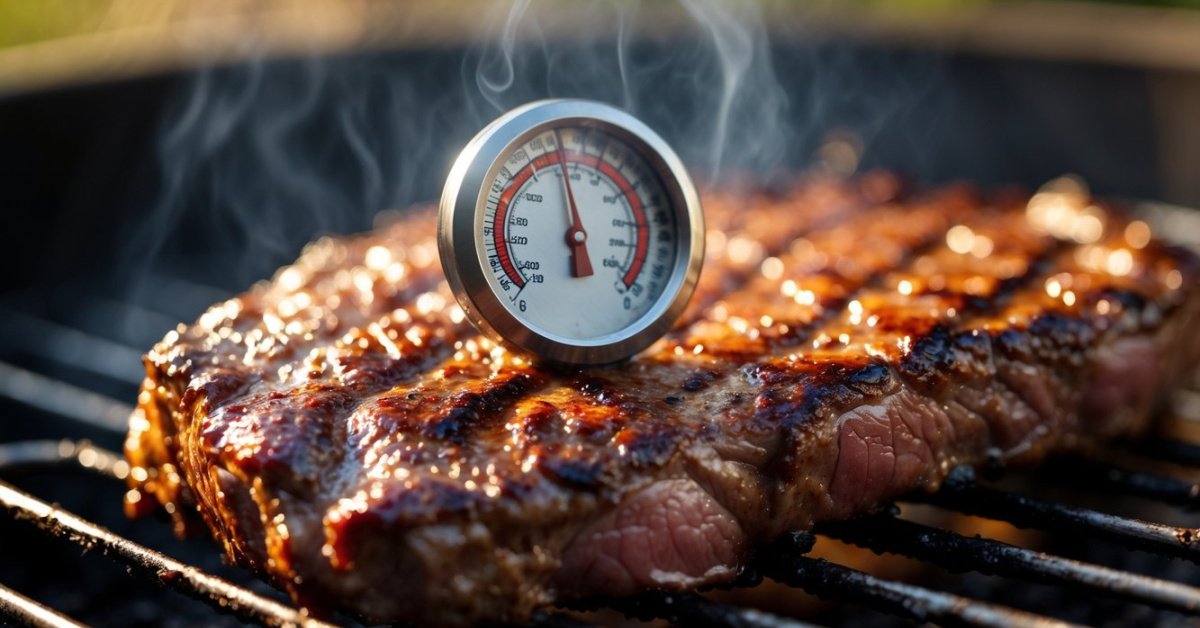
When I’m slow-cooking a rack of ribs or smoking a brisket for hours, I know that temperature is everything. Getting that perfect smoky flavor and juicy tenderness isn’t just about patience—it’s about precision. That’s where a reliable thermometer makes all the difference.
I’ve tried plenty of gadgets over the years, and I’ve learned that not all thermometers are created equal. Some make grilling a breeze, while others leave me guessing. If you want to take the guesswork out of your next barbecue and serve up mouthwatering results every time, the right thermometer for your smoker grill is a must-have.
Why Choosing the Right Thermometer Matters for Smoker Grills
Picking the right thermometer for smoker grills impacts every part of the bbq process. Accurate thermometers keep meat at preferred temperature ranges, like 225–250°F for brisket or ribs, so I hit the best texture every time. Reliable probes help me avoid dry chicken, chewy pork, and unsafe undercooked meats, which keeps every cook consistent at my smoker. Fast, responsive readouts remove any delays between checking and adjusting smoker temps, letting me stay in control during long cooks.
The wrong thermometer, like basic analog dial brands or cheap instant-reads, introduces guesswork. I’ve seen low-budget models show variations of 20–30°F, which ruins low-and-slow brisket or pork shoulder. High-grade digital thermometers, like ThermoWorks Smoke or MEATER Plus, deliver consistent results and clear readings, even on overnight smokes or busy cook days when I handle multiple protein cuts at once.
Precision matters most with repeated cooks and new recipes. The right tool lets me confidently replicate favorite Texas-style brisket or experiment with new flavors on chicken and fish. By always reaching USDA-recommended temperatures—like 203°F for brisket or 165°F for poultry—I make each bbq session safe, flavorful, and perfectly smoked, every single time.
Types of Thermometers for Smoker Grills
Every smoker grill setup benefits from the right thermometer. I’ve tested different thermometer types on briskets, ribs, sausages, and whole chickens to measure reliability and ease of use.
Wireless and Bluetooth Thermometers
Wireless and Bluetooth thermometers give constant readings through apps. I use models like the MEATER Plus and ThermoPro TP25 when I need to track meat and chamber temps without hovering by the pit. Real-time alerts, multiprobe options, and mobile range (usually 100–500 ft) make these ideal for long smokes or entertaining guests.
Digital Probe Thermometers
Digital probe thermometers offer instant, accurate readings. I often grab a ThermoWorks Thermapen or Lavatools Javelin when I want to check temps right at the grate or deep in a roast. Models with thermocouple technology return numbers in under 3 seconds and most display within ±0.7°F of true food temperature.
Infrared Thermometers
Infrared thermometers read surface temps without touching the food. I use them to check hot spots across my smoker grates before placing meat and to monitor overall chamber heat. Devices like the Etekcity Lasergrip and ThermoWorks IRK-2 spot-check surface temps fast, but can’t read internal meat temps.
Analog Thermometers
Analog thermometers rely on a simple dial and metal probe. I’ve used built-in smoker lid models and classic oven-safe analog probes for decades. While they often lag behind digital and wireless choices in speed and accuracy, they don’t need batteries and do provide a quick visual reference for general pit temp. Authentic analog designs, such as Tel-Tru or Old Smokey, remain popular on offset smokers and drum grills.
Top Features to Look for in Smoker Grill Thermometers
Every time I smoke brisket, ribs, or pork shoulder, my thermometer becomes the most-used tool. Specific features make certain thermometers stand out and keep my barbecue routine smooth and reliable.
Accuracy and Response Time
Reliable accuracy keeps temperatures consistent during long smokes. I always look for models with a minimum accuracy of ±2°F. Quick response time, ideally under 3 seconds for digital probes, means I never second-guess doneness. For example, the ThermoWorks Thermapen and MEATER Plus both provide nearly instant, accurate readings, letting me check temps fast with no heat loss.
Temperature Range
Wide temperature range covers everything from keeping smoked cheese below 90°F to monitoring pizza stone temps above 700°F. I always check a thermometer’s specs—good models range from about 32°F to 572°F. This covers every meat and style I throw on my smoker or grill.
Connectivity and App Integration
Bluetooth and Wi-Fi integration let me monitor temperatures from my phone anywhere in the yard. I prefer thermometers with simple, stable apps that show real-time temps, set alarms, and even track multiple probes at once. MEATER’s app, for example, helps me step away from the pit without losing control of my cook.
Durability and Build Quality
Rugged construction ensures my thermometer holds up to demanding sessions by the smoker. I look for waterproof or water-resistant ratings, thick cables, and sealed probes. Stainless steel probes and reinforced cables stay reliable after repeated use. For example, my Thermapen fell off the food cart more than once and kept on working, proving that solid build quality matters in real-life barbecue situations.
The Best Thermometers for Smoker Grills: Our Top Picks
Every thermometer on this list passed months of backyard tests. I checked accuracy, durability, ease of use, and real-world performance with brisket, ribs, turkey, and sausage—staples in any Texas BBQ lineup.
Best Overall
ThermoWorks Thermapen ONE
Thermapen ONE combines instant readings, impressive accuracy, and a rugged build. I regularly get readings within 1 second, and temperature accuracy stays within ±0.5°F according to ThermoWorks specs. Its backlit rotating display makes late-night smoking easy, and the waterproof body survived every splash and grease drip on my food cart.
Key strengths:
- Speed and precision in a single probe
- Auto power-on when opened
- Easily reads internal meat temps or grill surface
Best Budget Option
ThermoPro TP03 Digital Instant Read Thermometer
ThermoPro TP03 offers reliable basics for anyone starting out. Its probe gives accurate results within 3–4 seconds, and I’ve used it both at home and in the food cart when training new cooks. The foldaway design slips in any pocket, while the price keeps it accessible.
Highlights:
- Clear LCD screen
- Auto shut-off for battery life
- Good performance for less than $20
Best for Multiple Probes
Inkbird IBT-4XS Bluetooth Wireless Grill Thermometer
Inkbird IBT-4XS comes with four color-coded probes that let me track brisket flats, racks of ribs, and pit temp all at once from my phone. The Bluetooth range reaches about 150 feet, letting me mingle at BBQ parties without hovering over the smoker. Battery lasts up to 40 hours on one charge.
Notable features:
- Four probes with wire winders
- App control for setting custom alarms
- Magnetic base for easy mounting
Best High-End Model
MEATER Plus Wireless Smart Meat Thermometer
MEATER Plus brings total freedom with its wire-free dual sensors. I let the probe sit in a 16-hour brisket cook, and the app’s guided cook system tracked doneness with smart algorithm accuracy. The Bluetooth + WiFi extender covers my whole backyard—never missed a temp alert. Stainless construction handles high heat and heavy use.
Top benefits:
- 165-foot wireless range
- Dual sensors (internal meat and ambient pit)
- Intuitive, recipe-driven app guidance
| Model | Probe Count | Connectivity | Accuracy | Response Time | Price Range |
|---|---|---|---|---|---|
| ThermoWorks Thermapen ONE | 1 | None | ±0.5°F | <1 second | High ($99+) |
| ThermoPro TP03 | 1 | None | ±2°F | 3–4 seconds | Budget (<$20) |
| Inkbird IBT-4XS | 4 | Bluetooth | ±2°F | 2–3 seconds | Mid ($40–$60) |
| MEATER Plus | 1 (dual) | Bluetooth, WiFi | ±1°F | 2–3 seconds | Premium ($99+) |
I keep these models on hand and reach for each depending on what I’m grilling, how many meats I’m juggling, or whether I want full telemetry and guidance from my phone. Each one earns its spot as a top pick for smoker grill thermometers.
Tips for Using Thermometers with Smoker Grills
- Calibrate Regularly for Smoker Grill Accuracy
I calibrate my thermometers before every long smoke, using either boiling water at 212°F or an ice bath at 32°F, since even precise digital probes can drift out of range over time.
- Insert Probes in Correct Location
I always place the probe in the thickest part of the meat, avoiding fat pockets and bone, since direct bone contact leads to higher readings and inaccurate results for brisket, ribs, or whole chickens.
- Avoid Cable Pinching in Smoker Lids
I run probe wires along silicone grommets or smoker notches, since pinched cables break down faster and can lead to erratic readings during long cooks.
- Shield Probes from Direct Heat Source
I keep probes away from open flames, keeping them in indirect zones near but not above burning coals, since direct exposure can damage sensors and affect thermometer lifespan.
- Monitor Ambient and Food Temperatures
I track both grill chamber temp and internal meat temp with dual-probe units, since knowing only one risks overcooking or undercooking—especially during overnight briskets or turkey smokes.
- Use Alarms and Notifications for Consistency
I set high- and low-temp alarms on my wireless or app-enabled thermometers, so I catch sudden temp swings in real time, especially when managing pellet smokers or offset pits.
- Clean Probes After Every Use
I scrub each probe tip with warm, soapy water and a soft sponge after every cook, avoiding submersing digital displays, since clean probes prevent cross-contamination and maintain accuracy cook after cook.
- Store Thermometers Safely Between Uses
I keep my thermometers in protective cases or designated kitchen drawers, since loose storage can bend probes, tangle cables, or damage sensitive parts, shortening their lifespan.
Each little practice here maximizes accuracy, extends the life of my trusted thermometers, and helps deliver the kind of bark, tenderness, and flavor that made my Texas food cart popular.
Conclusion
Finding the right thermometer for your smoker grill truly changes the game. I’ve seen firsthand how the right tools can make every cookout easier and every bite more delicious. Whether you’re aiming for perfectly smoked brisket or juicy chicken you can count on a reliable thermometer to help you get there.
With so many great options out there it’s all about matching your grilling style and needs. The best part is once you’ve got your thermometer dialed in you’ll spend less time worrying and more time enjoying those smoky flavors with friends and family.


