
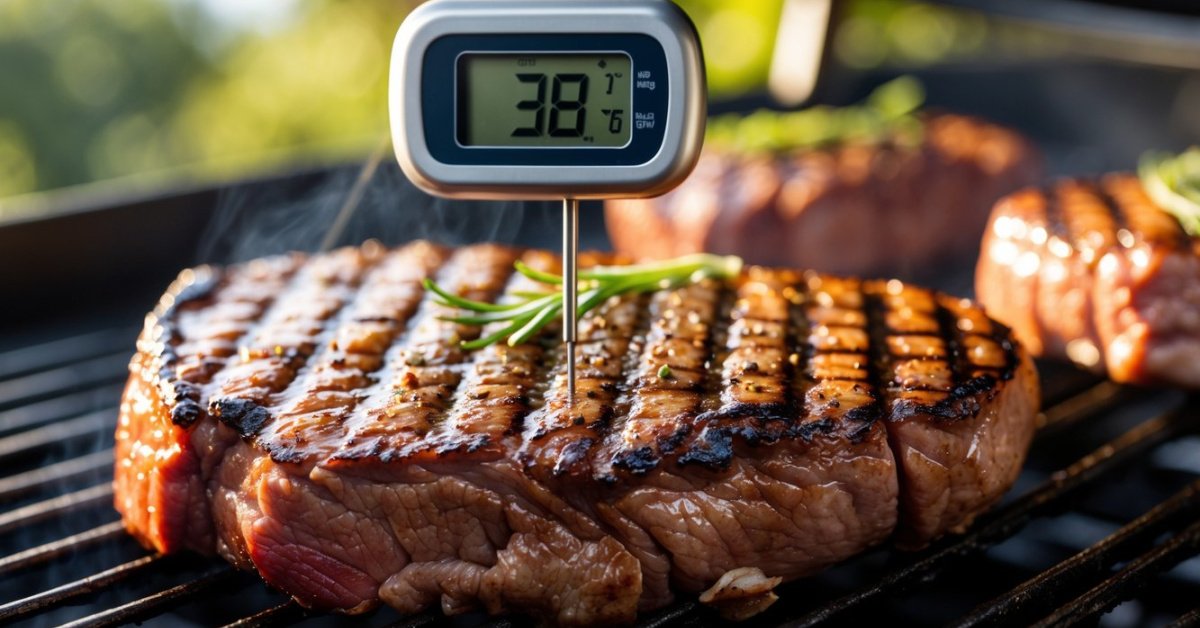
Grilling burgers always feels like a summer highlight for me but getting them just right can be tricky. I’ve learned that guessing when they’re done isn’t the best idea—no one wants a burger that’s too raw or dried out. That’s where a trusty thermometer comes in.
Using a thermometer takes the guesswork out of grilling and helps me serve up burgers that are juicy and safe to eat every time. It’s a simple tool that can make a big difference whether I’m cooking for a crowd or just myself. Let me share how I use a thermometer to grill burgers perfectly.
Why Using a Thermometer Matters for Grilling Burgers
Consistent burger doneness depends on using a grill thermometer. I use thermometers every time because color or juice alone doesn’t show when beef’s ready to eat. USDA guidelines (source: foodsafety.gov) list 160°F (71°C) as the safe internal temperature for ground beef, since bacteria mix throughout during grinding.
Safe grilling practices rely on thermometers. Undercooked burgers—like those still pink inside—can contain bacteria such as E. coli or Salmonella, which could remain even if the outside looks charred.
Juicy, flavorful burgers turn out best with proper temperature checks. Overcooking dries out patties quickly, especially on thinner burgers popular at food carts like mine was. By reading the internal temp, I keep every batch juicy, no matter the grill size or recipe.
Reliability sets thermometers apart from guessing and poking. Thumb-press tests or waiting for juices to run clear won’t compare to a digital or dial thermometer, which gives me precise data, whether I’m testing a thick brisket burger or classic single patty.
Perfect burger results repeat every cookout if I trust the thermometer. Friends and customers noticed the consistent juiciness and texture, whether I tried Texas-style smash burgers or stacked double cheeseburgers. Using a thermometer, I always know exactly when burgers are cooked just right.
Types of Thermometers for Grilling
I rely on different grill thermometers to get precise burger temperatures every time. Choosing the right type makes a real difference when grilling everything from classic beef patties to thick brisket burgers.
Instant-Read Thermometers
Instant-read thermometers give me a quick temperature check in seconds. I use digital models like the ThermoWorks Thermapen ONE and Lavatools Javelin PRO because they pierce burger patties easily and show the temp in about 2–3 seconds. I insert the probe into the thickest part of the patty, avoiding bone or grill grates for an accurate reading. After checking, I pull the probe out, wipe it, and check the next burger.
Leave-In Thermometers
Leave-in thermometers monitor the patty’s temperature while it cooks. Devices like the ThermoPro TP-20 or Weber iGrill Mini have a heat-safe probe I stick into the burger from the side before I close the grill lid. The display stays outside the grill so I can watch the number climb in real time. For busy backyard cookouts or thicker burgers, I rely on these to prevent overcooking and nail juicy results batch after batch.
Step-By-Step Guide: How to Use a Thermometer for Grilling Burgers
Using a grill thermometer takes burger grilling from guesswork to precision. I get juicy, consistently safe results every time by following these steps with my go-to thermometers.
Preparing the Burgers
I always shape my burger patties with an even thickness, about ¾ inch, for even cooking. I avoid overworking the ground beef to keep it tender. Before grilling, I preheat the grill to medium-high (about 400°F), then place the burgers on direct heat. I leave space between patties so I can reach each with a thermometer probe later.
Inserting the Thermometer Correctly
I insert the instant-read thermometer through the side of the burger, not the top. This way, the probe measures the center, where the temperature matters most. Pushing the probe in at least halfway ensures I’m reading the true internal temp, not just the surface. When I use leave-in thermometers for thick burgers, I insert the probe before grilling and make sure it sits in the thickest part of the patty, away from cheese or grill grates.
Checking for Safe Internal Temperatures
I always check burgers when they look nearly done, usually after 3-4 minutes per side for 1-inch-thick patties on a hot grill. My instant-read thermometer gives an accurate reading in about 2 seconds. Ground beef needs to reach 160°F (71°C), according to USDA food safety guidelines. I check the thickest part of each patty as even a small difference can affect juiciness and safety. If I’m cooking turkey or chicken burgers, I look for 165°F (74°C). When the right temperature hits, I pull the burgers off the grill right away to rest, locking in juices.
Tips for Accurate Temperature Readings
- Insert in the Thickest Part
I always insert my thermometer into the thickest part of the burger patty because this area heats slower and gives the most accurate internal reading. For thick patties like a 1/2-pound burger, I make sure the probe’s tip sits right in the center.
- Avoid Hitting Grill or Pan
I keep the thermometer tip away from the grill grate or pan since contact gives false high readings. I aim for the center of the meat to ensure I’m measuring burger temperature, not grill temperature.
- Minimize Probe Insertion Time
I leave my thermometer in just long enough to get a stable reading, especially with instant-read models like the Thermapen ONE. Short probe time helps preserve juices and keeps burger texture at its best.
- Clean Between Checks
I wipe the thermometer probe with a food-safe disinfecting wipe between checks when grilling multiple patties. Cross-contamination can spread bacteria, especially with mixed batches of beef, turkey, and chicken burgers.
- Let the Burger Rest Before Serving
I pull my burgers from the grill right at 160°F for beef, since carryover heat raises the temperature a few more degrees while the burgers rest under foil. This resting step protects juiciness and completes the cooking process.
- Calibrate Your Thermometer Regularly
I check and calibrate my thermometers at least once per bbq season. I test accuracy using an ice-water bath at 32°F (0°C) and boiling water at 212°F (100°C), following guidelines from manufacturers like ThermoWorks (“Thermapen ONE Manual,” ThermoWorks).
- Use Multiple Readings for Thick Patties
I’ll double-check thick burgers by inserting the thermometer from different angles. Variations in grind, moisture, or density can create hot or cold pockets, so two or three quick checks ensure doneness and safety.
| Tip | Best Practice Example |
|---|---|
| Insert in thickest part | Center of 1/2-pound beef patty for even reading |
| Avoid hitting grill or pan | Angle probe away from grill grate |
| Minimize probe insertion time | Use Thermapen ONE for quick, 1-2 second reading |
| Clean between checks | Disinfect probe between beef and poultry patty checks |
| Let burger rest before serving | Rest burger 2-3 minutes after grilling |
| Calibrate thermometer regularly | Use ice-water and boiling-water tests each season |
| Use multiple readings on thick burgers | Take 2-3 angles for 3/4-inch-thick patty |
Common Mistakes to Avoid
- Relying on Burger Color
Expect inconsistent results if you use color to determine doneness, since smoke, seasoning, and patty thickness all affect color. I trust only my thermometer for precise burger grilling.
- Hitting the Grill Grate with the Probe
Damage probes and cause false high readings by accidentally pressing the thermometer tip against the grill grates. I always make sure to measure at the center of the patty, away from hot metal surfaces.
- Taking the Temperature Too Early
Check burgers too soon and miss accurate internal temperature readings, especially with thick patties. I insert my thermometer only after at least 2 minutes per side, so the meat has time to cook through.
- Skipping Probe Cleaning
Risk cross-contamination by not cleaning the thermometer between checks. I use a sanitized towel or alcohol wipe every time I move from one patty to another.
- Leaving the Thermometer in Too Long
Lose juices and dry out burgers if you leave an instant-read probe in too long. I keep the probe in for a few seconds—long enough to see the number stabilize, then remove it.
- Not Calibrating Regularly
Get unreliable readings from poorly calibrated thermometers. I check the accuracy of my thermometers every few weeks using ice water and boiling water tests, then recalibrate if there’s a difference.
- Ignoring Rest Time After Temp Check
Cut burgers right after grilling and lose moisture fast. I always let them rest for at least 3 minutes after temping, allowing juices to redistribute for a juicier finish.
- Using a Dirty or Old Thermometer
Trust inaccurate or unsafe tools if you use dirty or aging thermometers. I keep extra batteries and replace worn-out probes as soon as accuracy drops.
Cleaning and Maintaining Your Thermometer
Cleaning your grilling thermometer after every use prevents buildup and cross-contamination. I clean my probe with hot soapy water right after checking burger temps, making sure to avoid submerging any digital or electronic sections. For models with waterproof labels like ThermoWorks Thermapen ONE, I sanitize using a food-safe disinfectant wipe.
Drying the probe thoroughly helps avoid rust and keeps readings accurate. I always dry my thermometer with a clean towel after rinsing, focusing on the full length of the metal stem.
Storing your thermometer away from grease, heat, and direct sunlight prevents damage. I keep mine in a protective sleeve or in a drawer separate from other utensils to avoid bending the probe and damaging the display.
Calibrating your thermometer monthly improves accuracy. I use the ice water and boiling water methods to check readings on my most-used thermometers. For models with a calibration screw or digital calibration, I follow the manufacturer’s steps listed in the manual.
Inspecting your thermometer for residue or corrosion ensures safe burger grilling. I check for stuck-on bits, cracks, or discolored spots before every session and clean any buildup right away.
Replacing batteries as soon as my thermometer gets sluggish or the screen dims keeps me from getting slow or inaccurate readings. I carry spares when grilling outdoors, especially with leave-in models like ThermoPro TP-20.
These cleaning and maintenance steps keep my grilling thermometers reliable and ensure juicy, safe burgers every time.
Conclusion
Grilling burgers has become so much more enjoyable and stress-free now that I rely on a thermometer. I never have to second-guess if my burgers are safe to eat or if they’ll turn out dry. With a little practice and the right tools, I can focus on the fun of grilling and sharing great food with friends and family.
If you haven’t tried using a thermometer yet, give it a shot at your next cookout. You’ll be amazed at the difference it makes in both taste and peace of mind.


