
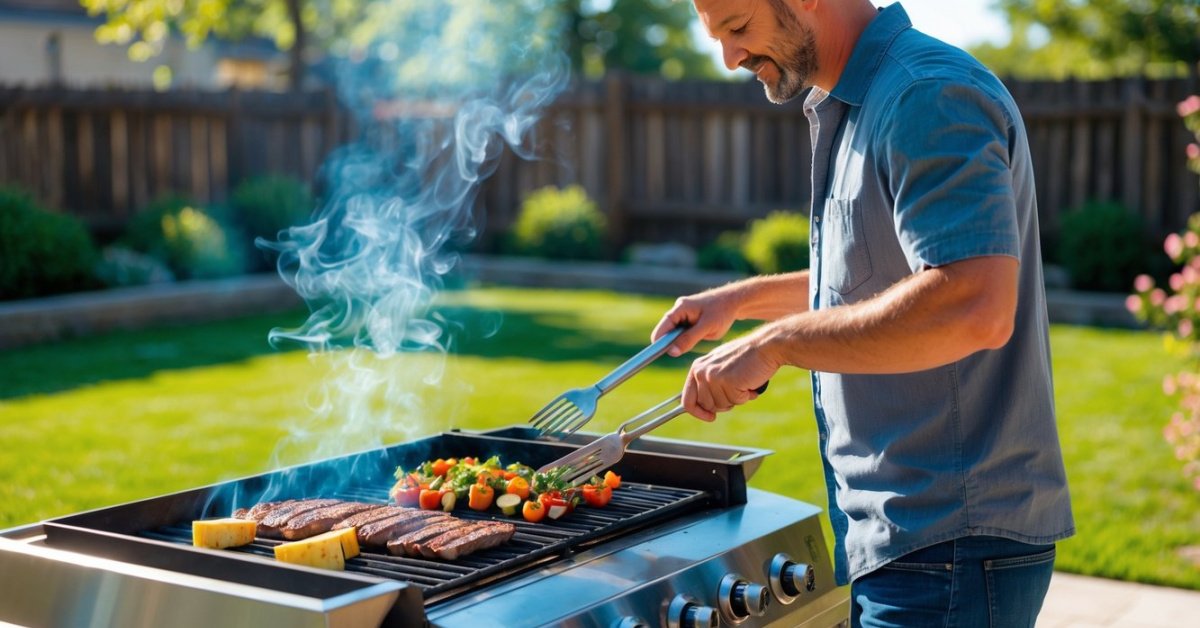
I love cooking but I know how tricky it can be to get that perfect doneness every time. That’s where a good instant-read thermometer comes in handy. It’s one of those kitchen tools I never knew I needed until I tried one and now I can’t imagine cooking without it.
With so many options out there it’s easy to get overwhelmed by flashy features or low prices. I’ve learned that not all instant-read thermometers are created equal. If you want reliable results and peace of mind at mealtime it pays to know what makes a thermometer truly high-quality.
What Makes an Instant-Read Thermometer High-Quality?
Accurate readings change how I grill because every second matters when steak, pork ribs, or brisket hit the heat. I check that a high-quality instant-read thermometer delivers precise temperatures within ±1°F, since small inaccuracies make the difference between juicy and dry results. I test my thermometers in ice water and boiling water to find out if the claims hold up, just like America’s Test Kitchen recommends.
Fast response time is essential for grilling, especially when I’m flipping multiple burgers or supervising a whole rack of chicken. I only keep thermometers that lock in a stable temperature in under three seconds; any slower and I lose that crucial sear or smoke.
Easy-to-read displays matter when sunlight bounces off my grill or I’m cooking at night. Large backlit screens let me catch the temp at a glance. Some models flip the display automatically, which helps when I’m reaching into a smoker and working at odd angles.
Durability holds up when grilling outdoors in Texas weather—humidity, heat, and an occasional bump or splash. I pick thermometers with waterproof or at least splash-resistant ratings (IP65 or IP67) and rugged, heat-resistant cases. Brands like ThermoWorks show up strong here.
Probe design affects how smoothly I can pierce thick brisket or delicate fish fillets. I favor thin, tapered stainless steel probes since they make smaller holes and give more consistent readings throughout meats.
Battery life matters when I run long smoking sessions, so lithium coin or rechargeable batteries serve me best. Models that shut off automatically mean I’m not hunting for new batteries every month.
Consistent build quality appears in brands recognized by BBQ pros and chefs—Thermapen, Lavatools, and ThermoPro, for example. These manufacturers back their products with warranties and customer support, which is easy to test and often separates cheap thermometers from reliable tools.
I use these features to judge thermometers in every session, ensuring each steak, brisket, and rack of ribs turns out perfect.
Key Features to Look For
Every grilling session benefits from the right tools, and my years behind a Texas food cart have taught me that not all instant-read thermometers deliver. I rely on a few specific features to find thermometers that consistently help me nail the perfect doneness.
Accuracy and Speed
Accurate and fast thermometers make grilling easier and results more reliable. I always check if a thermometer offers an accuracy within ±0.9°F, since I’ve seen even cheaper models drift by several degrees. Response times under 3 seconds mean I spend less time hovering over the grill. Brands like ThermoWorks and Lavatools repeatedly confirm their readings in my boiling water and ice tests. Fast, precise results let me get back to the barbecue instead of second-guessing temperatures.
Build Materials and Durability
Durability matters when you grill outdoors, especially in Texas heat. Stainless steel probes resist rust and stay sharp longer than generic alloy versions. Waterproofing rated at least IP65 keeps electronics safe from rain, sauce splashes, and dishwashing. I choose thermometers with a sturdy plastic or rubber-coated grip, since metal casings get hot fast on open grills. Drop-resistant enclosures keep my thermometers working after a few collisions with the patio.
Display and Readability
Display clarity helps when I check meat temps in midday glare or at night. Large, high-contrast digits are much easier to read than crowded screens. Backlit displays or rotating screens work well for awkward angles when I’m reaching across a hot pit. I like screens that reverse the numbers for left- or right-handed use, found on higher-end models like the Thermapen ONE. Clearly-marked units—Fahrenheit and Celsius—further reduce misreading, especially when sharing tools with friends.
Temperature Range and Versatility
Wide temperature ranges improve a thermometer’s usefulness for more than steaks. Models with -58°F to 572°F handle briskets, pork shoulders, candy syrup, and oil for frying wings. I look for models that list minimum and maximum temps on the packaging. Quick calibration helps when I work with different proteins or switch from grills to smokers. Probes that handle both instant and leave-in readings, like those on hybrid models, handle a wider array of backyard bbq recipes.
Additional Considerations
Selecting a top grilling thermometer involves more than speed or accuracy. I check other features that help during long cookouts and frequent use.
Battery Life and Power Options
Battery life in instant-read thermometers impacts grilling efficiency. Models with lithium or AAA batteries, like the ThermoWorks Thermapen, last up to 3,000 hours per charge. Some units offer CR2032 coin cell batteries, which usually provide around 1,500 hours. Rechargeable options exist, but I prefer swappable batteries—they avoid mid-session downtime. Auto-off features also help conserve power on the busiest days.
| Model Example | Battery Type | Typical Lifespan (Hours) |
|---|---|---|
| ThermoWorks Thermapen | AAA | 3,000 |
| Lavatools Javelin PRO Duo | CR2032 | 1,500 |
| Kizen Instant Read | CR2032 | 2,000 |
Ease of Cleaning and Maintenance
Ease of cleaning and maintenance directly affects long-term thermometer reliability. Stainless steel probes wipe down quickly with a damp towel or sanitizing wipe. IP65 or higher waterproof models handle a rinse under the faucet—essential after saucy ribs or chicken juice. Hinged probes last longer when folded and stored dry. A protective sheath reduces scratches during tailgates and helps keep readings spot-on for every cook. I steer clear of thermometers with hard-to-clean seams around the display or buttons since meat juices can collect there and hurt performance.
Tips for Testing an Instant-Read Thermometer
- Compare calibration with ice and boiling water tests
I always check an instant-read thermometer’s calibration by testing it in both ice water and boiling water. It should read 32°F in a glass of ice water with just enough liquid to surround the probe, and hit 212°F in vigorously boiling water at sea level. If it’s within ±0.9°F or ±0.5°C of those points, it passes my accuracy test for grilling.
- Assess response time with quick insertion
I insert the probe into thick cuts of meat or a mug of hot water to see how fast it locks onto the correct reading. High-quality models hit a stable, accurate temp in under 3 seconds, which is crucial when I’m flipping ribs or brisket over an open flame.
- Check for consistency across different spots
I move the probe between the thickest and thinnest parts of a cut, like a chicken breast or steak. I look for the reading to respond quickly and to match each spot’s doneness. An inconsistent thermometer can ruin a whole tray of Texas-style smoked sausage.
- Evaluate display in direct sunlight and low-light
I always check the screen outdoors in bright daylight and at dusk at the smoker. A good instant-read thermometer shows big, clear, high-contrast numbers even in harsh sunlight or late-night grill sessions.
- Test durability with repeated use
I run thermometers through repeated start-stop grilling sessions, sometimes splashing, sometimes dropping them. A great model survives being knocked off the pit and stands up to hot, smoky, greasy environments day after day.
- Confirm waterproofing by rinsing under water
I clean the probe under running water and watch for signs of water getting inside the display or seams. Models with an IP65 rating or higher always handle this, which means they’ll last for years of messy bbq.
- Review battery access and recharge cycles
I pop open the battery compartment, if possible, to check if replacements are quick. I also time how many cooks it lasts before needing new batteries or a recharge. Good instant-reads don’t stall in the middle of a cook session due to power issues.
These field tests give me the confidence to recommend specific thermometers for serious grillers who want perfect brisket and killer ribs every time.
Conclusion
Finding the right instant-read thermometer has made a huge difference in my cooking confidence and results. I no longer have to guess or stress about whether my steak is overdone or my chicken is undercooked.
With a dependable thermometer in hand I can focus more on enjoying the process and sharing great meals with friends and family. If you’re serious about grilling or just want more consistent results I can’t recommend investing in a high-quality thermometer enough.


