
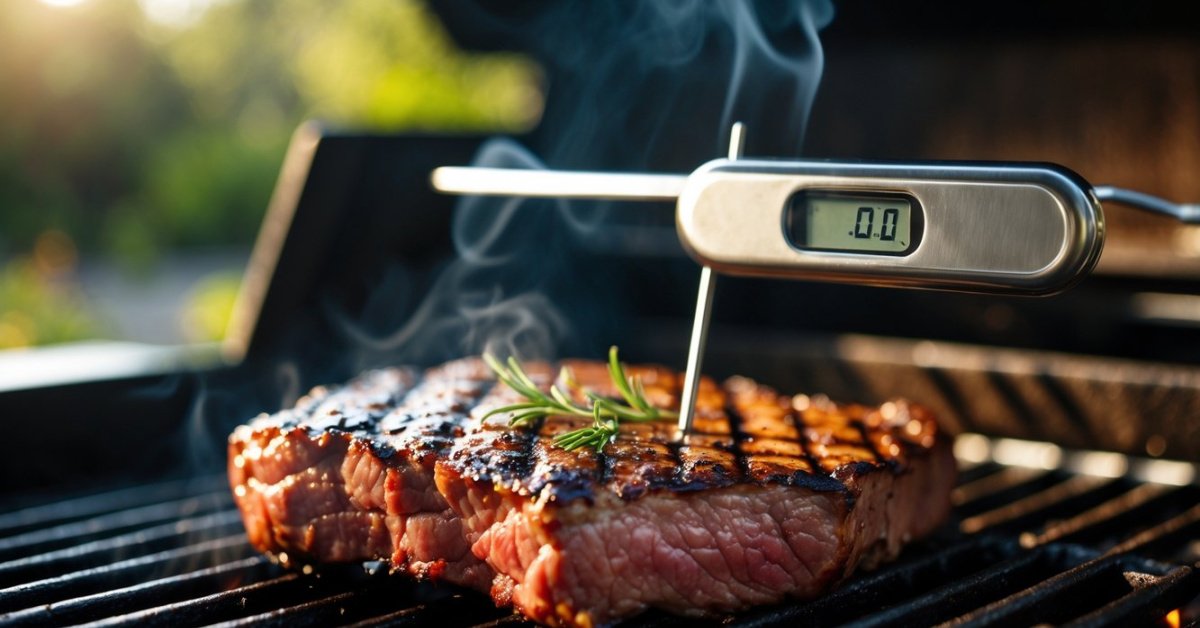
When I’m in the kitchen, getting the perfect temperature can make or break a meal. Whether I’m grilling steaks or roasting a chicken, I know that the right thermometer is my secret weapon. But with so many options out there, it’s easy to get stuck choosing between an instant-read and a leave-in thermometer.
I remember the first time I tried to decide which one to buy—it felt like a big commitment. Each type has its own perks and quirks, and picking the right one depends on how I like to cook. If you’ve ever wondered which thermometer is best for your style, you’re definitely not alone.
Understanding Instant-Read and Leave-In Thermometers
Choosing between instant-read and leave-in thermometers matters when hitting that perfect doneness for ribs, chicken, or brisket. I’ve tested dozens through years of backyard sessions and food cart rushes, and I don’t skip details when judging what really sets these tools apart.
Key Differences Between the Two Types
- Instant-read thermometers give quick temperature readings, usually within 2 to 5 seconds, when I probe thick steaks or burgers at the grill. Leave-in thermometers monitor meat’s internal temp while it cooks, showing changes on an external display, which I use during low-and-slow brisket smokes.
- Instant-read models stay in the meat for a few seconds per check, so I keep my grill lid closed more often. Leave-in thermometers remain in place the entire cook, so I spot temp spikes or drops without losing heat.
- Instant-read options suit cuts that finish fast—thin pork chops or chicken breasts, for example. Leave-in types make monitoring roasts or large cuts, like pork shoulders, much simpler.
How Each Thermometer Works
Instant-read thermometers measure temp at the probe’s tip as soon as I insert it, using thermocouple or thermistor sensors for accuracy. Most display the result in under five seconds—I check several spots to confirm doneness.
Leave-in thermometers use a cable or wireless probe that I push into meat before cooking starts. The readout stays outside the pit or oven, updating real-time temps throughout the cook. Some newer wireless models even sync with phone apps—I keep one running for overnight brisket sessions.
Pros and Cons of Instant-Read Thermometers
Instant-read thermometers offer fast, accurate results right at the grill. I rely on them every week when checking the doneness of steaks, chops, or burgers.
Advantages of Instant-Read Thermometers
- Rapid readings: I get temperature results in 2–5 seconds, even when flipping pork steaks or tri-tip, which helps me avoid overcooking.
- High precision: These tools deliver accuracy to within ±2°F, based on USDA and Consumer Reports testing, so I can trust my brisket point won’t go a degree higher than intended.
- Compact size: Models from ThermoWorks or Lavatools fit easily in my apron pocket or on my food cart shelf.
- Easy cleaning: A single, slender probe makes cleanup quick after checking chicken thighs or ribs.
Potential Drawbacks
- No continuous monitoring: I can’t leave these thermometers in the meat on the grill, so I must open the lid for each temperature check, which lets out heat and smoke.
- Not ideal for large roasts: When working on whole packer briskets or pork butts, I risk losing accuracy if I check in different spots without tracking which area I last tested.
- Extra handling: Frequent use with thick cuts or frequent checks means more time at a hot grill, especially during rush hours on my old BBQ cart.
Pros and Cons of Leave-In Thermometers
Leave-in thermometers take a lot of the guesswork out of grilling larger cuts. My experience running a BBQ cart in Texas taught me that being able to monitor temps in real-time keeps roasts juicy and customers happy. Here’s how these tools perform in the backyard and at the smoker.
Advantages of Leave-In Thermometers
- Continuous monitoring lets me see the exact temperature inside a brisket or pork shoulder without opening the grill. I set my probe, shut the lid, and let the thermometer handle the updates.
- Precise alarms on digital models alert me when my target temp’s hit. Wireless units—like those from ThermoWorks or Inkbird—send notifications right to my phone, so I can check on dinner from anywhere in the yard.
- Versatility covers low-and-slow sessions, whole poultry, and even bread-baking. I rarely lose track of doneness with thicker or bone-in cuts, since the probe stays in place through the whole cook.
- Consistent results mean fewer dry or undercooked batches. Data logging lets me track temp changes for future tweaks in my recipes.
Potential Drawbacks
- Limited mobility ties the probe to the grill, so if I forget and yank it out, I risk damaging the cord or sensor.
- Bulky probe wires can get in the way or tangle near hot coals if I’m not careful, and cleaning around them takes longer than with compact instant-read models.
- Placement matters; if I insert the probe too close to a bone or fat pocket, I get inaccurate readings, which throws off my finish times.
- Higher costs affect some advanced wireless models, since multi-probe features and app connectivity push prices over $60 per unit.
- Battery reliance creates problems during longer smokes if I don’t keep spare batteries or if the connection drops unexpectedly.
My BBQ routine always gets a boost with a reliable leave-in thermometer, but I balance convenience against a few extra steps and costs.
Factors to Consider When Choosing
Choosing between instant-read and leave-in thermometers means paying close attention to how you cook, your accuracy needs, and your budget. I’ve tested dozens of tools at my Texas BBQ cart and in my home kitchen, so these factors have always guided my choices.
Cooking Styles and Intended Use
Matching thermometers to cooking styles drives better results. I grab my instant-read thermometer for grilling ribeyes, chicken thighs, or smash burgers that finish fast, since it lets me spot-check doneness without losing too much grill heat. I rely on leave-in thermometers for big briskets, pork shoulders, or holiday turkeys where ongoing internal temperature makes or breaks the meal. If you grill small cuts often, instant-read saves time. If you slow-cook large meats or smoke foods for hours, leave-in models offer control and peace of mind.
Accuracy and Response Time
Prioritizing accuracy and speed shapes your thermometer experience. Instant-read thermometers usually show results in 2 to 5 seconds, with digital probes accurate to within ±2°F, ideal for checking steaks and quick-cooking seafood. Leave-in digital thermometers take a few extra seconds but keep you updated every moment, so you spot any temp swings or heat spikes. If you value split-second accuracy, instant-read gives the edge; for constant temp awareness, leave-in types stay in the lead.
Budget and Durability
Calculating cost and lastingness helps narrow choices. Budget models of each type exist, but premium brands cost from $15 for basic instant-read probes to $100+ for advanced wireless leave-in systems. I’ve found budget instant-read units last several seasons if cleaned and handled well, while wired leave-in thermometers, especially with solid steel probes and heatproof wiring, hold up for years. Water resistance, sturdy build, and easy-to-read screens add value, so I balance features with price. If you cook outdoors year-round like I do, investing in a tougher model pays off in the long run.
Making the Right Choice for Your Needs
Finding the right thermometer boosts your grilling success, no matter the meat or setup. I rely on experience from my Texas BBQ cart and home test cooks to match tools with habits and goals.
Recommendations Based on Cooking Habits
Matching thermometer types with cooking habits streamlines your process. If you mostly grill thin steaks, chops, burgers, or fish, I recommend an instant-read thermometer. Instant-reads offer control with a few-second check on doneness before food leaves the grate.
If smoking brisket, pork butts, or whole chickens, I stick to a leave-in thermometer. Leave-in models track temps without opening your grill or smoker, preserving heat for consistent results. Complex cooks—like multiple racks of ribs for a crowd—become easier with probe alarms and remote monitoring, especially on long overnight smokes.
For mixed grilling routines, I keep both types handy. Quick-checks with an instant-read keep grilled veggies or reverse-seared steak on target, while a leave-in thermometer frees me up during lengthy slow cooks. My kitchen drawer always holds at least one of each.
Tips for Optimal Use
Using thermometers correctly increases accuracy and extends the tool’s life. For instant-read thermometers, I insert the probe into the thickest part of the meat and avoid touching bone or gristle, since this skews readings. I always clean the probe with alcohol wipes after each use to prevent cross-contamination. For fast checks on multiple cuts, I test each piece and wipe clean between pokes.
For leave-in thermometers, I position probes before cooking, targeting the geometric center of roasts or thickest zone of bone-in cuts. Cable management helps—running wires safely outside grill seals stops wire kinks and closes gaps. I double-check calibration a few times per year by testing in ice water and boiling water.
To lengthen battery life of digital models, I remove batteries if not cooking for a while. Backups stay in my gear bag, especially on road trips or BBQ events.
Through hands-on trial, these tips help keep every brisket, steak, or chop perfectly cooked and every thermometer performing its best.
Conclusion
When it comes to choosing between instant-read and leave-in thermometers I’ve found that it’s really about what fits my kitchen habits best. There’s no single right answer for everyone and that’s what keeps cooking interesting.
I love knowing that whichever thermometer I reach for I’m setting myself up for tastier meals and less guesswork. With a bit of practice and the right tool I can focus on enjoying the process and sharing great food with friends and family.


