
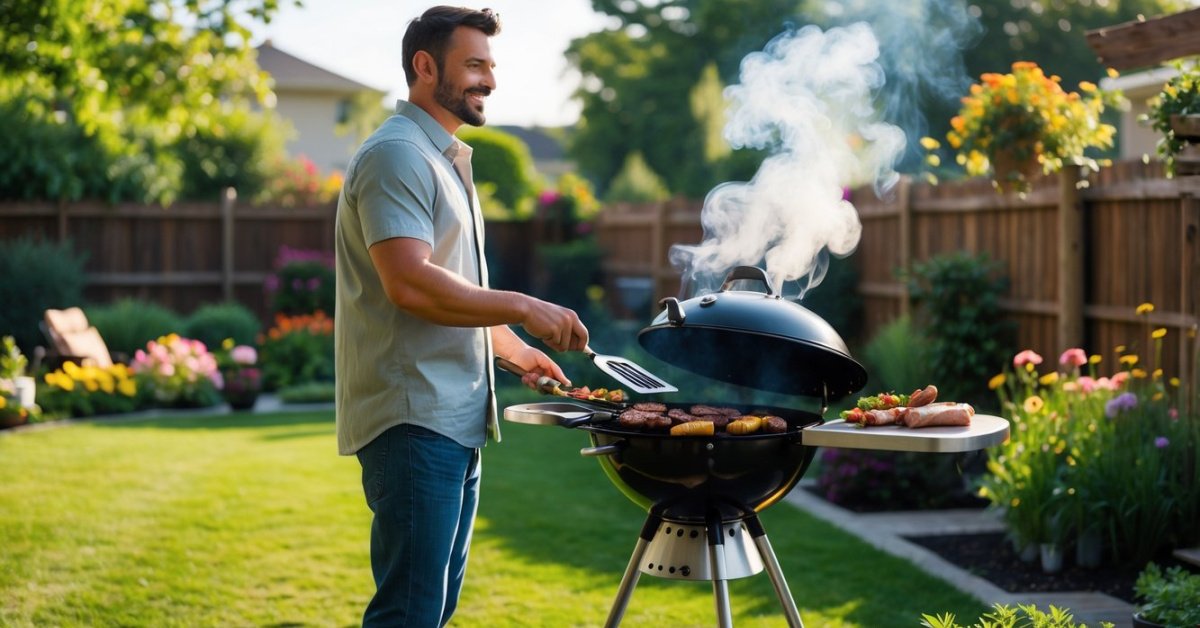
Nothing beats the thrill of grilling a massive roast and carving into it to find that perfect juicy center. I’ve learned the hard way that guessing doneness by sight or touch just doesn’t cut it when you’re working with thick cuts of meat. That’s where a reliable thermometer comes in—it takes the stress out of grilling and helps me serve up roasts that are spot-on every time.
With so many thermometer options out there it can feel overwhelming to pick the right one for your grilling adventures. I want to share what I’ve discovered about choosing the best thermometer for large roasts so you can grill with confidence and impress your guests at your next cookout.
Understanding the Importance of Accurate Temperature in Grilling Large Roasts
Accurate temperature control turns large roasts into consistently juicy cuts. Cooking brisket, pork shoulder, or whole turkey depends on reaching the ideal internal temperature because even a 5°F difference can change texture and flavor dramatically. For example, brisket hits optimum tenderness at 203°F, while turkey needs 165°F in the breast for food safety, according to USDA guidelines.
Doneness and safety always connect when grilling roasts. Undercooked pork roast carries a risk of trichinosis, while overcooked beef roast dries out the meat. I’ve learned that guessing doneness by timing leads to overcooked brisket or underdone pork, which disappointed customers back when I ran my Texas food cart.
Consistency becomes possible by tracking temperature during the entire cook. Fluctuations in grill heat and the size of a prime rib can make roasting unpredictable. My best results always came from using a thermometer to verify the internal temperature in thickest portions, no matter the recipe.
Real-time temperature feedback matters when grilling outdoors. Rain, wind, or opening the grill lid can drop pit temps quickly. Through regular thermometer use, I prevent temperature swings from ruining big cuts, which makes every cookout a success for both me and my guests.
Types of Thermometers for Grilling Large Roasts
When I grill big cuts like brisket or pork shoulder, I rely on specific types of thermometers. Each style offers unique features for different grilling situations, especially when I’m aiming for precise doneness or juggling multiple roasts.
Instant-Read Thermometers
Instant-read thermometers give fast temperature readings in just 2-4 seconds once I insert the probe. I use these for quick spot checks after moving a roast or as I get close to my target temperature. Digital models often display temps clearly on backlit screens, making them easy to use at dusk or in smoky conditions. For thick meats like prime rib, I recommend a probe tip at least 4 inches long to reach the thickest section.
Leave-In Probe Thermometers
Leave-in probe thermometers monitor the temperature throughout the grilling process. I stick the probe deep in the roast before closing the grill lid, and the digital display stays outside, giving constant feedback. These models usually let me set an alarm for specific temperatures, so I avoid overcooking brisket or missing the safe zone for turkey. Dual-probe leave-in thermometers track both the meat and the grill temperature at the same time—a real advantage for long smokes.
Wireless and Bluetooth-Enabled Thermometers
Wireless and Bluetooth-enabled thermometers let me check my roast’s temperature from 50-300 feet away, depending on the model. I connect the base unit—or my phone, using an app—to get real-time updates while prepping sides or chatting with friends. Some options record temperature data and alert me if the grill swings too hot or cold. This tech gives me freedom to multitask, which is especially helpful during long, slow cooks for large roasts.
Key Features to Consider When Choosing a Thermometer
Choosing the right thermometer makes grilling large roasts much easier and far less stressful. I always look for four key features when evaluating any new thermometer for my backyard cooks or big gatherings.
Temperature Range and Accuracy
Temperature range and accuracy directly impact your grilling success. I prefer thermometers with a minimum range of 32°F to 482°F—enough to handle brisket, turkey, and pork shoulder. Accuracy within ±1.8°F (±1°C), as found in devices from ThermoWorks or MEATER, ensures you’re not over- or undercooking those expensive roasts.
Probe Length and Durability
Probe length and durability determine how well the thermometer suits thicker cuts. I recommend probe lengths of at least 5 inches for tackling prime rib or pork butt, so the sensor reaches the roast’s center. Stainless steel probes last longer through repeated grill sessions, while reinforced cables stand up against grill grates and indirect heat. Double-crimp connections prevent separation during long cooks.
Ease of Use and Readability
Ease of use and readability streamline the experience when cooking multiple meats at once. I like large, backlit digital displays—essential for checking temps at dusk or in smoke. Water-resistant designs stand up to unexpected rain or grease splatters. Simple interfaces that switch between Fahrenheit and Celsius or offer preset USDA beef, pork, and poultry targets (like ChefAlarm or ThermoPro) save me time during prep.
Connectivity and Smart Features
Connectivity and smart features offer flexibility for multitasking during long barbecue sessions. Wireless and Bluetooth thermometers send alerts to my phone if a roast’s temp goes above a set level, letting me mingle or prep sides while keeping an eye on the grill. Wi-Fi models like the Flame Boss connect over a home network, giving real-time progress graphs and alerts even if I step away. Multiple probe support lets me monitor several cuts at once for big parties or sampler platters.
Tips for Using a Thermometer Effectively During Grilling
- Insert Probe Correctly
I always insert the thermometer probe into the thickest part of the roast, away from bone, fat, or gristle, because these spots give less accurate readings. When checking brisket or pork shoulder, for example, I target the center of the cut where heat penetrates slowest.
- Avoid Opening the Grill Repeatedly
Opening the grill lid frequently releases heat and smoke, which slows cooking. I only lift the lid to reposition the probe or check the meat when the thermometer signals it’s close to the target temperature.
- Calibrate Your Thermometer Regularly
I calibrate my thermometers every few months using boiling water (212°F at sea level) or ice water (32°F), since even premium models can drift over time. With a properly calibrated thermometer, I trust the readings when grilling large roasts or briskets.
- Monitor Carryover Cooking
Large roasts continue to cook after leaving the grill, so I pull the meat when it’s 5°F below my final target. For example, for ribeye roasts, I remove them at 125°F for medium-rare if I want them to finish at 130°F.
- Clean the Probe After Each Use
I use a damp cloth or alcohol wipe to clean the probe after every grilling session. Built-up residue can slow response time and affect accuracy, especially when I’m checking several different cuts back-to-back.
- Use Leave-In Probes for Long Cooks
I rely on leave-in probe thermometers for low-and-slow cooks, letting them track changes inside the grill without constant checking. Wireless models let me relax with guests while still keeping an eye on temp alerts.
- Double-Check Thick Cuts
For thick roasts like bone-in pork butt, I take a second reading in a different spot to confirm doneness. Sometimes, areas cook unevenly—if the second spot reads much lower, I let it cook longer.
| Tip | Context Example | Numeric Vector |
|---|---|---|
| Insert Probe Correctly | Brisket, pork shoulder | 1 |
| Avoid Opening the Grill Repeatedly | Temp loss, slow cook | 2 |
| Calibrate Regularly | Boiling/ice water checks | 3 |
| Monitor Carryover Cooking | Ribeye roast, finish temp | 4 |
| Clean Probe After Each Use | Multiple cuts, accuracy | 5 |
| Use Leave-In Probes for Long Cooks | Wireless, low-and-slow | 6 |
| Double-Check Thick Cuts | Bone-in pork butt, two readings | 7 |
Top Recommendations: Best Thermometers for Large Roasts
I’ve tested dozens of thermometers over years of running my Texas bbq cart and personal grilling. The following models deliver consistent accuracy, sturdy construction, and user-friendly features—qualities vital for large roast grilling.
- ThermoWorks Thermapen ONE
Instant-read performance stands out here, with 2–3 seconds per reading and ±0.5°F accuracy. I use the 4.3-inch waterproof probe for brisket, pork shoulder, and tri-tip. The rotating backlit display helps during late-night cooks.
- MEATER Plus Wireless Smart Meat Thermometer
True-wireless design lets me monitor temps from up to 165 feet away through my phone. The dual sensors accurately track both internal meat temps and ambient pit temps. This model’s guided cook system alerts me as soon as my roast’s ready, even when managing multiple recipes at once.
- ThermoPro TP27 Long-Range Wireless Meat Thermometer
Four probes—each with color-coding—make this my go-to for holiday turkeys or big family brisket sessions. The 500-foot range gives flexibility to prep sides while monitoring grill temp on the receiver. Readouts are accurate to ±1.8°F, critical during overnight cooks.
- Lavatools Javelin Pro Duo
The Javelin Pro Duo offers a super-fast (3–4 second) instant-read, a robust 4.5-inch probe, and an integrated magnet for easy mounting on my stainless grill. Its ±0.9°F accuracy fits thick bone-in roasts.
- Weber iGrill 2
If I’m juggling several cuts, the iGrill 2’s four-probe slots and Bluetooth app support give me flexibility to track every roast’s progress on a single screen. Alarms and graph logs help when I adjust vents or fuel on long cooks.
| Thermometer | Probe Length (in) | Temp Accuracy (°F) | Type | Connectivity/Range |
|---|---|---|---|---|
| ThermoWorks Thermapen ONE | 4.3 | ±0.5 | Instant-read | None |
| MEATER Plus | 3.7 | ±1.0 | Wireless probe | Bluetooth/165 ft |
| ThermoPro TP27 | 8 | ±1.8 | Wireless, 4-probe | 500 ft radio frequency |
| Lavatools Javelin Pro Duo | 4.5 | ±0.9 | Instant-read | None |
| Weber iGrill 2 | 6 | ±1.0 | Multiple probe support | Bluetooth/150 ft |
I pick each model based on roast size and grill setup. For quick reads on huge tomahawks or bone-in pork loin, instant-read models shine. For hands-off roasts or all-day smoking, wireless and multiple-probe options keep me dialed in, even during busy cookouts. Each thermometer here pairs accuracy, durability, and convenience—assets any griller aiming for perfect results will appreciate.
Conclusion
Choosing the right thermometer has changed the way I grill large roasts. It takes the guesswork out of the process and lets me focus on enjoying the experience and sharing great food with friends and family.
With the right tool in hand I feel confident every time I fire up the grill. Perfectly cooked roasts are no longer a matter of luck—they’re something I can count on.


