
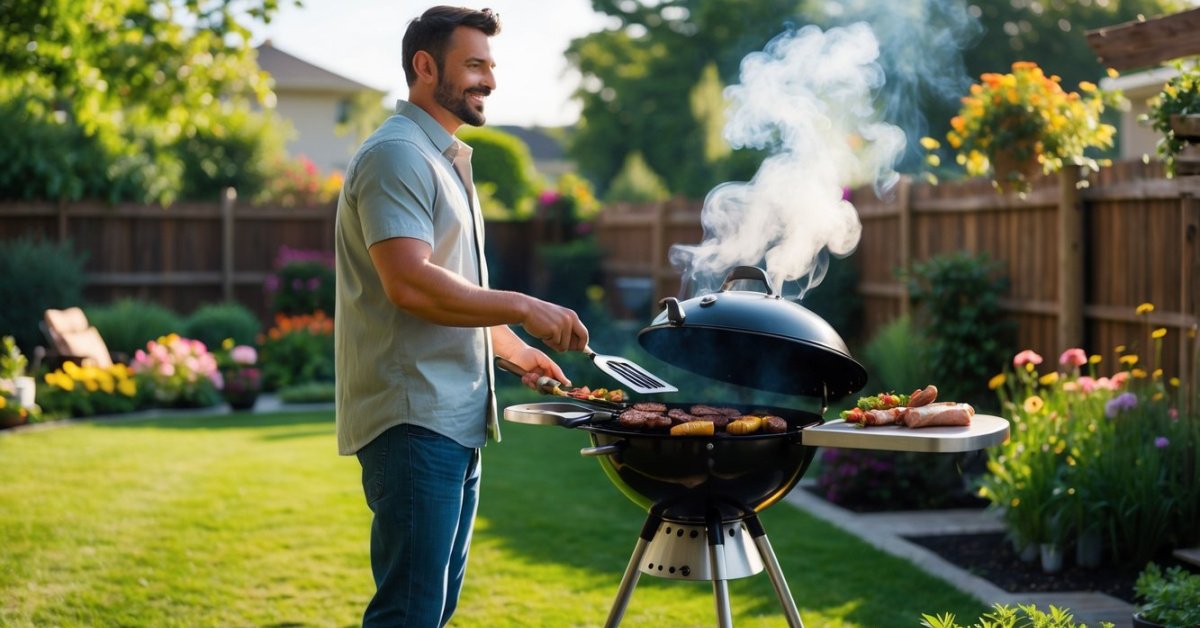
Nothing beats the thrill of firing up the grill and serving up perfectly cooked steaks or juicy burgers. But I know how tricky it can be to get the temperature just right every time. Guesswork often leads to overdone or undercooked food and that can take the fun out of outdoor grilling.
That’s where infrared thermometers come in. I’ve found that these handy gadgets make it so much easier to nail the perfect sear and cook meat to the ideal doneness. With just a quick point and click I can measure surface temperatures instantly and keep my grilling game strong.
The Importance of Precision in Outdoor Grilling
Consistent temperature precision transforms outdoor grilling results. When I ran my Texas BBQ cart, I learned that a few degrees could turn brisket from juicy to dry or make chicken unsafe. Precision keeps every steak at the exact doneness guests expect, whether that’s rare or well-done.
Missed temperatures waste quality cuts. I’ve seen premium ribeyes lose their tenderness just from a twenty-degree difference, and sausages burst open when the heat spikes. Accurate temperature readings let me control flare-ups and avoid undercooked spots.
Food safety depends on hitting target temps. Undercooked chicken or pork can carry risks like salmonella or trichinosis. Precision lets me serve pulled pork at 203°F or smoked turkey at 165°F every time.
Texture, flavor, and juiciness all tie back to hitting the right temps. With reliable thermometers, especially infrared models, I nail a crispy bark on ribs while keeping the meat tender. My experience shows that those little differences define great BBQ.
Understanding Infrared Thermometers
Infrared thermometers give instant, contact-free readings, making them one of my favorite tools for outdoor grilling. Knowing exactly how they operate helps me hit those perfect temps that create better barbecue every time.
How Infrared Thermometers Work
Infrared thermometers measure surface temperature by detecting infrared energy emitted from objects like grill grates or meat. I just aim the device at the spot I want to check, press the trigger and get an accurate reading in about a second. Unlike probe thermometers, these units only capture the surface heat, not the internal temp. That lets me scan a hot grill for cool spots fast or check if cast iron and planchas are preheated. During busy shifts at my Texas BBQ cart, I depended on this speed to keep service steady and steaks consistent.
Key Features Relevant to Grilling
Several features make infrared thermometers ideal for grilling.
- Laser targeting: Most models, like Etekcity and ThermoWorks IR guns, include a laser pointer that shows exactly where I’m measuring, which helps avoid guessing on crowded grates.
- Wide temperature range: Grilling searing steaks or slow-cooking pork shoulders both require different temps. Many units handle -58°F up to 1022°F, perfect for everything from indirect cooking to pizza stones.
- Distance-to-spot ratio: A higher D:S ratio, such as 12:1, means I can stand farther from a hot pit but still pinpoint small grill areas accurately.
- Instant response: Readings typically appear in under a second, so I don’t lose heat by holding the lid open.
- Backlit display: Bright displays help when I’m grilling at night or in variable light, critical for making sure I’m not missing a reading.
These capabilities let me trust my setup and focus on the creative side of barbecue instead of second-guessing temperatures.
How Infrared Thermometers Enhance Outdoor Grilling Precision
Infrared thermometers let me hit ideal temperatures outdoors every session. Precision matters for anyone aiming to master grilling, especially when each degree shapes food quality.
Accurate Temperature Readings on Various Surfaces
Infrared thermometers give me fast, reliable readings on everything from grill grates to cast iron pans. Unlike standard probe thermometers, infrared models measure surface temperature instantly, using a laser to pinpoint trouble spots. I scan my grates before tossing ribs or steaks down, so I know exactly where the heat’s sitting. This accuracy helps avoid cold zones (that risk undercooking chicken) and hot pockets (that scorch brisket fat). When checking stone slabs or smoker plates, surface readings keep indirect heat consistent across a busy cook.
Speed and Efficiency During Cooking
Speed helps me stay focused on flavor, not on fumbling with gadgets. An infrared thermometer shows the surface temp of a grill, pizza stone, or burger patty in less than a second. With no need to open the lid for long or move food around unnecessarily, I keep more heat inside and reduce flare-ups. On my busiest days at the Texas cart, quick reads let me move briskets on and off without missing a minute. This nonstop feedback means I can multitask—track sausages, check sear temps, monitor veggies, and still serve up everything juicy.
Consistency in Results for Different Types of Meats
Consistency wins repeat customers and happy guests. I use infrared thermometers to deliver brisket with the same bark and juiciness, pork shoulder that’s always moist, and chicken with no pink or dryness. These tools let me spot-check each item’s surface temperature, adjusting placement or grill zones as needed. On slow-smoked ribs or reverse-seared steaks, a few degrees shifts tenderness—infrared readings keep every batch on track, regardless of grill type or recipe tweaks. Whether I’m cooking ribeye, thighs, or sausage, consistent temps maintain top BBQ standards with every meal.
Comparing Infrared Thermometers to Traditional Grilling Tools
Infrared thermometers changed how I grill by providing quick surface reads without ever touching the food or grate. Comparing them to traditional grilling thermometers shows big differences in how they shape BBQ outcomes.
Benefits Over Conventional Thermometers
Infrared thermometers bring several advantages to grilling, especially when I want precision across the whole cooking surface.
- Speed: Infrared models give readings in less than one second. Probe thermometers, for instance, usually take 10-20 seconds to stabilize.
- Contact-Free Measurement: Infrared tools measure temperature from a distance, preventing cross-contamination unlike forks or probe-based options.
- Surface Temperature Monitoring: These thermometers scan the entire grill grate or cast iron, showing hotspots or cold zones instantly, while analog dials only read ambient air or a single probe spot.
- Less Heat Loss: I keep the grill closed more since I’m not fiddling with probes or opening the lid to get a temp, so the temp inside stabilizes faster and stays more consistent.
- Ease of Use: Most infrared models feature backlit displays and laser guides that make them easy to use at night or in smoky conditions, which aren’t standard in dial or single-probe thermometers.
| Feature | Infrared Thermometers | Conventional Thermometers |
|---|---|---|
| Reading Speed (seconds) | <1 | 10-20 (probe)/continuous (dial) |
| Contact Required | No | Yes |
| Surface Temp Check | Yes | No |
| Cross-Contamination Risk | None | Medium to High |
| Suited for Grate & Pan Checks | Yes | No |
Limitations and Considerations
Infrared thermometers provide instant accuracy, but there are constraints to their application in grilling.
- Internal Temperatures: They measure surface temp only, not the interior doneness of meats like brisket or chicken breast. I switch to a probe for this final check.
- Reflective Surfaces: Shiny grill grates or foil affect readings, with inaccurate spikes or drops. I often check cast iron or matte zones for reliable results.
- Emissivity Settings: Most basic models lack adjustable emissivity, so some foods (like glossy ribs or coated wings) might show altered readings. Professional models solve this but cost more.
- Environmental Factors: Outdoor sunlight, smoke, or steam sometimes interfere with the laser or sensor.
Infrared thermometers give me control over grill surface management, but I always complement them with a good instant-read probe to verify meat doneness before serving.
Tips for Using Infrared Thermometers While Grilling
I get more consistent BBQ results when I follow a few simple steps using my infrared thermometers. These tools deliver fast readings, but their precision improves with just a bit of attention. Here’s how I make each measurement count and keep my gear ready for grilling session after grilling session.
Best Practices for Accurate Measurements
I ensure spot-on readings by holding my infrared thermometer close to the grill surface, about 1 to 3 inches away, unless the manufacturer specifies otherwise. I avoid measuring over reflective metals like shiny aluminum foil since these can throw off the sensor—matte cast iron or grill grates give me accurate results. I always let the grill preheat fully before taking measurements, as temperatures vary wildly during the warming-up phase. Scanning multiple spots across the cooking surface helps me catch any hot or cold zones, especially when working with uneven heat sources like lump charcoal. I double-check the distance-to-spot ratio listed in the manual, so I know exactly how wide an area I’m measuring each time.
Maintenance and Care
I keep my infrared thermometers reliable by wiping the lens after each use, using a soft damp cloth to remove any grease or debris. I avoid using harsh chemicals or submerging the device in water, which can damage the electronics. I store my thermometers somewhere dry and cool—never right above the grill, where heat and smoke can shorten their lifespan. Every few grilling sessions, I check the batteries since low power can affect accuracy. If my readings seem off on familiar surfaces, I recalibrate the thermometer using an ice water test as recommended by most manufacturers.
Conclusion
Grilling outdoors has always been one of my favorite ways to cook and enjoy food with friends and family. Since adding an infrared thermometer to my toolkit I’ve noticed a real difference in the quality and consistency of my BBQ.
It’s amazing how much easier it is to nail the perfect sear or keep meats juicy and safe. With a little practice and the right tools I can focus on what I love most—creating delicious meals and sharing them with others.


