
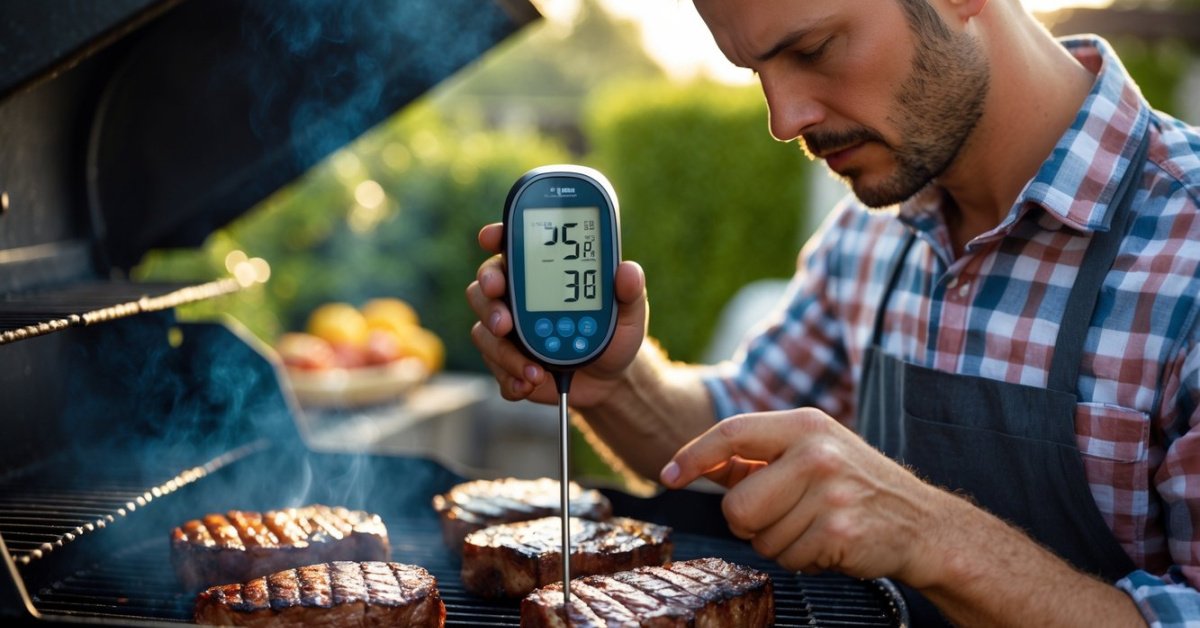
As someone who loves grilling all year round I’m always on the lookout for tools that make the process easier and more reliable. There’s nothing like the satisfaction of nailing the perfect steak or juicy chicken every single time. That’s why I started wondering if rechargeable thermometers could be a game changer for those of us who find ourselves at the grill more often than not.
With so many gadgets promising to upgrade the backyard barbecue experience it’s easy to get overwhelmed by choices. I’ve noticed more rechargeable thermometers popping up lately and I can’t help but ask—are they really worth it for frequent grillers like me? Let’s dive in and see if this upgrade deserves a spot in my grilling toolkit.
Understanding Rechargeable Thermometers
Rechargeable thermometers use built-in batteries and charge via USB or dock, unlike standard grilling thermometers with disposable batteries. I rely on models like the ThermoWorks Signals and the MEATER Plus, both of which I’ve tested over dozens of backyard brisket and rib cooks. These devices track temps continuously and eliminate the hassle of swapping out AA or AAA batteries in the middle of a cook.
Advanced rechargeable thermometers include Bluetooth or WiFi connectivity, letting me monitor grill temps from my phone. I get alerts when my chicken reaches 165°F or when the smoker temperature dips below my target range. Multi-probe units monitor several cuts of meat at once—useful when I’m running a couple of briskets and sausages together for a family gathering.
Lithium-ion rechargeable batteries, common in premium models, often last from 24 to 72 hours between charges depending on use—based on my experience with multi-day BBQ events and long overnight cooks. Charging takes about 1 to 2 hours, after which I’m back to grilling with minimal downtime. I’ve found fewer issues with dead batteries compared to my old stick thermometers.
Rechargeable thermometers cut down battery waste and maintenance for frequent grillers. My workflow’s smoother since I don’t worry about carrying backup batteries or losing power halfway through a big cook. That reliability becomes a key advantage if you grill as much as I do or compete in BBQ contests.
Key Features of Rechargeable Thermometers for Grilling
Rechargeable thermometers for grilling bring several advancements that cater to people who grill often. These features aim to improve both convenience and performance during BBQ sessions.
Battery Life and Charging Options
Reliable battery life and flexible charging options shape the value of a rechargeable grilling thermometer. Most models I test—like the MEATER Plus and ThermoWorks Signals—use lithium-ion batteries that run 24-72 hours between charges. These thermometers usually charge via USB-C or a dedicated charging dock, with USB-C making it simple to top off between cooks anywhere you have a phone charger. Some brands include quick-charge modes, powering up for a short session in under 15 minutes. I find well-managed battery life essential during all-day smokes or competitions with several pieces of meat going at once.
Accuracy and Response Time
Accurate readings and quick response times define my grilling outcomes when using rechargeable thermometers. Probes under brands like ThermoWorks or MEATER report variances as low as ±0.7°F and can give updated temperatures every 1 to 3 seconds. This speed lets me react instantly when a brisket or ribeye hits its target temp. Fast-read sensors and precise calibration prevent overcooking or drying out expensive cuts. I consistently rely on this accuracy for repeatable, competition-quality BBQ.
Connectivity and Smart Functions
Smart connectivity elevates how I monitor and manage temps during grilling sessions. Most rechargeable models pair with apps through Bluetooth or WiFi—examples include alerts sent straight to my phone or tablet. Multi-probe support allows me to watch 2-4 meats or grill zones at once. Features like cloud logging, preset doneness guides, and temperature graphs help me fine-tune technique. For frequent grillers who keep an eye on several things at once, these smart functions turn the thermometer into a real-time assistant, not just a number reader.
Pros and Cons of Rechargeable Thermometers
Rechargeable thermometers have changed how I approach both long brisket smokes and quick weeknight grilling. These devices offer distinct strengths and a few limitations based on my regular use.
Advantages for Frequent Grillers
- Battery Efficiency
I keep grilling without swapping batteries because lithium-ion cells run 24 to 72 hours per charge. ThermoWorks Signals and MEATER Plus last through multi-day cooks and competitions.
- Quick Recharge Cycles
I get back to grilling fast since USB-C quick-charge gives most models several hours of runtime with just 10 to 20 minutes of charging.
- Less Waste, Lower Costs
I don’t buy AA or AAA packs every grilling season, which cuts down on costs and helps reduce landfill waste from disposables, per EPA battery waste data.
- Reliable Smart Features
I manage multiple meats at once with wireless alerts. Remote apps track up to 4 probes, update data every 1 to 3 seconds, and let me respond instantly to temp changes.
- Consistent Performance
I rely on stable readings over long sessions—the accuracy and responsiveness match or outpace traditional models in both home and competition use.
Potential Drawbacks to Consider
- Charging Required
I sometimes forget to charge before a cook; dead batteries mean no grilling until I power up, unless I use my backup instant-read.
- Higher Initial Investment
I spend more upfront for rechargeable models. Entry options start near $60, with advanced units like MEATER Block or ThermoWorks Signals ranging $200 to $300 as seen on official brand sites.
- Technology Learning Curve
I troubleshoot WiFi setup and firmware updates when using advanced features, which can take time to master, especially for newer grillers.
- Limited Physical Backup
I can’t quickly swap in spare batteries mid-session, so I carry a power bank or instant-read probe for emergencies.
These pros and cons show how rechargeable thermometers meet frequent grillers’ needs while posing a few extra steps in prep and maintenance.
Comparing Rechargeable vs. Disposable Thermometers
When comparing rechargeable and disposable thermometers for grilling, my experience shows a big difference in value and practicality. Frequent grillers like me often want reliability and convenience that fit long cooking sessions and heavy usage.
Cost Over Time
Rechargeable thermometers lower total costs for frequent grillers like myself. While models such as ThermoWorks Signals or MEATER Plus cost more up front—often $70 to $200 per unit—there’s no need to keep buying packs of batteries. Over three years of weekend BBQ use, I’ve found that a rechargeable thermometer typically eliminates the need for at least 12 to 24 packs of batteries (AAA or AA), which can add up to $50 to $100 in battery expenses alone. Disposable models might cost less initially—usually $20 to $60 each—but battery replacements and occasional probe failures increase long-term costs. If grilling several times per week, that difference becomes even more pronounced.
| Thermometer Type | Initial Cost (Typical) | Replacement Battery Cost (3 Years) | Average Lifespan | Total 3-Year Cost |
|---|---|---|---|---|
| Rechargeable (Signals) | $200 | $0 | 3+ years | $200 |
| Disposable AA (ThermoPop) | $35 | $75 (20x AA) | 2-3 years | $110 |
Environmental Impact
Rechargeable thermometers significantly reduce battery waste for grillers who BBQ as much as I do. Charging a lithium-ion battery hundreds of times eliminates the disposal of spent alkaline batteries—something that adds up fast for anyone grilling every weekend or running a pop-up pit like I did in Texas. Rechargeable models minimize landfill contributions and lower the frequency of hazardous chemical leakage associated with disposable batteries. Using USB charging cables or docks instead of single-use batteries trims waste from broken blister packs and old batteries. For those invested in sustainability and eco-friendly BBQ, rechargeable options provide a clear benefit without sacrificing performance.
Tips for Choosing the Right Rechargeable Thermometer
- Check temperature accuracy specs
I always check spec sheets for probe accuracy, focusing on models rated ±1°F (like ThermoWorks Signals or FireBoard 2 Pro). Accurate readings help me serve brisket, ribs, or steaks at the perfect doneness every time.
- Examine battery performance and charging options
My grilling sessions last hours, so I look for battery life rated over 24 hours per charge and support for fast charging via USB-C or micro-USB. Some units, such as MEATER Block or Signals, recharge in under 2 hours, letting me avoid downtime between cooks.
- Choose the right number of probes
I often grill multiple meats—pork butts, chicken thighs, sausages. Models offering at least 2-4 probe ports, such as the ThermoWorks Signals or Inkbird IBT-4XC, let me monitor several cuts at once without swapping wires mid-cook.
- Evaluate smart connectivity and app features
When I’m busy prepping sides or tending fire, I rely on Bluetooth or WiFi models (MEATER Plus, FireBoard 2) that work with apps for real-time temp alerts, probe calibration, and grill temperature monitoring. Support for both iOS and Android gives everyone in my cookout team access.
- Assess build quality and probe durability
Heavy-duty stainless-steel probes, rated to withstand high temps and repeated washings, last much longer in my busy BBQ routine than thin, entry-level options. I look for water-resistant bodies and solid mounting magnets, especially in portable outdoor setups.
- Confirm warranty and customer support
Brand support matters to me after years of heavy BBQ use. Reputable brands like ThermoWorks, MEATER, and FireBoard back their devices with at least 1-year warranties and responsive customer help if I ever need replacement parts or advice.
- Compare size and portability
I value compact charging docks and cases that fit in my gear bag for competitions or tailgates. MEATER’s magnetic dock mounts on grills, while ThermoWorks’ portable cases keep everything organized.
- Double-check price-to-value ratio
Since top models range from $70 to $200, I weigh the feature set and expected lifespan against the upfront cost. My experience shows that investing in a premium rechargeable thermometer pays off for regular grillers who demand reliable, smart performance every weekend.
Conclusion
After using rechargeable thermometers for countless BBQ sessions I can say they’ve made my grilling routine smoother and a lot more enjoyable. The convenience of smart features and not having to worry about dead batteries has been a real game changer for me.
If you love grilling as much as I do and want tools that keep up with your passion investing in a quality rechargeable thermometer might just be the upgrade your BBQ arsenal needs.


