
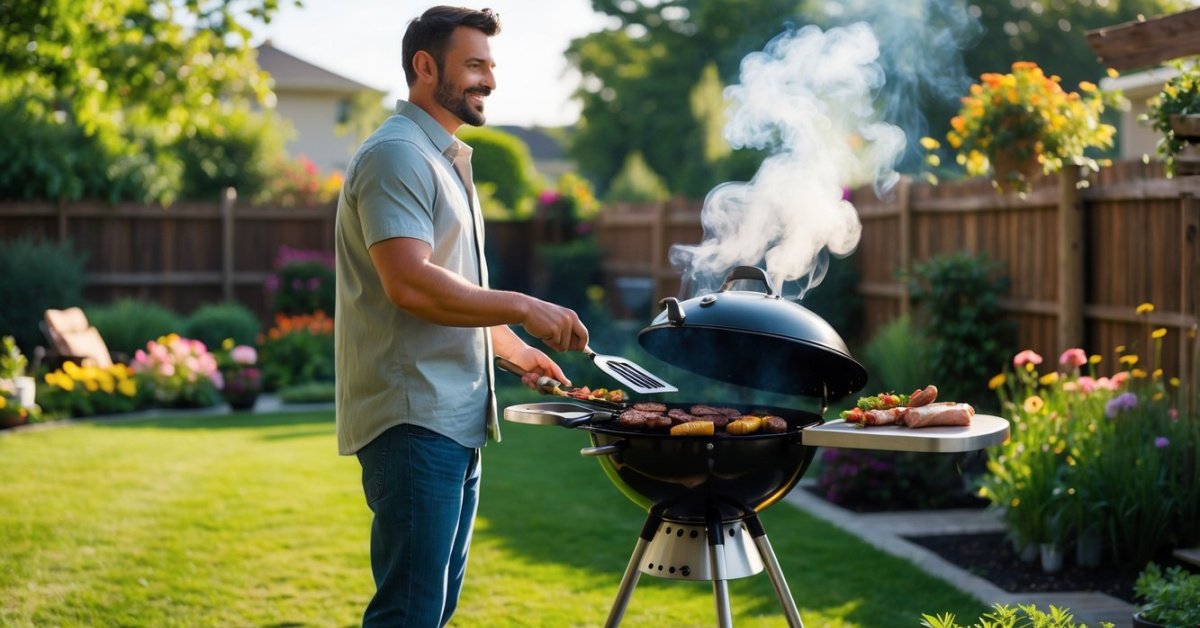
Grilling with friends or family always feels like a treat but getting that perfect doneness can be a real challenge. I know how easy it is to second-guess myself when I’m standing over the grill trying to decide if the burgers are ready or if the chicken needs a few more minutes. That’s where fork thermometers catch my eye—they promise quick, easy temperature checks right in the middle of the action.
I’ve seen these gadgets pop up at backyard cookouts and in kitchen stores and I can’t help but wonder if they’re actually helpful for someone who just wants to enjoy grilling without fuss. Are fork thermometers the simple solution casual grillers need or are they just another gadget that ends up in the drawer? Let’s dig in and find out if they really make grilling easier and tastier.
What Is a Fork Thermometer?
A fork thermometer combines two grilling tools—a digital thermometer and a long-tined fork—into one handheld device. I use it to pierce and lift meats like steak, chicken, and pork while checking internal temperatures. Most models include a digital LCD screen on the handle that displays real-time readings. I see preset temperature options for various meats, including beef, poultry, pork, and lamb, on several devices, making doneness checks simple.
I notice basic fork thermometers provide temperature readings in seconds through metal probes on the fork’s tips. Some have features like an audible alert, backlit display, or waterproof construction for outdoor use. I often compare these tools to instant-read thermometers for accuracy, ease of use, and speed, especially when grilling over open flames.
I find fork thermometers especially useful for casual grillers who want a two-in-one solution for flipping food and monitoring temperature. In most cases, I see them running on standard batteries, with easy-to-clean stainless-steel construction that stands up to regular grilling sessions.
How Fork Thermometers Work
Fork thermometers let me check internal meat temperatures fast while flipping steaks or chicken right on the grill. These gadgets bring a digital thermometer directly into an everyday barbecue tool, helping casual grillers track doneness more confidently.
Key Features and Design
Most fork thermometers use stainless steel tines with built-in sensors that deliver quick temperature readings. I see models with easy-to-read LCD screens, showing temps in both Fahrenheit and Celsius. Some include preset doneness modes for beef, pork, or chicken, making it easy to match USDA-recommended safety levels. Extra touches—like one-handed operation, waterproof housing, or backlit displays—add convenience during evening cooks.
Feature
|
Detail
|
Sensor Type
|
Metal probes in each tine
Display
|
Digital LCD (often backlit)
Preset Modes
|
Various meat types & doneness levels
Alerts
|
Audible or visual for target temp
Materials
|
Stainless steel tines, plastic body
Power
|
AA or AAA batteries
Pros and Cons for Grillers
Fork thermometers give me key advantages when grilling casually:
- Convenience: I can check temp and turn meat using a single tool, saving time
- Speed: Readings show up in 2-4 seconds, faster than most dial thermometers
- Safety: My hand stays farther from the heat due to the fork’s length
- Simplicity: Preset temps for different meats mean fewer guesswork moments
Some limitations stand out:
- Accuracy: Dual-purpose design sometimes leads to less precise readings than standalone digital probes
- Durability: Frequent cleaning, if not done carefully, may wear out the electronics
- Functionality: Bulkier than standard tongs or forks, some models feel heavy for small hands
- Battery Life: I have to remember to check and replace batteries, unlike with manual thermometers
Fork thermometers combine essential grilling tools with digital temperature checks, making them especially practical for casual backyard cooks trying to balance fun and food safety.
Comparing Fork Thermometers to Other Grill Tools
Fork thermometers offer a straight-up combo of convenience for quick-grill sessions, but other grill tools also bring distinct advantages for checking doneness. I compare them all the time in my backyard and test how each holds up during busy cooks.
Traditional Meat Thermometers
Traditional meat thermometers give direct readings by inserting a probe into the meat, not through a utensil. Classic dial thermometers show results on an analog face, while digital variants show instant temps on a screen. Most require leaving the probe in for at least 10 seconds, which works for thicker cuts like brisket or pork shoulder.
I see the key tradeoff as speed versus accuracy. Traditional dial and digital thermometers, for example, the ThermoPop or Thermapen, measure temps accurately to within 1-2°F and handle high heat well. They’re sturdy, easy to calibrate, and don’t introduce as much risk of bending tines or accidental wire damage. Single-purpose operation means they excel at one task, but you’ll need a separate tool for flipping or moving food.
Smart and Wireless Thermometers
Smart and wireless thermometers bring high-tech features and remote monitoring that fork thermometers can’t match. These devices, such as the Meater Plus, probe the meat and send real-time data to my phone through Bluetooth or Wi-Fi. I track temps without hovering over the grill, which is handy for slow-cooked recipes or crowded cookouts.
Smart thermometers give temperature graphs, projected finish times, and multi-probe support. Many log historical data—great for tweaking recipes. Downside: setup takes a bit longer, because I sync devices and check battery life. Most models, like the ThermoPro TP25 or Inkbird IBT-4XS, use separate probes and base units instead of built-in utensil designs.
Comparison Table
| Tool Type | Example | Speed | Accuracy | Extra Features | Mobility |
|---|---|---|---|---|---|
| Fork Thermometer | Char-Broil Digital | Quick | Moderate | Presets, flipping, alerts | High |
| Traditional Meat Thermometer | ThermoPop, Thermapen | Moderate | High | No-flip, instant read | Medium |
| Smart/Wireless Thermometer | Meater Plus, TP25 | Moderate | High | App syncing, graph, multi-probe | High |
Fork thermometers earn top marks for fast checks and double-duty action, traditional thermometers provide top accuracy, and smart thermometers deliver remote insight and multiple readings. I rotate between all three for different setups, projects, and grill styles.
Are Fork Thermometers a Good Choice for Casual Grillers?
Fork thermometers offer a straightforward approach for anyone who’s not looking to fuss with high-end gadgets or complex setups. From my years grilling in backyards and running a Texas bbq cart, I’ve seen plenty of folks reach for these devices when they want simple, practical tools.
Benefits for Occasional Grilling
Fork thermometers make sense for casual grillers aiming for ease and convenience. I find three clear advantages:
- Quick readings: Most fork thermometers deliver internal temperature results in under 7 seconds—fast enough to avoid losing grill heat. This speed helps me keep burgers, steaks, and chicken safe without crowding around the fire.
- One-handed control: I appreciate being able to flip a ribeye, check its doneness, and move it to a plate without swapping tools. This dual-use function saves time and keeps my grill area tidy.
- Preset options: Entry-level models usually include labeled presets for beef, pork, chicken, and fish. For folks unsure about FDA guidelines, these auto-settings add confidence.
Potential Limitations to Consider
Fork thermometers come with a few tradeoffs, especially for those grilling larger cuts or caring about absolute precision.
- Penetration depth: Standard fork tines measure about 3-5 inches. Deep roasts and thick briskets need a probe thermometer for center readings—I found fork thermometers less reliable for my smoked roasts.
- Accuracy variance: Because the tines are wider than a narrow probe, minor heat carryover or hitting bone can give off readings by ±2–4°F. For casual grilling, that’s usually fine, but if I’m dialing in for perfect medium-rare, I test twice.
- Durability concerns: Entry-level models tend to use plastic housings and basic waterproofing. After a summer of frequent use, I’ve seen a few units lose sensitivity or LCD screens fade.
Fork thermometers fit best for weeknight burgers, chicken breasts, and anything that cooks in under 30 minutes. They help keep grilling simple and stress-free for anyone still learning their way around the bbq.
Tips for Using Fork Thermometers Effectively
- Insert Tines Properly
I get the most accurate readings from fork thermometers when I push the tines into the thickest part of the meat, like the center of a chicken breast or the middle of a steak. Rapid readings come from piercing just deep enough to reach the center without hitting bone or grill grates.
- Use the Preset Settings
I cycle through the digital preset modes for beef, pork, chicken, or fish before grilling different meats so the temperature alerts match USDA-recommended guidelines. Most fork thermometers display doneness stages like rare, medium, or well done for burgers and steaks.
- Wait for Steady Readings
I let the LCD display stabilize before pulling the fork out—usually, 3–5 seconds is enough to get a solid number. Fluctuating temperatures indicate movement or inadequate probe contact.
- Avoid Multiple Piercings
I minimize juice loss and prevent tough textures by checking meat temperature in one spot only. Extra punctures in items like chicken breasts or burger patties lead to dryness.
- Clean the Fork Thoroughly
I wash the tines and handle with hot, soapy water after every use, focusing on crevices around the digital housing. Rust-resistant models still collect residue and juices from grilling.
- Monitor Battery Level
I check the battery indicator regularly, especially before busy grilling weekends, since low power results in display errors and inconsistent readings. Backup batteries sit in my grilling kit at all times.
- Store Properly
I keep my fork thermometer in a dry drawer or dedicated grilling toolbox. Storing away from direct sun and humidity protects the digital components and extends device lifespan.
Conclusion
When it comes to casual grilling I find that fork thermometers offer a nice blend of convenience and simplicity. They don’t require much fuss and can really take the guesswork out of grilling quick-cooking favorites.
While they may not be the perfect fit for every cut or every griller they’re a handy tool to have on hand for laid-back cookouts. If you value ease and speed over high-tech bells and whistles a fork thermometer might just earn a spot in your grilling lineup.


