
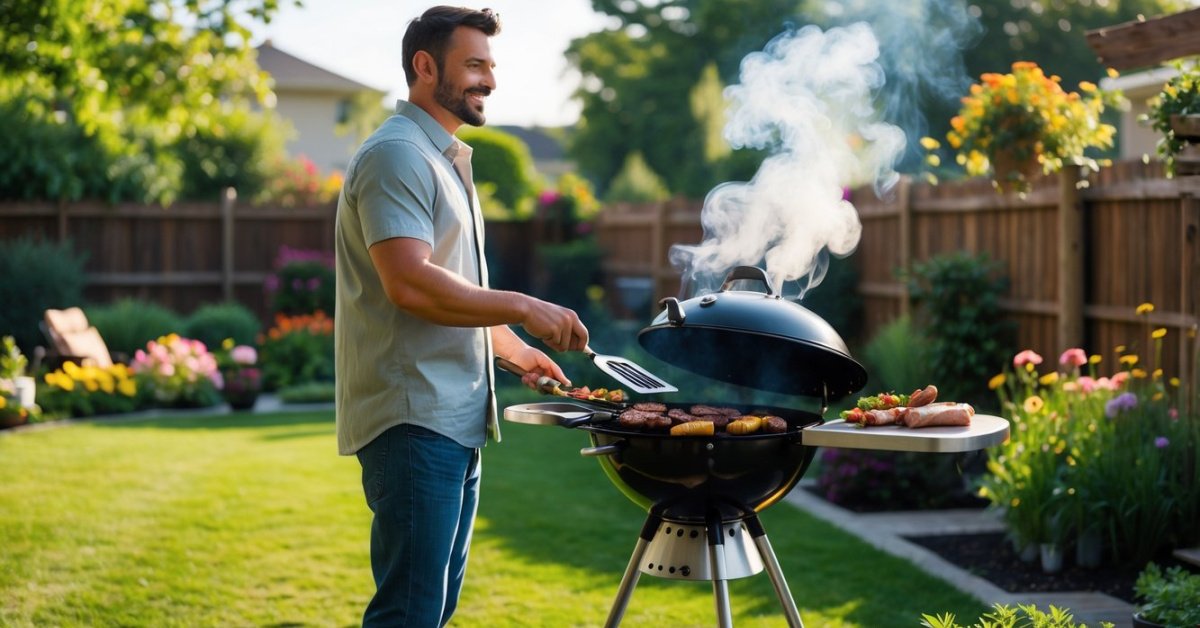
There’s something special about grilling kebabs on a warm evening. The sizzle of meat and veggies over an open flame always gets my mouth watering. But I’ve learned that getting those kebabs perfectly cooked isn’t just about the marinade or the skewers—it’s all about managing the right temperature.
I’ve had my fair share of kebabs that were charred on the outside but raw in the middle. If you’ve ever struggled with unevenly cooked kebabs you’re not alone. Mastering the grill means understanding how heat works and knowing a few simple temperature tips that make all the difference.
The Basics of Grilling Kebabs
Grilling kebabs relies on even heat and proper temperature tracking. I always skewer uniform pieces for even cooking, making sure to space items slightly, so heat circulates smoothly. Metal skewers transfer heat more efficiently than wood or bamboo, which helps the inside of each piece cook as evenly as the exterior.
I use two temperature zones on my grill—a hot direct side and a cooler indirect side. I sear kebabs over direct heat, then slide them over to finish on the cooler side if thicker chunks need more time. This approach works especially well for mixed kebabs with both meat and veggies.
I check doneness with a reliable grilling thermometer. I insert the probe into the center of the largest piece, aiming for accurate reads—for example, chicken reaches safe doneness at 165°F and beef prefers 135°F for medium-rare. Thermometers I like feature fast readings and easy-to-read displays, which matters most when standing over a hot grill with a dozen skewers going at once.
Even kebabs depend on tried-and-true steps: consistently sized pieces, two-zone grilling, and precise internal temperature checks. I push these basics every time because the end result—juicy, evenly cooked kebabs—is hard to beat.
Preparing Kebabs for the Grill
Grilling kebabs starts with thoughtful prep. I’ve found that the right choices here boost flavor, texture, and give more reliable temperature readings later.
Choosing the Right Ingredients
Picking fresh ingredients supports even cooking and keeps kebabs juicy. I use similar-sized chunks for meats like chicken breast, beef sirloin, or lamb leg. I go for crisp, water-rich vegetables—bell peppers, red onions, or zucchini—cut the same size as the meat so nothing burns or undercooks before the center’s ready. I keep marinades simple, avoiding sugary sauces that scorch at grill temps. Consistent sizing means the thermometer picks up a true internal temperature, not a misleading hot spot or raw core.
Proper Skewer Arrangement
Arranging kebabs with care delivers better results and more accurate temp checks. I alternate meat and veggies for mixed kebabs, leaving a sliver of space between each piece. That gap lets heat circulate evenly, which I’ve confirmed gives steady temperature rise across the skewer. I always use flat metal skewers when precision matters; they don’t spin on the grill, so each side sears evenly. For wooden skewers, a 30-minute soak prevents burning, and it’s easier to thread uniform pieces straight for more even cooking. I insert the thermometer probe horizontally from the side, targeting the skewer’s thickest meat chunk, ensuring the reading’s spot-on.
Ideal Grilling Temperatures for Kebabs
I rely on clear target temperatures for kebabs to ensure every bite cooks evenly and safely. Precise heat control makes grilling easier, whether I’m grilling juicy chicken, tender beef, or a mix of meat and veggies.
Recommended Heat Levels
I grill kebabs best over medium-high heat, typically between 400–450°F (204–232°C). This range quickly sears the outside for flavor while giving the inside time to reach the right doneness. For chicken kebabs, I check that the internal temp hits 165°F (74°C). For beef and lamb kebabs, I look for 135–145°F (57–63°C) for medium-rare to medium. I always insert my thermometer into several pieces—not just one—to check for even cooking.
| Kebab Type | Grill Temp (°F) | Internal Temp (°F) | Internal Temp (°C) |
|---|---|---|---|
| Chicken | 400–450 | 165 | 74 |
| Beef | 400–450 | 135–145 | 57–63 |
| Lamb | 400–450 | 135–145 | 57–63 |
Direct vs. Indirect Heat
I split my grill into direct and indirect heat zones for better control, especially when grilling mixed kebabs. Direct heat cooks kebabs fast and creates a crisp exterior. Indirect heat lets the inside finish cooking evenly after searing, helping prevent burnt edges and raw centers. I start kebabs on direct heat for 2–3 minutes per side to get grill marks, then move them over to indirect heat to finish until the thermometer confirms the right internal temperature. If I’m grilling extra-thick or mixed kebabs, I use indirect heat a bit longer to keep veggies and meat at peak texture and flavor.
Techniques for Even Cooking
Every skewer deserves even heat for juicy, perfectly cooked kebabs. I pay close attention to both handling and monitoring to guarantee every bite’s spot on.
Rotating and Flipping Kebabs
Rotating and flipping kebabs at the right moments helps deliver even cooking. I rotate each skewer a quarter turn every 2–3 minutes, making sure all sides see both the direct and indirect heat zones. Consistent flipping prevents hot spots from drying out the edges while the center finishes. For example, I’ll use tongs on flat metal skewers so they stay stable and turn smoothly. When I grill mixed kebabs—like chicken, beef, and bell peppers—I flip frequently, as veggies char faster than meat. I always avoid crowding, so hot air moves freely around each kebab.
Monitoring Internal Temperature
Monitoring internal temperature ensures kebabs finish both safe and flavorful. I use a digital instant-read thermometer because quick checks don’t let juices escape. For chicken skewers, I slide the probe into the thickest part, watching for 165°F (74°C). For beef and lamb, I aim for 135–145°F (57–63°C) to keep them juicy and pink inside. By testing at least one piece of each meat type per skewer batch, especially when grilling for a crowd, I prevent overcooking or undercooking. Reliable thermometers like the ThermoWorks Thermapen or the Lavatools Javelin give me fast, accurate readings, so nothing gets left to chance.
Common Mistakes to Avoid
- Using unevenly cut pieces
Uneven chunks of meat or veggies cook at different rates, with smaller pieces drying out before larger ones finish. I always stick with uniform cuts to ensure every skewer grills evenly and each bite stays juicy.
- Skipping preheating
Cold grills cause sticking and unpredictable results. I preheat my grill to a steady 400–450°F before loading kebabs, which guarantees a great sear and prevents sticking.
- Overcrowding skewers
Crowded skewers restrict airflow, resulting in steamed—not grilled—kebabs. I leave gaps between pieces and keep skewers spaced on the grill, creating better heat circulation for consistent charring.
- Ignoring thermometer placement
Placing a thermometer in the wrong spot, like close to the skewer or edge, can yield false readings. I find the center of the largest meat chunk and insert the probe lengthwise. This checks the true doneness and avoids risk.
- Not rotating often enough
Letting kebabs sit too long on one side leads to burning or uneven cooking. I rotate each skewer a quarter turn every 2–3 minutes for even caramelization.
- Marinating with high-sugar sauces
Sweet marinades burn fast over direct heat, creating a bitter crust. I use citrus or herb-based marinades during grilling and only finish with sugary glazes in the last minute.
- Forgetting indirect heat
Only using direct heat causes burned outsides and undercooked insides, especially with mixed skewers. I always move kebabs to indirect heat after searing for flawless results and precise temperature control.
- Relying on guesswork
Judging doneness by color or time often leads to under- or overcooked kebabs. I trust my digital thermometer instead, checking at least one chunk per skewer batch for confident results every cookout.
Conclusion
Grilling kebabs has become one of my favorite ways to bring friends and family together for a tasty meal. With a few mindful steps and a little patience it’s easy to turn out kebabs that are juicy flavorful and cooked just right every time.
I hope these tips help you feel more confident the next time you fire up the grill. Happy grilling and enjoy every bite!


