
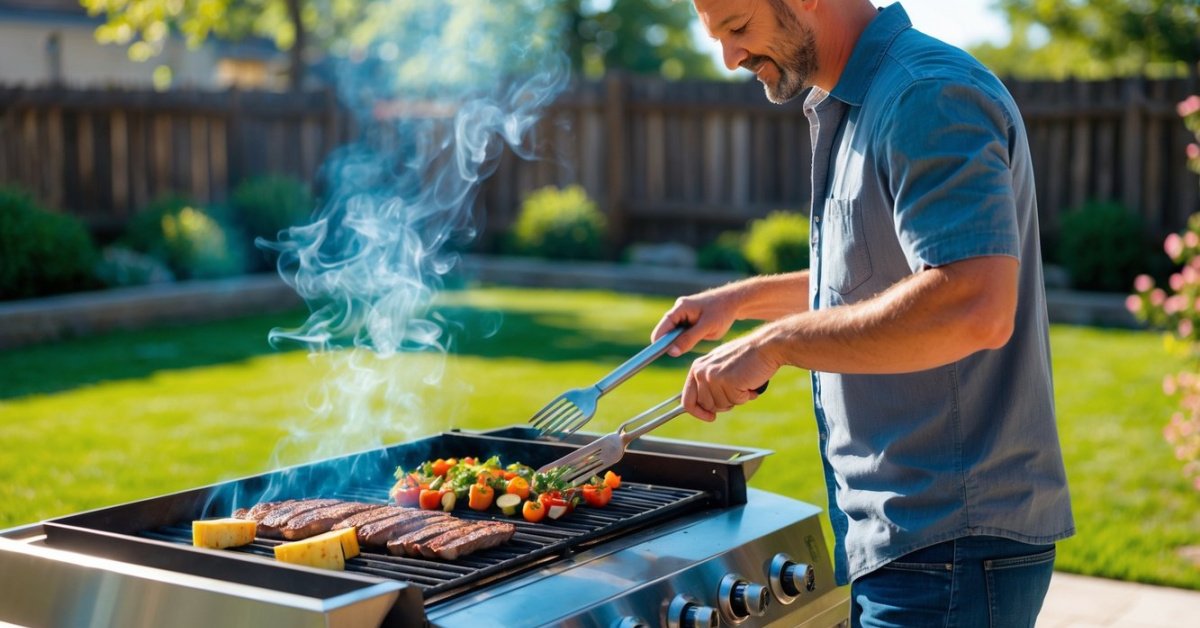
Grilling game meats is one of my favorite ways to bring bold flavors to the table. Whether I’m cooking venison steaks or wild duck, I know hitting the perfect doneness is key to juicy, tender results. That’s where the right thermometer makes all the difference.
With so many options out there, picking the best thermometer can feel a bit overwhelming. I’ve learned that a good thermometer isn’t just a gadget—it’s my secret weapon for grilling success. Let’s dive into what really matters when choosing one for game meats so you can grill with confidence every time.
Why a Good Thermometer Matters for Grilling Game Meats
Accurate doneness is essential when grilling game meats like elk, venison, or wild turkey. Game cuts dry out faster than beef or pork since they’re leaner. I rely on a precise thermometer to catch that window between juicy and overcooked, especially with tenderloin or wild duck breasts.
Reliable readings make all the difference with wild meats that get tough within a few extra degrees. I’ve tested dozens of grill thermometers using backstrap and wild boar chops. A 5°F variance risks losing moisture and flavor in meats that aren’t cheap or easy to come by.
Food safety plays a bigger role with game. Undercooked meats like wild bird or hog can carry harmful bacteria and parasites. My food cart days taught me not to trust color alone—only probe temperature delivers certainty.
Consistency matters for repeatable results. I get the same rosy center in pronghorn steaks every time because I trust the numbers. Grilling thermometers take out the guesswork so anyone can enjoy game at its best, whether it’s a quick elk burger or a whole smoked goose.
Key Features to Look For in a Grill Thermometer
Choosing the right thermometer makes grilling game meats like duck, elk, and venison more predictable and rewarding. After comparing dozens of products across years of BBQ cooking, I focus on these critical features.
Temperature Range and Accuracy
Reliable thermometers track wide temperature ranges and deliver accurate readings, both crucial for lean game meats. I look for devices with a range between 32°F and 572°F and claimed accuracy within ±1.8°F (1°C), like the ThermoWorks Thermapen ONE. Consistent precision helps me avoid overcooking and keeps meat juicy.
Probe Design and Durability
Well-designed probes pierce game cuts easily and resist bending or warping. I favor thin 1.5-2.5 mm stainless steel probes that reach the center of loins or whole birds, as on models from MEATER and ThermoPro. Reinforced cables and solid probe tips withstand repeated use, even on hot grill grates.
Speed of Readings
Fast response times let me check several steaks or fillets with minimal grill-lid opening. I look for thermometers advertising sub-4-second readings; instant-read devices, like the Lavatools Javelin PRO or Thermapen, make a clear difference when grilling quail or fast-cooking dove.
Ease of Use and Display
Large, backlit displays let me check temps in direct sun or over a smoky pit. Single-button designs or clear touchscreen interfaces cut down frustration mid-cook. Magnetic backs and hanging loops make storage easy during busy barbecue sessions.
Waterproof and Heat Resistance
Accidental splashes or dropping a thermometer onto the grill happen more often than I like to admit. IP67-rated units keep working after quick dunks or exposure to sauce, and high-heat probes avoid melting when left on a hot grate. I trust this resilience when grilling thick leg roasts or wild boar ribs.
Types of Thermometers for Grilling Game Meats
Choosing the right thermometer for grilling game meats matters more than most folks think. Each type brings something unique to the grill, especially with lean cuts like venison or wild duck.
Instant-Read Thermometers
Instant-read thermometers work fast and deliver quick readings when I check steaks, backstrap, or wild duck breasts. Most models use a digital readout to show temperatures in 2 to 5 seconds. I use them for spot-checking temps right before pulling meat from the heat. Compact size means easy pocket access during busy cooks. Top models—like the ThermoWorks Thermapen ONE or Lavatools Javelin PRO—feature accuracy within ±0.7°F and temperature ranges from -58°F to 572°F. These suit high-heat grilling, where rapid checking keeps juices from escaping.
Leave-In Probe Thermometers
Leave-in probe thermometers stay in the meat through the whole cook, ideal for thicker cuts such as elk shoulder or wild boar roast. I stick the probe inside and monitor doneness without opening the lid and losing smoke. Cabled probes with digital base units—like the ThermoPro TP-17—offer accurate tracking throughout grilling, with most units staying accurate to within ±1.8°F and working between 32°F and 572°F. Multiple probe options let me monitor several cuts at once or compare grill temps.
Wireless and Smart Thermometers
Wireless and smart thermometers connect to phones or smart hubs, so I check temps on my device from anywhere in the yard. Models like the MEATER+ or Weber iGrill Mini work through Bluetooth or Wi-Fi, with probes rated for up to 527°F. I get alerts when wild turkey breasts or goose legs hit target temps, reducing guesswork and making multitasking easier. Most smart units feature cloud apps and cook history for easy note-keeping on every grilling session.
| Thermometer Type | Best Use | Example Models | Temp Range | Accuracy | Response Time |
|---|---|---|---|---|---|
| Instant-Read | Spot-check lean cuts, thin steaks | Thermapen ONE, Javelin PRO | -58°F–572°F | ±0.7°F | 2–5 seconds |
| Leave-In Probe | Thick roasts, large game joints | ThermoPro TP-17 | 32°F–572°F | ±1.8°F | Continuous |
| Wireless/Smart | Monitoring remotely, multitasking | MEATER+, iGrill Mini | Up to 527°F | ±1.8°F | 3–4 seconds |
Tips for Using a Thermometer with Game Meats
Getting the most out of a grill thermometer takes a little know-how, especially with game meats like venison or boar. I’ve tested dozens of thermometers on wild cuts, and I’ve found that technique matters as much as accuracy.
Placement and Timing
Placement and timing directly affect the accuracy of your readings. I always insert the probe into the thickest part of the meat, avoiding bone, fat pockets, or gristle—these can skew results by as much as 10°F. For steaks or smaller cuts, I angle the tip right to the center, checking in two or three spots to confirm doneness. For whole birds, like wild turkey, I use the thigh’s inner section, making sure the probe sits in muscle, not touching bone.
Timing determines when to check temperatures. I start monitoring smaller pieces after half the expected grilling time. For thick roasts or whole birds, I begin 10-15 minutes before the estimated finish so I can track the rise and pull it off at the perfect internal temp. I always account for carryover cooking by removing the meat when it’s 3-5°F below the desired serving temperature (USDA guidelines list 165°F for wild duck, 160°F for venison, 145°F for wild turkey).
Cleaning and Maintenance
Cleaning and maintenance keep readings accurate and extend thermometer life. I wipe down the probe with a food-safe sanitizing wipe before every use and after testing each new piece of meat. For deep cleans, I use warm, soapy water for just the probe—never submerge electronic units or let water get into seams. Once a month, I calibrate my instant-read thermometers using an ice water test (32°F target) and boiling water (212°F at sea level), adjusting with the calibration screw or using digital functions as needed. If you grill frequently, check for residue around joints or the probe tip, as build-up can cause false readings or corrosion. I store mine in a dry place and keep them away from direct grill heat or open flames to avoid melting or warping, especially with plastic-handled models.
Top Recommendations for Game Meat Thermometers
I’ve tested dozens of grilling thermometers on whitetail backstrap, wild boar chops, and mallard breasts to find the standouts for game meats. Here are my top picks based on reliability, speed, and accuracy when grilling anything from quail to venison.
- ThermoWorks Thermapen ONE
This instant-read thermometer delivers temps in 1 second and tracks within ±0.5°F. I use it for lean cuts like antelope steaks where overcooking is a risk. The bright display pivots and the probe stays sharp after hundreds of cooks. It resists splashes and brief immersion, which matters when I’m moving fast around a smoky grill.
- MEATER Plus Wireless Smart Thermometer
The MEATER Plus uses dual sensors in one probe, reading both the center and ambient grill temperature. I place it in venison roast or wild turkey breast and monitor the exact temp from my phone up to 165 ft away. No wires means nothing snags or melts, and I get alerts when my targets are hit.
- ThermoPro TP20 Dual Probe Wireless
Its two cabled probes let me keep tabs on both elk short ribs and grill temp at the same time from 300+ ft away. Preset temperature settings for game (like venison and wildfowl) save time, and the large backlit display shows both temps clearly during dusk hunts.
- Lavatools Javelin PRO Duo
The Javelin PRO Duo responds in 2-3 seconds and stays accurate within ±0.9°F. I use this for quick checks on wild duck or quail. The magnetic body attaches right to my smoker when I’m juggling multiple meats.
- Maverick PT-75
With a thin tip and ultra-fast 3-second readings, this instant-read works great for thin cuts like dove or rabbit skewers. I like the rotating display for reading temps at awkward angles over a crowded firebox.
- Inkbird IBT-4XS Bluetooth Grill Thermometer
Inkbird’s four-probe system tracks multiple types of game at once, like bison steaks and wild pork sausage. The Bluetooth feature lets me switch between meats from the app, and the device handles grill-side hits and splatters with no issues.
Here’s a quick reference for their key specs:
| Model | Temp Range (°F) | Accuracy | Response Time | Key Strength |
|---|---|---|---|---|
| Thermapen ONE | -58 to 572 | ±0.5 | 1 second | Speed, precision, rugged |
| MEATER Plus | 32 to 527 | ±1 | N/A (leave-in) | Wireless, dual-sensor, smart alerts |
| ThermoPro TP20 | 32 to 572 | ±1.8 | N/A (leave-in) | Dual-probe, wireless, presets |
| Javelin PRO Duo | -40 to 482 | ±0.9 | 2-3 seconds | Durability, speed, easy grip |
| Maverick PT-75 | -40 to 572 | ±2 | 3 seconds | Thin tip, fast, rotating display |
| Inkbird IBT-4XS | 32 to 572 | ±1.8 | N/A (leave-in) | Multiple probes, Bluetooth, app control |
These picks cover every grilling scenario I’ve faced with game meats, from quick searing to slow-roasting thick cuts. Each performs reliably through wild temperature swings, windy cookouts, and sticky outdoor conditions. If you use any of the models above, you’ll get precise doneness and help keep wild flavors juicy and safe every time you fire up the grill.
Conclusion
Picking the right thermometer has changed the way I grill game meats and I truly believe it can do the same for you. When you’ve got the right tool in hand you’ll never second-guess whether your venison steak or wild turkey breast is overcooked or underdone.
A reliable thermometer takes the guesswork out of grilling and lets you focus on enjoying the process and the flavors. With a little care and the right gear you can look forward to juicy tender game every time you fire up the grill.


