
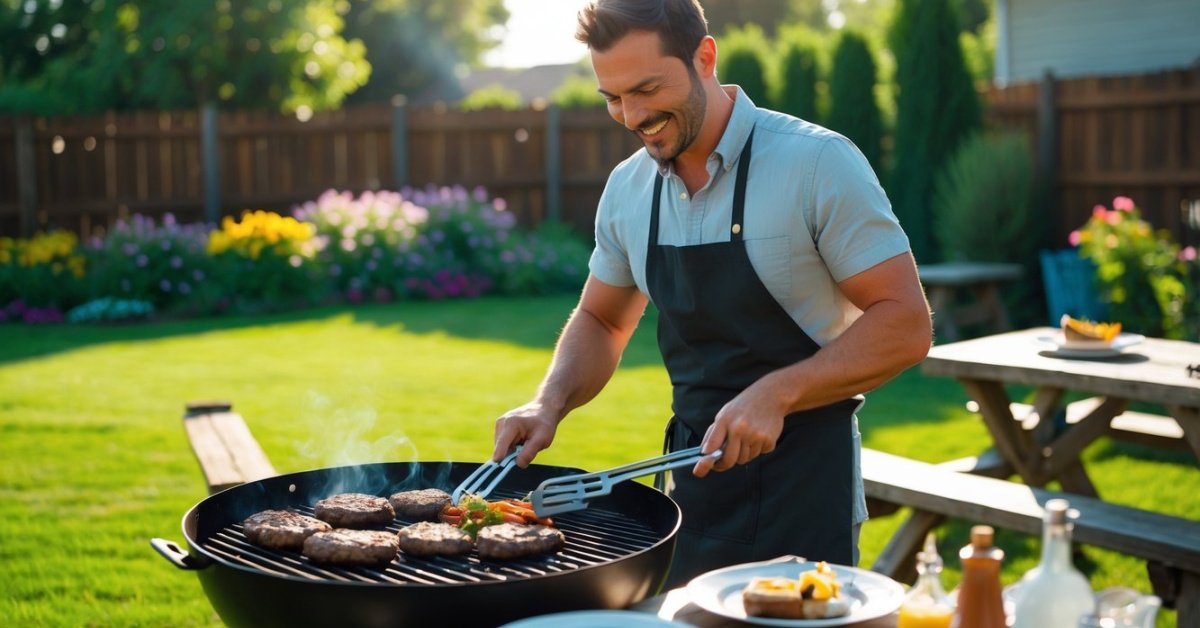
Grilling veggies and fruits always feels like a little adventure to me. There’s something special about those smoky flavors and caramelized edges that make every bite pop. But I’ve learned that getting the perfect texture isn’t just about the grill marks—it’s about hitting the right temperature.
That’s where a trusty thermometer comes in. I’ve tried a bunch and discovered that the right one can make all the difference between mushy zucchini and crisp-tender perfection or between bland pineapple and juicy sweetness. If you want to level up your grilling game and impress everyone at your next cookout, finding the best thermometer is the first step.
Why Accurate Temperature Matters When Grilling Vegetables and Fruits
Precise temperature makes all the difference when grilling vegetables and fruits. I’ve found that too much heat chars the outside before the inside cooks through, leaving peppers or peaches uneven and disappointing. Proper temperature control helps me keep zucchini firm, corn juicy, and pineapple perfectly caramelized.
Texture and flavor depend on consistent grilling temperatures. Mushrooms, for example, go rubbery if overheated, while tomatoes burst and lose their shape. Using an accurate thermometer, I get consistent doneness—crisp asparagus tips, tender eggplant slices, and sweet apple rings.
Food safety applies, even for produce. I test dense vegetables like potatoes and carrots for doneness, not just color—an internal temperature of 200°F usually signals they’re finished but still moist inside. Accurate readings also let me experiment confidently with new recipes or unusual produce, knowing I’ll hit the sweet spot between raw and overdone every time.
Key Features to Look for in a Grill Thermometer
After years behind a Texas food cart and countless backyard grilling experiments, I’ve found that choosing the right thermometer comes down to a handful of features. These make the difference between overdone veggies and perfect, juicy bites.
Temperature Range and Precision
Thermometers for grilling vegetables and fruits need a wide temperature range and high precision. I look for models reading as low as 32°F and as high as 572°F since bell peppers, mushrooms, and pineapples each have their own sweet spots. Accurate temperature increments—usually 1°F or 0.1°C—let me nail the exact doneness, especially with softer produce like peaches or tomatoes.
Probe Design and Length
Grilling thermometers need a probe that penetrates dense veggies but won’t damage delicate fruits. I check for stainless steel probes between 4 and 6 inches, allowing deep reads on larger items like sweet potatoes without splitting thin slices of zucchini. Ergonomic handles let me hold steady with one hand, even with grill gloves on.
Response Time and Readability
Reliable thermometers for outdoor grilling offer a fast response time and clear displays. I stick with models responding in 2-4 seconds so I don’t lose heat by holding the lid open. Backlit LCD or large digital screens display temperatures clearly, even when sun or smoke makes things hard to see.
Durability and Ease of Cleaning
My daily grilling sessions mean I need something built to last. I like thermometers with waterproof, sturdy casings and probes rated for repeated high-heat use. Removable probes or fully waterproof bodies make cleaning simple—I just wipe down the probe or run it under water after testing sticky items like glazed pineapple.
The Best Thermometers for Grilling Vegetables and Fruits
Precise thermometer readings help me bring out the best texture and flavor in any produce I grill. Several thermometers consistently perform well when grilling vegetables and fruits, from delicate peaches to dense sweet potatoes.
Top Digital Thermometers
Digital instant-read thermometers provide fast, accurate readings. I use models like the ThermoWorks Thermapen ONE and the Lavatools Javelin PRO for most produce. Thermapen ONE measures between 32°F and 572°F, so I can check everything from pineapple slices to thick eggplants. Probes are thin and durable, preventing squishing and tearing—key for soft zucchini or firm carrots. Waterproof designs withstand BBQ splashes, and bright backlit screens let me grill past sunset.
Best Wireless and Smart Thermometers
Wireless and smart models let me monitor temperatures without standing at the grill. MEATER Plus and ThermoPro TempSpike use Bluetooth connectivity and app integration, alerting me as asparagus spears or apple rings approach target temps. Dual-probe options, like the Inkbird IBT-4XS, let me track several items at once. Long battery life helps when grilling larger batches, and guided cooking modes ensure consistent doneness across different produce.
Recommended Budget-Friendly Options
Reliable thermometers don’t always cost much. I recommend the ThermoPop by ThermoWorks or the Kizen Instant Read for most home grillers. These models consistently hit within ±2°F accuracy and respond within five seconds, helping avoid overcooked mushrooms or underdone potatoes. Removable probes and splash-resistant housings make clean-up easy. Inexpensive digital options like these make grilling variety packs of vegetables at home more accessible.
Tips for Using Thermometers with Vegetables and Fruits
Insert the thermometer probe into the thickest section of the vegetable or fruit, away from the grill grates or any seeds, for the most accurate reading. I use this method for squash, carrots, and eggplant, because thinner spots and seeds can show lower temperatures than the flesh.
Choose thermometers with thin, sharp probes to avoid splitting softer fruits like peaches or strawberries. When grilling denser vegetables examples include potatoes and beets, a sturdy probe helps break through the tougher skin without bending.
Wipe the probe clean between readings, especially if switching from onions or garlic to milder produce like pineapple or apples, to avoid flavor transfer. I keep a damp towel handy to save time and improve accuracy.
Check temperatures quickly to prevent excess moisture loss. I remove the thermometer as soon as the number stabilizes, so delicate produce doesn’t dry out, especially mushrooms, zucchini, and stone fruits.
Target specific doneness temperatures for each produce type. I aim for 165°F for sweet potatoes or carrots, but pull tomatoes and peaches around 135°F to keep them juicy and just tender.
Allow grilled fruits and vegetables to rest for a minute or two after removing from heat. This lets residual heat finish the cooking process, even after the thermometer shows the right temperature, which preserves the texture and enhances flavor.
Conclusion
Grilling vegetables and fruits has become so much more enjoyable and rewarding now that I rely on a quality thermometer. With the right tool in hand I can focus on creativity and confidence instead of second-guessing doneness or worrying about overcooking. Every cookout feels like an opportunity to explore new flavors and impress friends with perfectly grilled produce.
If you love grilling as much as I do investing in a dependable thermometer is a small step that truly transforms the experience. Here’s to more delicious and memorable meals from the grill!


