
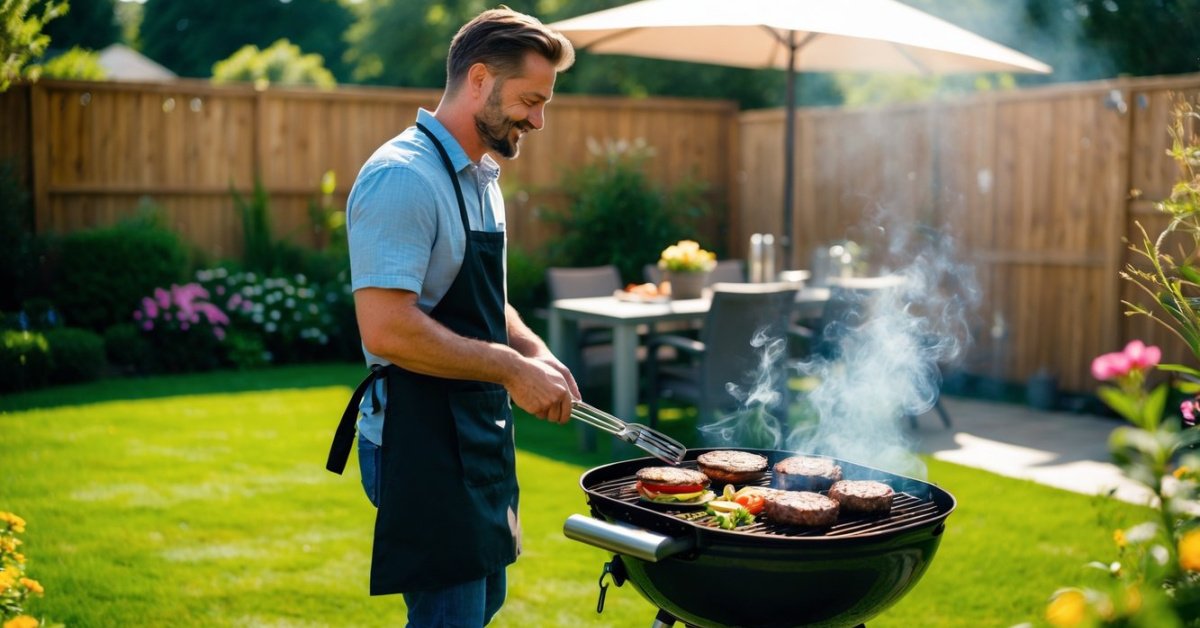
When winter rolls in and temperatures drop, I don’t let the cold stop me from firing up the grill. There’s something special about grilling in chilly weather, but I’ve learned it comes with its own set of challenges—especially when it comes to getting the temperature just right.
Choosing the right thermometer makes all the difference between perfectly cooked food and a grilling disaster. Not all thermometers are built to handle the cold, so it’s important to know what to look for before you start cooking outside in freezing temps.
Why Accurate Temperature Matters When Grilling in Cold Climates
Hitting the right internal temperature guarantees safe, juicy food even when cold air pulls heat from the grill. Undercooking risks food safety with meats like chicken, pork, and sausage—examples that USDA guidelines say must reach at least 165°F, 145°F, and 160°F. Overcooking dries out brisket, ribs, and steak, especially in below-freezing air when grill temps can swing unexpectedly.
Sharp temperature changes are common when cold winds hit an open lid. Fluctuating readings make it tough to judge doneness by feel. I’ve seen digital thermometers freeze up or lag behind actual temps, making reliable probes critical. Accurate readings let me time flips, adjust vents, and avoid guessing games, so every bite’s as tender in January as it is in July.
Monitoring temperature helps manage fuel too, since cold air increases charcoal or propane use. Inconsistent readings can waste extra fuel or cause stalls, throwing off slow cooks like pork shoulder. Trusting my thermometer, I can cook quickly, conserve resources, and keep the BBQ experience predictable in any weather.
Key Features to Look for in a Grill Thermometer
Reliable grill thermometers make winter grilling straightforward, even when temperatures drop. My years of BBQ experience highlighted several key features that set apart thermometers made for cold climates.
Weather Resistance and Durability
Solid weather resistance in a thermometer keeps it working during snow, sleet, and icy wind. I prefer probes and housings made from stainless steel or heavy-duty plastics because they resist rust and cracking. Rubber or silicone seals help block moisture from ruining electronics. Models rated IP65 or higher keep working after heavy rain or occasional snowmelt.
Probe Accuracy and Response Time
Accurate and fast probes make grilling in cold climates less stressful. I always check for probes with tolerances of ±1.8°F (±1°C) or better, based on calibration specs from manufacturers like ThermoWorks or Inkbird. Thermometers boasting response times of three to five seconds give real-time feedback that helps manage fluctuating grill temps before meat overcooks.
Display Readability in Low Temperatures
Large, backlit displays keep readings visible in early darkness or when gloves are necessary. I gravitate toward LCD screens, as they outperform basic digital indicators in subfreezing temps. Antifog coatings or displays rated for operation below 32°F make it easy to read temps fast, even if I have to open the lid often.
Wireless and Remote Monitoring Capabilities
Wireless or Bluetooth capability lets me track temps from inside, especially if wind chills bite. Remote monitoring ranges of 100 ft. or more are standard in quality models like MEATER or ThermoPro. Multiple probe channels and dedicated apps streamline multitasking, letting me relax by the fire or handle side dishes while my brisket finishes slow-cooking.
Types of Thermometers Best Suited for Cold-Weather Grilling
When I’m grilling in freezing temps, I rely on thermometers made for the cold. They keep my BBQ steady, no matter how harsh the wind or snow.
Instant-Read vs. Leave-In Thermometers
Instant-read thermometers get me quick, accurate readings when I need to check doneness fast. In cold weather, I use digital models with a fast response time of three to five seconds so I don’t hold the grill lid open longer than needed. Popular examples: ThermoWorks Thermapen ONE, Lavatools Javelin PRO.
Leave-in thermometers let me monitor temps without reopening the grill. I prefer wireless probe models that transmit real-time temps from inside the meat or grill chamber, avoiding heat loss. Examples: ThermoWorks Smoke X, MEATER Plus.
Smart Thermometers and App Integration
Smart thermometers add convenience to winter BBQ. I track meat temps from my phone, staying inside where it’s warm. Leading models like FireBoard 2 and Weber Connect send alerts, let me set custom temps, and store cook data for future reference. These thermometers feature Bluetooth or Wi-Fi connections that stay stable even in single-digit weather. They often include multiple probes for tracking several cuts at once, making them ideal for bigger cooks.
Tips for Using Thermometers Effectively in Cold Conditions
Using thermometers outdoors in cold weather takes a few extra steps to guarantee accuracy and reliability. Over the years, I’ve handled dozens of models in subfreezing temps, and these simple tweaks help my BBQ results stay top-notch, no matter how cold it gets.
Calibration and Maintenance
Regular calibration keeps readings consistent in winter. I check my thermometers frequently by testing them in ice water (32°F/0°C) before grilling, especially when temps dip below freezing. Dirt or moisture on the probe can cause error, so I always wipe the probe thoroughly after each use. Storage inside a warm, dry spot prevents condensation from affecting sensors and display screens, which I’ve found to be a common problem after grilling on snow-covered patios.
Battery Performance in Low Temperatures
Cold weather drains batteries quickly, affecting digital thermometer performance. I use lithium batteries since they function better than alkaline options below 32°F/0°C. I keep spare batteries in my coat pocket for easy swaps mid-cook; cold hands and dead batteries never improve BBQ. If I use a wireless or Bluetooth thermometer, I double-check battery levels before starting and keep the receiver indoors as much as possible to minimize exposure to the cold.
Top Recommended Grill Thermometers for Cold Climates
I’ve tested dozens of thermometers over several dozen Texas winters and icy Midwest holidays. These models excel in freezing weather, maintain precision, and help any griller master outdoor cooking year-round.
Top cold weather grill thermometer picks:
- ThermoWorks Thermapen ONE
I rely on the Thermapen ONE for fast, accurate instant readings. Its ±0.5°F margin of error and under 2-second speed hold true even at 10°F. The large rotating backlit display and waterproof casing let me use it confidently in frost and snow.
- MEATER Plus
I recommend the MEATER Plus wireless probe for hands-off cooks in frigid temps. The Bluetooth range hits up to 165 ft outside and transmits accurate temps through closed lids. Smart alerts and app tracking make it perfect for keeping warm indoors while monitoring brisket or roasts.
- ThermoWorks Signals
For multi-protein cooks or longer BBQs, I trust the Signals. It handles four probes at once and syncs with Wi-Fi or Bluetooth. The backlit LCD and rugged waterproof body operate at sub-0°F, and the rechargeable battery works without a hitch in icy weather.
- Weber iGrill 2
My go-to leave-in model for casual cooks, the iGrill 2 scores with a backlit LCD, app-based remote tracking, and reliable probes even around 0°F. I often use it for pork butts and ribs when it’s too cold to keep checking by hand.
- ThermoPro TP20
When I’m teaching new grillers or want a budget-friendly wireless model, I grab the ThermoPro TP20. Dual probes, an easy-to-read screen, and a strong signal up to 300 ft stand up to outdoor use. It runs well on lithium batteries in freezing temps.
| Thermometer | Type | Accuracy | Response Time | Connectivity | Proven Cold-weather Use |
|---|---|---|---|---|---|
| ThermoWorks Thermapen ONE | Instant-read | ±0.5°F | <2 sec | None | Waterproof, <10°F tested |
| MEATER Plus | Wireless probe | ±1°F | 3 sec | Bluetooth/app | 0°F wireless monitoring |
| ThermoWorks Signals | Leave-in | ±1.8°F | 3-5 sec | Wi-Fi/Bluetooth | Sub-0°F, 4-probe support |
| Weber iGrill 2 | Leave-in | ±1.8°F | 3 sec | Bluetooth/app | 0°F reliable probe |
| ThermoPro TP20 | Leave-in | ±1.8°F | 4 sec | Wireless remote | Lithium battery tested |
Each thermometer in this list performs reliably in extreme cold, delivers fast readings, and enables hands-off tracking—qualities I value most for grilling regardless of temperature.
Conclusion
Grilling in the cold can be a real adventure but with the right thermometer it’s a whole lot easier. I’ve learned that a reliable tool not only takes the guesswork out of winter BBQs but also helps me enjoy the process without worrying about undercooked or overdone food.
No matter how low the temperature drops I know I can trust my thermometer to deliver accurate results every time. With a little preparation and the right gear I’m always ready to fire up the grill and serve up something delicious—even when there’s snow on the ground.


