
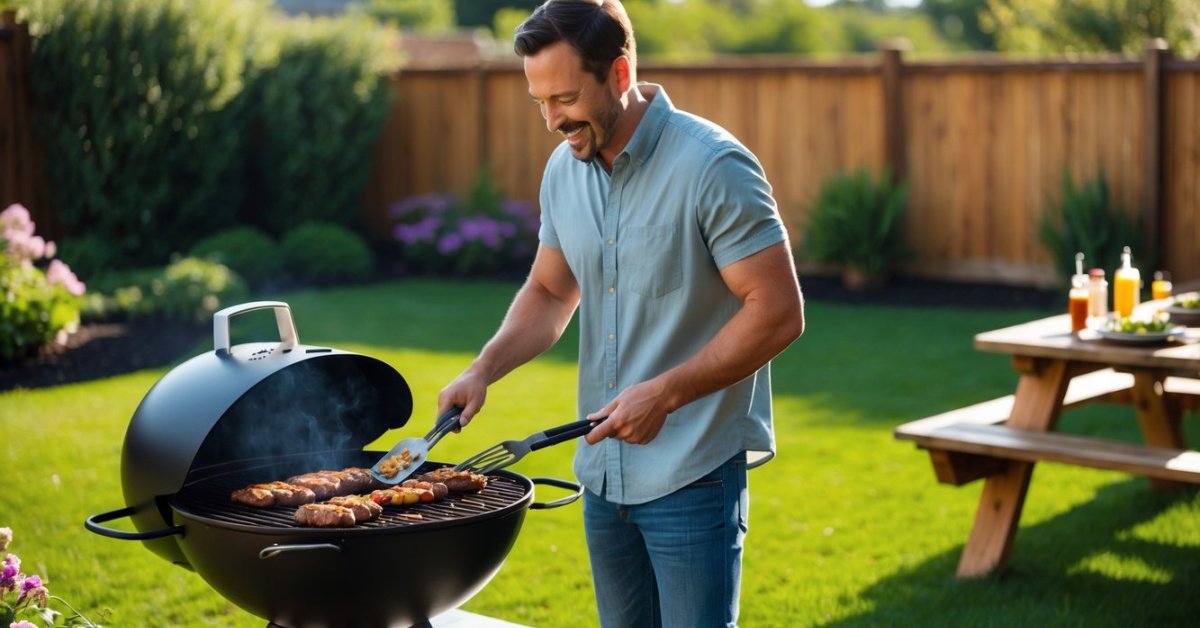
When I’m grilling poultry I want to make sure every bite is juicy and safe to eat. There’s nothing worse than serving up a beautiful meal only to find out the chicken’s undercooked or dried out. That’s where a good thermometer comes in—it takes the guesswork out of grilling and gives me confidence every time.
With so many thermometer options out there it can feel overwhelming to pick the right one. I used to wonder if I really needed a fancy gadget or if a basic tool would do the trick. If you’re like me and want perfect results without the stress you’re in the right place.
Why Thermometer Choice Matters for Grilling Poultry
Choosing the right thermometer for grilling poultry ensures meat reaches the safe internal temperature without overcooking. Poultry like chicken breasts, turkey legs, and Cornish hens dries out or remains unsafe if not checked accurately. I’ve learned that USDA guidelines list 165°F as the safe target for most poultry, making thermometer accuracy essential for every batch.
Thermometer type affects grilling workflow. Instant-read thermometers, digital probes, and wireless models offer different read speeds and usability. Instant-read tools, for example, quickly double-check smaller chicken parts, while probe thermometers stay in thick turkey breasts or whole chickens as they slow-cook on the smoker. Some thermometers provide backlit displays or app notifications, helping when I’m grilling after dark or running multiple pits at once.
Build quality impacts performance. Waterproof seals, sturdy casings, and long, sharp probes make a thermometer practical near flame, on greasy surfaces, or inside a smoky pit. I’ve had cheap thermometers melt on a busy bbq shift, so reliable materials help avoid those setbacks and inaccurate readings.
A visible temperature range specific to poultry simplifies the process. Many grilling thermometers highlight the 150–200°F zone, showing the ideal target for safe and juicy chicken without constant math. Robust calibration ensures the device stays trustworthy after dozens of cooks, preventing the guesswork that leads to dry, bland, or unsafe results.
Types of Thermometers for Grilling Poultry
Picking the right thermometer for grilling poultry changes the way I grill and always helps me serve juicy, perfectly cooked chicken. I rely on several types of thermometers for different grill setups and recipes.
Instant-Read Thermometers
Instant-read thermometers give me fast, accurate temperature checks with poultry on the grill. I use them right before pulling chicken breasts, wings, or thighs off the heat. Most digital instant-read models deliver a reading in just 3–5 seconds—a big help during busy cooks. I look for ones with an easy-to-read display and water-resistant build, since grilling gets messy. For example, the ThermoWorks Thermapen ONE and Lavatools Javelin PRO Duo top my list for their reliability and durability.
Leave-In Probe Thermometers
Leave-in probe thermometers let me monitor the temperature inside thick birds or large cuts without opening the grill lid. I insert the probe in the thickest part of the meat before starting the cook. The thermometer stays in place, alerting me with a beep or alarm as soon as the internal temp hits 165°F for poultry, meeting USDA safety guidelines. I favor models with long, heat-resistant cables and simple controls. Examples include the ThermoPro TP-17 and the Maverick ET-732, both of which stand up to frequent use and high heat.
Wireless and Smart Thermometers
Wireless and smart thermometers give me freedom away from the grill while still tracking my poultry’s progress. These devices connect via Bluetooth or Wi-Fi to my smartphone or handheld receiver, sending temperature alerts and graphs. Models like the MEATER Plus and Inkbird IBT-4XS let me keep tabs on multiple birds or cuts at once—ideal when I barbecue on weekends with friends. I value ones with strong connectivity ranges and intuitive apps for real-time monitoring.
Key Features to Consider When Choosing a Thermometer
Thermometers make grilling poultry foolproof, but only if the tool does its job right. I test dozens of models every year, and these features always separate good picks from wasted money.
Accuracy and Speed
Accuracy and speed make up the most critical feature set for poultry thermometers. I only trust models that deliver temperature readings accurate to within ±1°F, like the Thermapen ONE or Lavatools Javelin PRO Duo. Fast response times—around 2-4 seconds—help me avoid overcooked chicken, especially when flipping pieces over hot coals.
Temperature Range
Temperature range matters for more than just poultry. I select thermometers rated to handle at least 32°F to 482°F, covering chilled chicken to charred wings. Models with clear range markings for safe poultry temps, like those from ThermoPro, work best for casual grillers and experts alike.
Durability and Build Quality
Durability directly impacts lifespan and reliability. I look for stainless steel probes, sealed water-resistant bodies, and sturdy hinges for folding models. Thermometers that withstand grease, high heat, and drops, such as MEATER Plus or Maverick ET-732, last longer in the chaos of a BBQ session.
Ease of Use and Cleaning
Ease of use and cleaning streamline my workflow every grilling day. Large backlit displays let me read temps under bright Texas sun or at night. Intuitive button layouts and one-handed operation speed things up when I’m working two grills. I prefer waterproof models or those with removable probe cables to make scrubbing and sanitizing effortless after marinating messy poultry.
Tips for Using a Thermometer Effectively When Grilling Poultry
- Insert into thickest part
I push the thermometer into the thickest part of the poultry, such as the breast or thigh, since this spot heats last. Bones or grilling surfaces change readings, so I avoid contact with them.
- Clean probe before and after use
I always wipe down the thermometer probe before and after grilling, which prevents cross-contamination and preserves flavor. I use alcohol wipes or hot soapy water for a complete clean.
- Check calibration regularly
I check my thermometer’s accuracy every few cooks using the ice water or boiling water method, since even the best models drift over time. I swap out unreliable thermometers fast to keep poultry grilling precise.
- Avoid repeated piercing
I pierce poultry once or twice at most with my thermometer, since frequent poking leads to moisture loss. For large cuts like whole chickens, a single careful insertion in each section gives accurate results.
- Monitor carryover cooking
I remove poultry just before it hits 165°F since carryover heat boosts the temp several degrees after leaving the grill. I let grilled chicken rest under loosely tented foil to allow juices to redistribute.
- Read display quickly
I keep the thermometer handy and read the display fast, since keeping the grill open too long loses valuable heat and slows down cooking. Models with backlit or large screens help in low-light grilling or evening BBQs.
- Use two thermometers for crowds
I bring both an instant-read and a leave-in probe thermometer when grilling lots of poultry, like at backyard parties or my cart days. This way, I monitor multiple pieces and check any section without guesswork.
| Tip | Why It Matters |
|---|---|
| Insert into thickest part | Ensures poultry’s slowest-heating area reaches a safe temperature |
| Clean probe before and after use | Reduces risk of contamination and keeps flavors pure |
| Check calibration regularly | Maintains accurate cooking by verifying thermometer reliability |
| Avoid repeated piercing | Helps retain poultry moisture and prevents overcooking |
| Monitor carryover cooking | Prevents overcooked chicken by accounting for post-grill temperature rise |
| Read display quickly | Minimizes grill heat loss and keeps grilling efficient |
| Use two thermometers for crowds | Streamlines checking multiple pieces and improves accuracy at busy gatherings |
Recommended Thermometer Brands and Models for Grilling Poultry
ThermoWorks Thermapen ONE
I rely on the Thermapen ONE for speed and precision. It delivers readings in 1 second with an accuracy of ±0.5°F. Its waterproof body and super-bright display hold up well in outdoor grilling settings. The rotating screen gives clear readings from any angle when I’m flipping chicken quarters or checking a turkey breast.
Lavatools Javelin PRO Duo
I use the Javelin PRO Duo for quick poultry temp checks during weeknight cooks. Its large display, splash-proof build, and 2-3 second response time match well with small grills or tighter chicken thighs. The magnetic back sticks to my smoker, which saves time during busy cookouts.
ThermoPro TP-17 Dual Probe
ThermoPro TP-17 helps me monitor both the grill temp and the internal temp of meat at the same time. It’s my pick for bone-in splits or rotisserie birds. The backlit LCD, simple buttons, and 716°F max readout fit the needs of both new and experienced grillers.
Maverick ET-732 Wireless
Maverick ET-732 gives me room to move around my yard while tracking chicken and turkey temps on the grill. The 300-foot wireless range is handy during large gatherings. Its dual probes mean I can check two birds or a bird and the grill temp side-by-side.
MEATER Plus
MEATER Plus runs wirelessly from my phone, making it easy to track poultry temps without lifting the lid on pellet smokers. The guided cook functions tell me exactly when to pull chicken off so it stays juicy and safe at 165°F.
Inkbird IBT-4XS Bluetooth
Inkbird IBT-4XS helps with longer cooks and multiple chicken halves using four probes. The smartphone app displays each probe’s reading, which lets me catch hot spots or undercooked pieces early. The magnetic base attaches cleanly to most grills.
| Brand & Model | Type | Accuracy | Response Time | Features |
|---|---|---|---|---|
| Thermapen ONE | Instant-Read | ±0.5°F | 1 second | Waterproof, rotating display |
| Javelin PRO Duo | Instant-Read | ±0.9°F | 2-3 seconds | Splash-proof, magnetic back |
| ThermoPro TP-17 | Dual Probe | ±1.8°F | 4-6 seconds | Backlit LCD, dual channel |
| Maverick ET-732 | Wireless Probe | ±1.8°F | 4-6 seconds | 300-foot range, two probes |
| MEATER Plus | Wireless Smart | ±1°F | 2-3 seconds | App-guided, completely wireless |
| Inkbird IBT-4XS | Bluetooth | ±2°F | 4-6 seconds | 4 probes, app monitoring |
These models combine fast, reliable readings with sturdy builds for grilling poultry outdoors. I trust these tools to keep chicken and turkey juicy, safe, and consistent across different grill types.
Conclusion
Grilling poultry should be enjoyable not stressful and the right thermometer really makes a difference. Once I found a tool that fit my needs grilling became a lot more fun and my chicken always turned out just right. If you’re tired of guessing or worrying about food safety investing in a reliable thermometer is one of the best choices you can make for your grill sessions. Happy grilling!


