
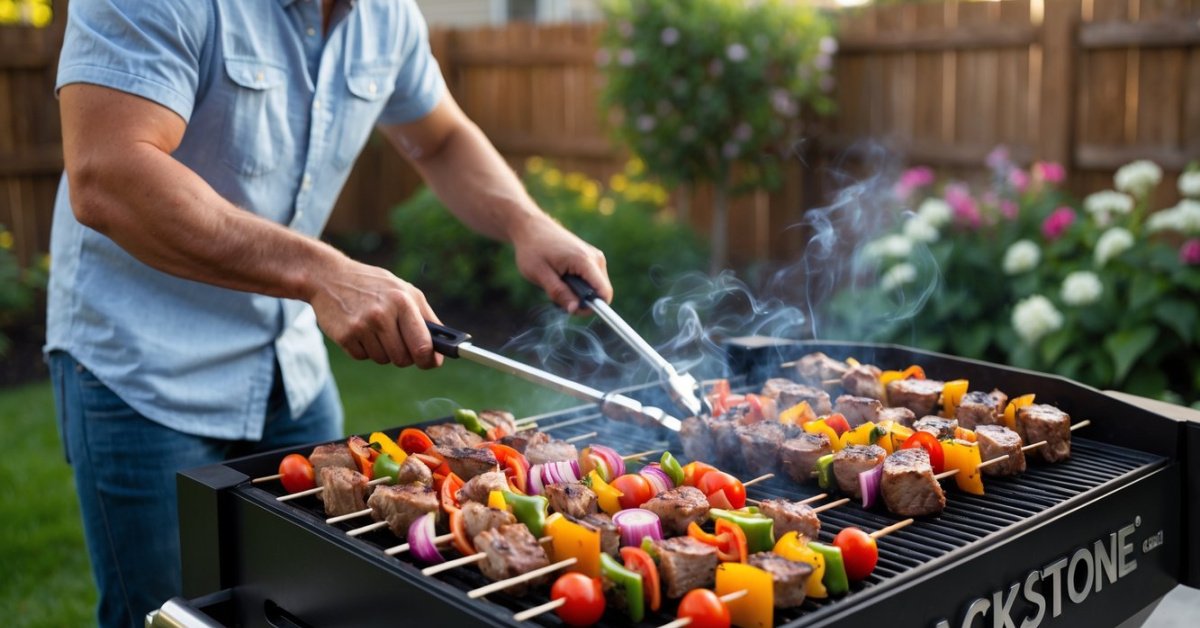
Whenever I fire up the grill I want to know my food’s cooked just right—not too raw not overdone. That’s why I always reach for an instant-read thermometer. But with so many budget options out there it’s easy to wonder if those cheaper picks really get the job done.
I’ve seen some bargain thermometers promise quick readings and accuracy for a fraction of the price of big-name brands. Still I can’t help but ask—are they actually reliable when it matters most? Before I trust my steak or chicken to a budget gadget I want to know what I’m really getting.
Understanding Instant-Read Thermometers
Instant-read thermometers give rapid temperature readings by placing the probe directly into grilled meats. These tools use thermocouple or thermistor sensors—thermocouple models like the ThermoWorks Thermapen provide nearly instant results, while thermistor versions found in budget options such as the Lavatools Javelin take a few seconds longer. I rely on these for brisket, chicken thighs, pork ribs, and more, so clear readings matter for both safety and taste.
Display screens show temperature in °F or °C, depending on your settings. Backlit screens and rotating displays feature in some pricier thermometers, while budget choices usually offer a simple LCD display. Probe length and material affect usability—longer, stainless-steel probes reach into thick cuts like bone-in ribeyes or whole chickens without burning fingers.
When grilling, accuracy shapes results every time. Basic models may advertise ±2 °F accuracy, while more advanced options claim ±0.5 °F from the National Institute of Standards and Technology (NIST)-traceable calibration specs. Battery type also matters; most use CR2032 coin cells, though some higher-end options run on AAA batteries for longer life.
I test each thermometer with ice water and boiling water to verify the temp reading—32 °F for ice baths, 212 °F for boiling water at sea level—ensuring confidence for medium-rare steaks and pulled pork. If a thermometer delivers precise results in these tests, it’s ready to handle anything from hot-and-fast sausage grilling to low-and-slow brisket.
What to Expect From Budget Models
Budget instant-read thermometers serve as accessible tools for backyard grillers wanting to check temperatures quickly. I’ve tested dozens across brisket smokes and weeknight chicken thighs, chasing that balance of value and performance.
Features and Functionality
Budget models often include simple LCD displays, compact plastic bodies, and thin stainless probes. I usually see basic on/off switches and sometimes backlights for checking steak temps after dark. Some provide Celsius and Fahrenheit switchability, which I find useful during recipe testing. In most cases, these thermometers use thermistor sensors, which deliver results in about 5 to 8 seconds—plenty fast for monitoring thinner cuts like pork chops or burgers. Probe lengths typically run 3 to 4 inches, letting me monitor temperature while keeping my hands clear of flare-ups. Battery life on budget units commonly stretches for months with moderate grilling.
Common Limitations
Budget instant-read thermometers often have ±2 °F accuracy claims, though my ice water and boiling water tests show true variance can be 3 °F or more. Readout speed drops noticeably when I check thicker proteins—pork butt or whole chickens. Waterproofing is rare, so splatter or rain exposure may affect internal circuits. Plastics feel light and sometimes flex with repeated use. I sometimes see screens with limited viewing angles, making them hard to read in bright outdoor light. Probe tips on cheaper models tend to be slightly thicker, leaving more noticeable punctures in delicate foods like fish. No app connectivity, limited calibration options, and basic interface controls are the norm with these budget picks.
Testing Reliability: Accuracy and Speed
Testing accuracy and speed matters most when I’m grilling, since these factors decide whether my brisket’s perfect or not. I always run budget instant-read thermometers through tough tests before using them for real BBQ.
Comparison to Premium Thermometers
Comparing budget thermometers to premium models gives a clear look at their performance gaps. Premium thermometers like the ThermoWorks Thermapen ONE or Lavatools Javelin PRO claim ±0.5 °F accuracy and deliver readings in 2–3 seconds. Budget options like the Taylor 1470FS or CDN DTQ450X report accuracy of ±2 °F and usually take 5–8 seconds to lock a temp.
| Feature | Budget Thermometer | Premium Thermometer |
|---|---|---|
| Claimed Accuracy | ±2 °F | ±0.5 °F |
| Readout Speed | 5–8 seconds | 2–3 seconds |
| Probe Thickness | 2.5 mm (wider) | 1.5 mm (thinner) |
| Build Quality | Basic ABS plastic | Reinforced, waterproof |
| Calibration Options | None or limited | Adjustable/calibratable |
I’ve found that even modest price jumps—moving from a $10 model to a $30 one—often tighten accuracy and trim a couple seconds off the response time. Consistency across repeated checks varies more on cheaper models, with temp swings up to 4 °F when testing the same spot.
Real-World Grilling Scenarios
Testing in real grilling conditions exposes differences that lab checks don’t catch. When I’m checking a thick brisket or a tray of chicken thighs, speed matters. Premium thermometers show temps nearly instantly so the grill lid stays shut and heat doesn’t escape. Budget models I’ve tried sometimes need a few extra seconds, which can let valuable heat out if I’m temping a big rack of ribs or a brisket point.
Thin foods like burgers and sausages show another challenge. Thicker budget probes can tear through tender protein or let juices escape. In blind tests with friends on my backyard pit, I saw budget thermometers register temps that were off by 2–4 °F, sometimes finishing a cut well before or after actual doneness.
Extreme temps or saucy racks sometimes overwhelm cheaper thermometers, causing stalls or reading errors. Premium models keep going even under heavy use, while budget versions are more likely to lag or need fresh batteries.
Testing accuracy and speed isn’t just a matter of specs—it’s about how each thermometer handles the chaos of a hot grill and big cookout. I rely on consistent, quick performance much more than small price differences.
Durability and Build Quality Concerns
Every time I pick up a budget instant-read thermometer on my grill station, I notice shortcuts in design and construction. Plastic cases, thin probe shafts, and light batteries make cheap models lighter in my hand, but rarely sturdier over time. Dropping these thermometers—even once on concrete or tile—usually means I’m dealing with a cracked case, loose probe, or display glitches.
After several months of testing basic models on briskets, steaks, and chicken thighs, I see specific patterns:
- Plastic Housings
Most budget thermometers use injection-molded plastic for their outer shell. Over repeated high-heat grill use and quick temperature swings from room temp to sizzling meat, cracking and warping happen quickly, especially near battery doors or probe inserts.
- Probe Weak Points
Inexpensive stainless probes often bend after pushing into thicker proteins or resting on grill grates. Mechanisms inside the probe-hinge become loose over time, so the probe doesn’t lock in place or align properly with the display, making meat temp checks frustrating.
- Moisture Vulnerability
Water resistance is minimal on most models under $20—splashing sauce, rinsing under running water, or catching light rain at an outdoor cookout often leads to foggy LCDs or full failure. Few feature silicone gaskets to keep electronics safe inside.
- Button and Switch Fragility
I’ve seen multiple on/off switches stop responding after a handful of greasy uses, especially those with soft plastic buttons rather than tactile clickers. When grill smoke, fat, and sauce work their way inside, many displays fade or “ghost” digits permanently.
- Battery Access and Lifespan
Cheap battery doors rely on friction or light snap locks. With repeated opening, tabs snap off or plastic warps, causing batteries to lose contact and thermometers to shut down unexpectedly during checks.
I trust premium thermometers for consistent, season-long performance, because they feature reinforced hinges, IP-rated water protection, stainless steel housing, and robust button panels. Budget models rarely survive a full Texas grilling season intact, especially with frequent backyard sessions and road trips. If you need a backup or spare for quick cooks, they’ll work for a month or two. For regular grilling or barbecue competitions, investing in proven durability saves time, meat, and frustration every time.
Practical Tips for Choosing a Budget Thermometer
- Check Accuracy Claims with Real Food Tests
I always look for thermometers that list accuracy within ±2 °F on the spec sheet. If I see wild swings when checking brisket or chicken, I mark that as a red flag. I verify accuracy with both ice water and boiling water tests before trusting it with steaks or ribs.
- Prioritize Fast Readout Time
I prefer models that give consistent readings in 5 to 8 seconds. Slow models let out too much grill heat and make it harder to nail a perfect doneness. For items like pork chops or burger patties, that speed difference means juicier results every time.
- Inspect Build Quality Up Close
I check the thermometer’s plastic housing for seams or weak flex points, especially near the battery door. Thin stainless steel probes are less likely to leave big holes in tender cuts like chicken breasts. If I see flimsy buttons or loose joints, I skip that model for daily grilling use.
- Test Display in Sunlight and at Night
Clear, large LCD screens help me read temps without guessing—especially during evening BBQs or bright outdoor cookouts. A backlit display gives me flexibility from brunch smoke sessions to nightly brisket wraps. I pass on thermometers with glare-heavy or dim screens.
- Choose Water Resistance for Outdoor Cooks
Grilling exposes thermometers to grease, rain, and steam. I favor IP65 or similar water resistance ratings when possible. Even basic splash protection keeps displays and internals working after unexpected drips or rainy sessions.
- Check Ergonomics for Repeated Use
A comfortable grip means I can temp-test a dozen ribs or twenty burgers without slipping. I avoid blocky or sharp-edged thermometers, since these make long cook sessions annoying. A folding probe design also helps fit the tool into my apron or gear bag.
- Look for Simple Calibration Options
Some budget thermometers let me recalibrate after a season of hard use. Accessible reset functions extend the accuracy lifespan, which matters when I’m using one thermometer week after week.
- Compare Battery Access and Life
Long battery life means fewer inconvenient swaps in the middle of high-heat smokes. I pick models with easy-to-open battery compartments (ideally with a coin or tool) and stable covers that don’t pop off during a busy grill.
| Feature | Budget Model Expectation | What I Do/Test |
|---|---|---|
| Accuracy | ±2 °F, sometimes off by 3 °F | Ice/boil water check |
| Readout speed | 5–8 seconds | Time readings |
| Display | Basic LCD, small digits | Test in sunlight/night |
| Build quality | Plastic, thin steel probe | Flex/gap inspection |
| Water resistance | Rare, sometimes splashproof | Splash test |
| Calibration | Sometimes manual | Look for reset button |
| Battery life | Basic coin/AAA, weak doors | Check battery ease |
I always weigh these features against price. Practical, consistent performance matters more to me than extra bells and whistles, especially when I’m aiming for that perfect slice of brisket or smoky grilled chicken.
Conclusion
After putting so many budget instant-read thermometers through their paces I’ve learned that they can get the job done for casual grilling but they just don’t match the speed or reliability of premium models. If you’re grilling occasionally and don’t mind double-checking temps or waiting a few extra seconds a budget pick might be enough.
But if you care about nailing that perfect doneness every time or grill often it’s worth spending a little more for a thermometer you can trust. For me the peace of mind and consistent results are well worth it.


