
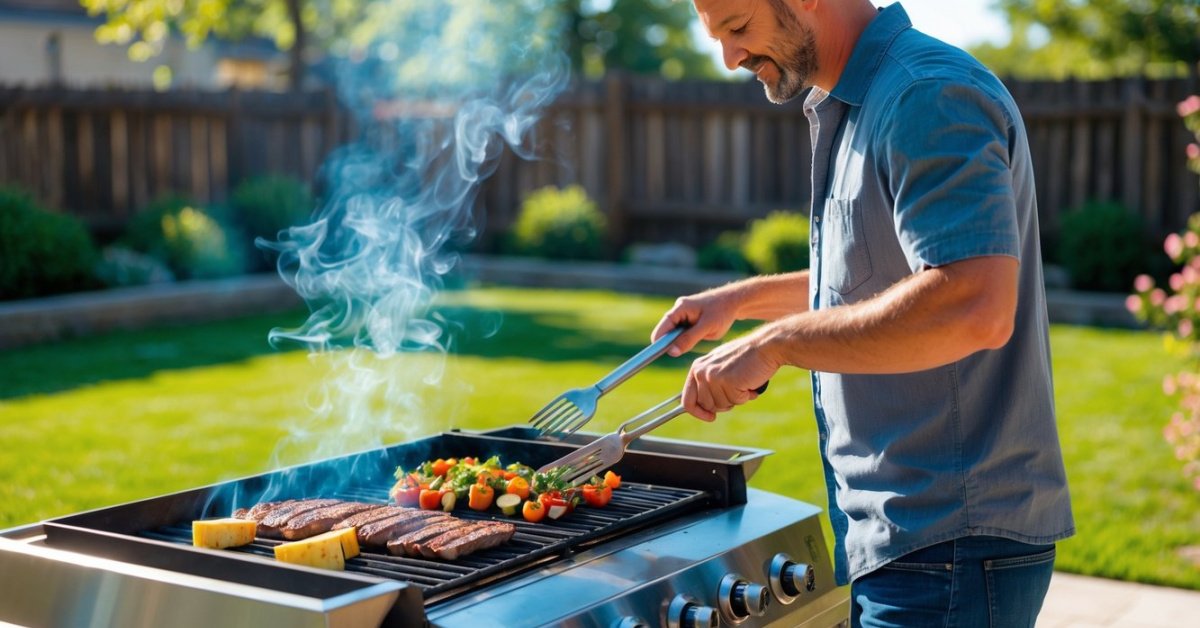
When I fire up my gas grill for a backyard cookout I want every steak and burger to turn out just right. There’s nothing worse than guessing if the food’s done only to find it overcooked or still raw in the middle. That’s where a good thermometer becomes my secret weapon.
I’ve learned that using a thermometer takes the guesswork out of grilling and helps me serve up meals with confidence. It’s a simple tool but knowing how to use it with a gas grill makes all the difference. If you want to wow your friends and family with perfectly cooked food every time you’re in the right place.
Understanding the Importance of Grilling Temperature
Grilling temperature control decides the outcome of every cut on the grates. Consistent results depend on hitting the right heat for each protein—chicken, ribs, brisket, and even vegetables. Every grill cooks a bit differently, so thermometers take out the mystery you’d otherwise fight using only sight or timing.
Grilling at the wrong temperature leads to dry chicken, overcooked pork, or underdone burgers. I use thermometers every single session because only internal temperature gives absolute doneness. For USDA-recommended safe internal temperatures, steak gets 145°F, chicken gets 165°F, and ground meat hits at least 160°F [source: USDA]. These numbers give clear targets—no guesswork.
Understanding your grill’s surface temperature matters too; I test my grates’ heat zones with a surface thermometer before lining up the food. Even top-end gas grills have hot and cool spots—pre-checking puts you in control. Accurate grilling temperature means juicier results and happier eaters, and that’s what every backyard chef aims for.
Choosing the Right Thermometer for a Gas Grill
Finding the right thermometer keeps grilling fun and takes the guesswork out of every steak or burger. I’ve tried dozens of models at my old Texas food cart and in my backyard, and the best choices combine accuracy with quick readings.
Types of Thermometers
Cookers like me usually pick from these four types:
- Instant-read thermometers offer quick internal temperature checks for steaks, chicken, and burgers, usually in under 5 seconds. Brands like ThermoWorks Thermapen and Lavatools Javelin top my list for speed and precision.
- Leave-in probe thermometers track meat temps during longer cooks, such as briskets or ribs, without opening the grill. Most sets use a probe and a wired or wireless display for hands-free monitoring.
- Dual-probe thermometers let me measure grill surface temps along with meat temp at the same time—great for offset cooking zones.
- Infrared thermometers check grill surface temperatures fast, helping me find hot and cool spots before the meat hits the grates.
Key Features to Look For
Features matter for reliable and enjoyable grilling:
- Response time: Quick readings avoid overcooking; most top models deliver results under 5 seconds.
- Accuracy: Look for ±1°F (±0.5°C) accuracy, confirmed by sources like Consumer Reports and America’s Test Kitchen.
- Durability: Waterproof and high-heat-safe models last longer at the grill, especially for regular use outdoors.
- Readability: Bright digital displays, backlights, and large digits help me see temperatures in all lighting.
- Probe length: A probe over 4 inches keeps my hands safe and reaches the thickest cuts.
- Connectivity: Bluetooth or Wi-Fi lets me monitor temps from my phone—useful when I’m juggling side dishes or chatting with friends.
With a reliable thermometer, grilling with a gas grill feels more rewarding and less stressful, and every meal turns out just how I like it.
Proper Placement of the Thermometer
Correct thermometer placement on a gas grill makes the difference between guesswork and precision. I’ve tested hundreds of thermometers since my Texas BBQ food cart days—proper placement transforms grilling results every time.
Identifying Hot and Cold Zones
Hot and cold zones develop even on top-end gas grills because burners heat unevenly across the grate. I check these spots first by preheating my grill for 10 minutes, then placing slices of white bread edge-to-edge across the grate. In 2 minutes, dark bread marks show the hottest zones—lighter spots reveal cooler areas.
I keep this mental grill map handy when positioning my thermometer probe. For even cooking, I insert the probe into the thickest part of the meat and set it a couple of inches from the hottest zone—never directly above an active burner. For indirect cooking, I place the thermometer on the cooler side where I’m slow-roasting ribs or brisket, away from flare-up risks.
Ensuring Accurate Readings
Accuracy depends on inserting the thermometer into the meat’s true center, not too close to fat or bone. For steaks and chops, I aim the probe horizontally into the thickest part, stopping near the center for the most reliable read. With thin proteins like burgers, I insert the probe from the side to reach the middle, avoiding surface temps that mislead.
I never press the tip against the grill grates or let it dangle in open air—both cause false spikes. During long cooks, I reposition the probe if I move the food or rotate it for even heat. For instant-read thermometers, I double-check different areas, especially when grilling large items like turkey or brisket, to confirm uniform doneness.
Getting this placement right ensures I serve up safe, perfectly cooked barbecue, every single time.
Tips for Using a Thermometer with a Gas Grill
Grilling with a thermometer puts control right in my hands, letting me cook confidently every time. These practical tips come from years spent tending a BBQ cart in Texas and countless hours trying out thermometers on my own grill.
Preheating the Grill
I always preheat my gas grill for 10-15 minutes with the lid closed before cooking. Preheating ensures the grill surface evens out, minimizes temperature swings, and sets the stage for accurate thermometer readings. If the grill isn’t hot enough, even the best meat thermometer can’t save a poor sear or uneven doneness.
Monitoring Grill Temperature
I keep an oven-safe thermometer or a grill surface probe inside the cooking chamber or on the grill grates. Monitoring helps me find hot and cool zones—essential for indirect cooking or keeping proteins, like ribs or brisket, juicy. I check the built-in lid thermometer, but I always trust my own gear since factory thermometers often run 10–30°F off the mark.
Checking Food Doneness
I insert the thermometer into the thickest part of meats, such as chicken breasts or steak cuts, avoiding bones and fat pockets. For burgers or smaller cuts, I check a couple from the batch to rule out cold spots. I look for 165°F in chicken, 160°F in burgers, and 145°F in pork, based on official USDA guidance. I back up my numbers by rechecking after two minutes, especially during long low-and-slow cooks.
Cleaning and Maintaining Your Thermometer
I always clean the probe with hot, soapy water after every use to keep it food-safe and accurate. I take care to avoid submerging digital units, and I use alcohol wipes for quick disinfecting during busy cooks. If the thermometer isn’t reading right or looks worn, I calibrate or replace it to keep performance sharp. Stores or brands often have calibration guides online, making this step straightforward for most digital thermometers.
Common Mistakes to Avoid
Missing Grill Preheat
I always preheat my gas grill for at least 10 minutes before inserting any thermometer. Inconsistent preheat leads to uneven cooking zones and inaccurate temperature readings.
Inserting Probe Incorrectly
Accurate results depend on placing the thermometer into the thickest part of the meat, like the center of a steak or the deepest spot in a chicken breast, not touching bone or fat. Off-center probing returns misleading temperatures.
Relying on Built-In Lid Thermometers
While built-in lid thermometers on gas grills give a general idea, I don’t use them for precision. They measure air temperature above the grates, not where the food cooks, creating a gap of up to 50°F from actual meat temps.
Opening Lid Too Often
Lifting the lid frequently causes rapid drops in grill temperature and prolongs cooking times. I check my thermometer quickly and keep the lid closed to retain steady heat.
Neglecting Calibration
Thermometers can drift over time. I regularly check calibration using the ice water and boiling water method, ensuring I get valid readings every cook.
Cross-Contaminating Thermometers
Every time I check chicken, pork, or beef, I sanitize the probe before testing another item. Failing to clean the probe risks spreading bacteria, especially with back-to-back checks of different proteins.
Ignoring Rest Times
I pull meats off the grill once the thermometer measures just below target temperature, letting them rest for 5-15 minutes. Ignoring rest times can lead to lower-than-expected internal temps as juices settle.
Skipping Surface Temperature Checks
I don’t assume my gas grill runs evenly. Regularly mapping hot and cool spots with an infrared thermometer or the bread test lets me position food more strategically.
Letting Probes Touch Grates
Probe tips that touch metal grates pick up much higher readings. I make sure the probe’s only in the meat for true doneness readings, not hovering above or touching grill bars.
Forgetting Maintenance
After long cooks or saucy BBQ sessions, I clean my thermometer probes thoroughly and keep batteries fresh. Missed maintenance reduces accuracy and shortens the tool’s life.
Conclusion
Grilling with a thermometer has truly changed the way I cook outdoors. It takes the stress out of wondering if the food is done and lets me focus on enjoying the process. I find that a little attention to detail goes a long way in making every meal a hit.
With the right tools and a bit of practice using them correctly you’ll find yourself grilling with more confidence and getting better results every time. Happy grilling!


